Multi-Herbicide-Tolerant GM Soybean Passes EFSA Safety Assessment
EFSA’s GMO Panel has issued a positive safety opinion on GM soybean MON 94313 for food and feed, finding it as safe as conventional and non-GM varieties for human and animal health and the environment. MON 94313 tolerates dicamba, glufosinate, 2,4-D and mesotrione. EFSA found no toxicity or allergenicity concerns, and no need for post-market monitoring. The post Multi-Herbicide-Tolerant GM Soybean Passes EFSA Safety Assessment appeared first on Seed World .
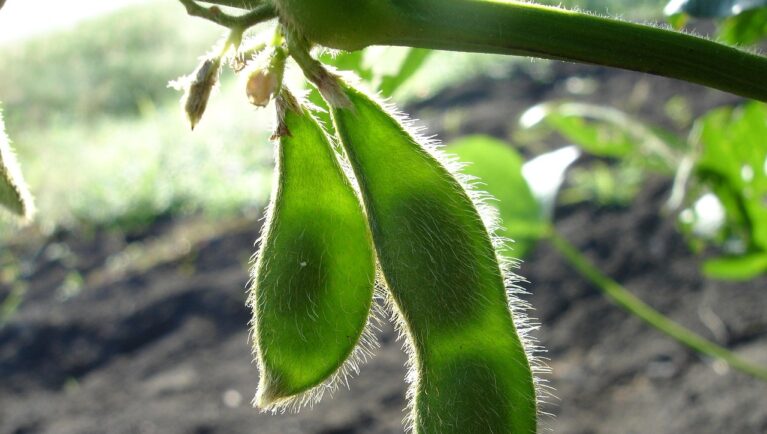
The European Food Safety Authority (EFSA) has recently issued a positive safety opinion on the genetically modified (GM) soybean MON 94313, designed for use in food and feed. This decision follows a thorough risk assessment conducted by EFSA's Panel on Genetically Modified Organisms, which concluded that MON 94313 is as safe as conventional soybeans and non-GM reference varieties in terms of human and animal health, as well as environmental impact.
MON 94313 is a multi-herbicide-tolerant GM soybean engineered to withstand four distinct herbicide groups: dicamba, glufosinate, 2,4-D, and mesotrione-based herbicides. This trait was achieved through the introduction of specific genetic modifications, including the dmo, pat, ft_t.1, and tdo expression cassettes. By tolerating these herbicides, farmers can employ more targeted and efficient weed control strategies, potentially reducing the environmental impact of traditional herbicide use.
During the risk assessment, EFSA evaluated the molecular characteristics of MON 94313 and compared its agronomic, phenotypic, and compositional profiles with those of conventional soybeans. While minor differences were observed in the levels of methionine and the protein Gly m Bd 28K, EFSA's additional evaluation determined that these differences did not pose any safety or nutritional concerns. The Panel also conducted a thorough assessment of the expressed DMO, PAT, FT_T.1, and TDO proteins, finding no evidence of toxicity or allergenicity.
In conclusion, EFSA determined that food and feed derived from MON 94313 do not raise any nutritional concerns and that post-market monitoring is not deemed necessary. The Panel also found no environmental safety concerns in the European Union in the event of accidental seed spillage or the release of processed materials. This safety assessment marks a significant milestone for the development and approval of new GM crops, as it demonstrates the potential benefits of such technologies while ensuring their safety for consumers and the environment.
The approval of MON 94313 by EFSA highlights the importance of rigorous scientific evaluation in the development and regulation of genetically modified organisms. By conducting comprehensive risk assessments, regulatory bodies like EFSA can ensure that new GM crops are safe for human consumption and the environment, paving the way for more sustainable agricultural practices. As the demand for food continues to grow, the development of herbicide-tolerant crops like MON 94313 may play a crucial role in meeting this demand while minimizing the environmental impact of agricultural activities.
In the context of global food security, the approval of GM crops like MON 94313 can contribute to increased agricultural productivity and efficiency. By enabling farmers to employ targeted weed control strategies, these crops can help reduce the reliance on traditional herbicides, which can have negative environmental impacts. Additionally, the development of multi-herbicide-tolerant GM crops can help farmers adapt to changing weed management challenges, ensuring a stable food supply in the face of evolving agricultural needs.
In summary, EFSA's positive safety opinion on the multi-herbicide-tolerant GM soybean MON 94313 represents a significant step forward in the regulatory approval of new GM crops. By ensuring the safety of these products for human and animal health, as well as the environment, EFSA's assessment supports the potential benefits of GM technology in addressing global food security challenges and promoting sustainable agricultural practices.