
More cows, more wives
It is a truth universally acknowledged, that a single man in possession of a good agricultural surplus, must be in want of a wife.
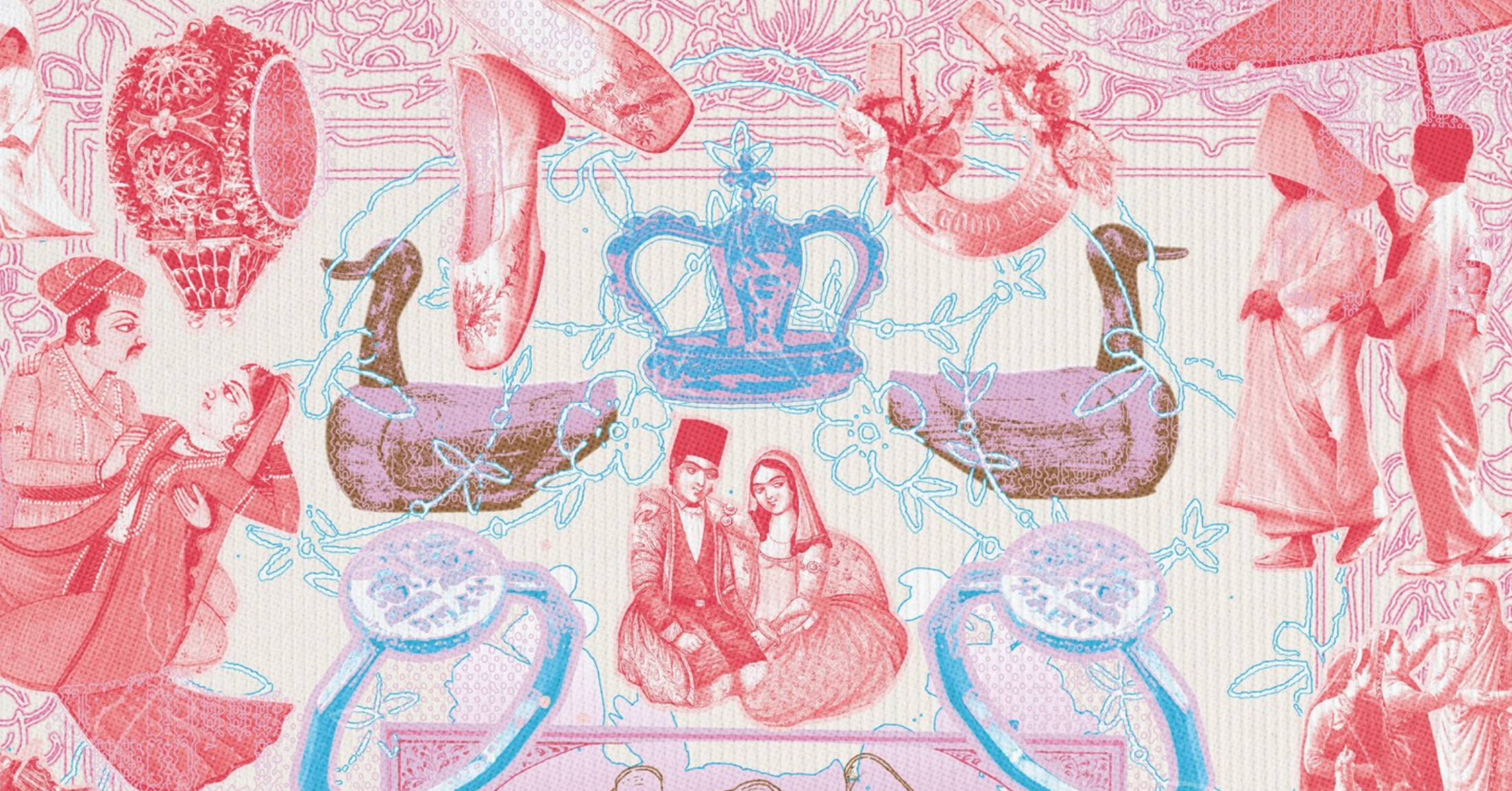
In the Upper Nile region of what is now South Sudan during the 1930s, anthropologist E.E. Evans-Pritchard encountered a peculiar custom among the Nuer people that challenged his understanding of marriage and family dynamics. While observing a Nuer woman tending to her children, he noticed her husband was not present. Instead, the man tending the cattle in the distance was not her husband but the husband of a ghost. This woman was married to a ghost, and her children were officially recognized as the children of this ghost.
The Nuer practice of ghost marriages was deeply rooted in their belief system. If a man died without leaving any heirs, his kinsmen would find him a wife to ensure his name and legacy were not lost. They believed that if a man's ghost remained unmarried, it could become restless, causing sickness and disruption among the living. The Nuer understood that a ghost's well-being depended on its name being spoken and its lineage continued through the children of its marriage.
Evans-Pritchard's observations revealed that ghost marriages were nearly as common as those between living individuals. Warfare and disease often claimed young men before they could become fathers, and high childhood mortality rates meant that even those who did have sons faced the risk of losing them. In such cases, a brother, son, or nephew would marry in the name of the deceased man, a practice known as "kindling the fire of the dead."
Like traditional marriages, these ghost unions involved the payment of bridewealth to the bride's family. However, the children born from these unions were legally considered the children of the ghost. They inherited the name and any cattle the deceased man had possessed while alive and, upon reaching adulthood, assumed the ritual privileges appropriate to their ghostly father.
This custom led to a unique cycle within Nuer families. The man who married on behalf of the ghost gained a wife and children in all but name. As a result, the family's cattle, used as bridewealth, would be employed next to secure marriages for the man's younger brothers. In some cases, this practice could result in a lineage that was more closely tied to the ghostly ancestors than to the living members of the family.
The Nuer's approach to ghost marriages highlights the importance of ancestral continuity and the belief in the ongoing influence of spirits on the lives of the living. By ensuring that the names of the deceased were carried forward through marriage and offspring, the Nuer sought to maintain harmony between the worlds of the living and the dead. This custom, though unusual from an outside perspective, was an integral part of their cultural and social fabric, reflecting their deep connection to their ancestors and the importance they placed on preserving their lineage.
Evans-Pritchard's work with the Nuer provided valuable insights into the complex interplay between culture, religion, and family dynamics. His observations challenged the anthropologist's own assumptions about marriage and family structures, demonstrating the diverse ways in which societies around the world approached the concept of inheritance and the continuation of lineage. The Nuer's practice of ghost marriages serves as a testament to the enduring power of ancestral traditions and the intricate ways in which they shape the lives of those who practice them.









