
Mojtaba Khamenei: stooge of the Revolutionary Guards
The Ayatollah-in-Hiding doesn’t call the shots
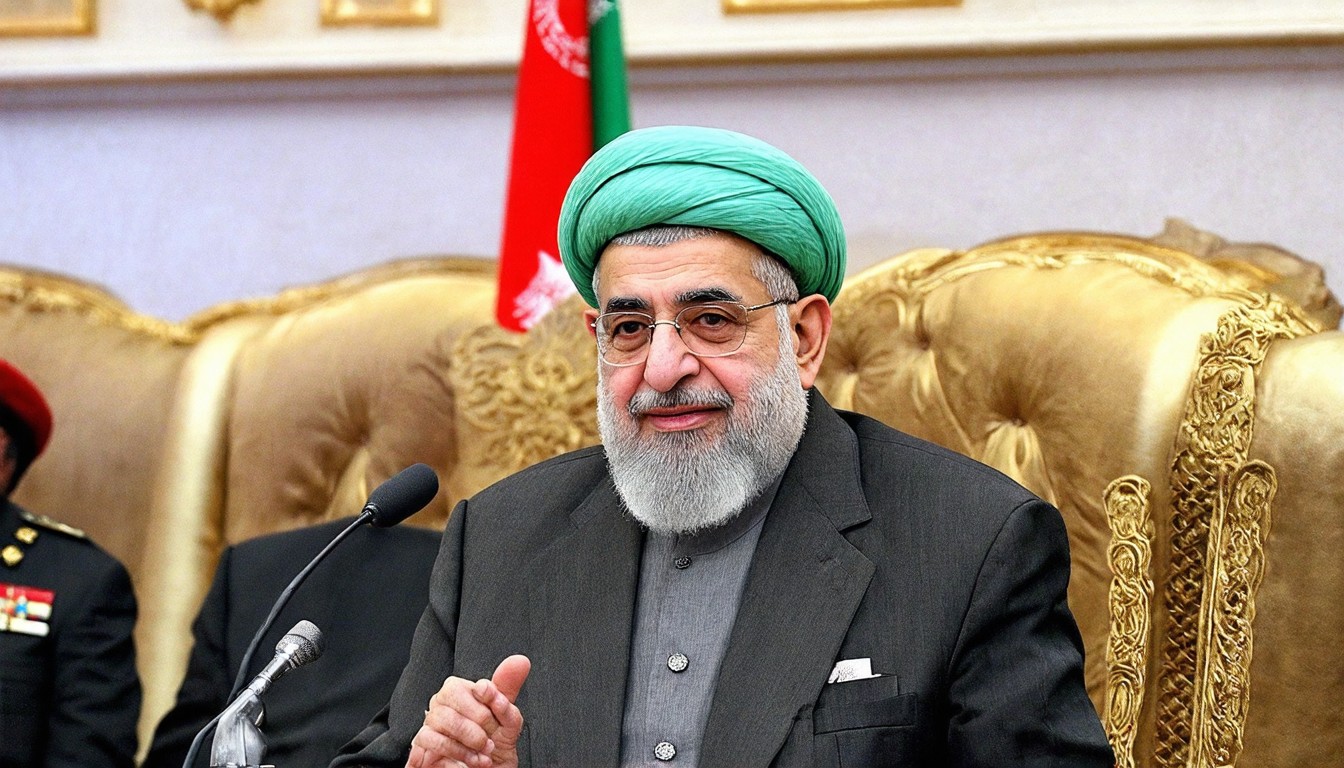
The recent surge in speculation about the role of Mojtaba Khamenei in the Islamic Republic of Iran highlights the complex dynamics of power within the country. As the war continues to shape the political landscape, some argue that the Islamic Revolutionary Guards Corps (IRGC) has consolidated its power, and Mojtaba Khamenei's succession has contributed to a more hardline stance. However, this narrative overlooks the long-standing influence of the IRGC and the trajectory of Mojtaba Khamenei's rise to prominence.
The theory suggesting that the war has made the Islamic Republic "more hardline" is rooted in the idea that the IRGC is seizing power it had long coveted. While it is true that the IRGC is taking advantage of the state of emergency to reinforce its position, this is not unprecedented. Military institutions, even in non-authoritarian states, often enjoy a heightened influence during times of conflict. The notion that the IRGC's rise to power is directly tied to the conflict itself is, however, questionable. The IRGC's dominance as a political-military conglomerate has been in the making for years, and its current prominence is closely linked to the rise of Mojtaba Khamenei.
Mojtaba Khamenei first stepped into the political spotlight in 2005 when he was accused by Mehdi Karrubi, a candidate in that year's presidential election, of interfering to ensure the success of his protégé, Mahmoud Ahmadinejad. Since then, Mojtaba's political activities have been a subject of intense controversy within Iran, particularly due to his character and the hereditary trajectory his emergence implied. The 2005 election was meant to be the culmination of the hardline faction's rise, but it also marked the beginning of Mojtaba's influence on Iranian politics.
Mojtaba Khamenei's ascent to power has been gradual, with his role as a key figure in the IRGC and his close ties to the Revolutionary Guards solidifying his position. His father, Ayatollah Khamenei, has long been a influential figure in Iranian politics, and Mojtaba's rise has been closely tied to his father's influence. The IRGC's growing power, meanwhile, has been a constant force in Iranian politics, with its military and economic reach expanding over the years.
Critics argue that the IRGC's dominance is a direct result of the war, but this overlooks the organization's long-standing influence. The IRGC has been a powerful force in Iranian politics for decades, and its current prominence is not solely a product of the conflict. Instead, it is a reflection of the organization's ability to adapt and consolidate its power over time.
The notion that the IRGC is making a bid for power that had long evaded it is, frankly, risible. While the organization is taking advantage of the state of emergency to reinforce its position, this is not an unprecedented occurrence. The IRGC's influence has been a constant in Iranian politics, and its current dominance is a result of its ability to adapt and maintain its power over the years.
In conclusion, the rise of Mojtaba Khamenei and the IRGC's growing influence is not solely a product of the war. Instead, it is a reflection of the long-standing dynamics of power within the Islamic Republic. While the conflict has undoubtedly accelerated certain processes, it is essential to recognize the underlying factors that have shaped Iranian politics for years. The IRGC's dominance and Mojtaba Khamenei's rise are not a direct result of the war, but rather a culmination of forces that have been at play for a significant period. As Iran navigates this complex landscape, understanding the historical context and underlying factors is crucial to grasping the true nature of the power struggles taking place.









