
Modelo mapea daños por heladas en maíz Brasileño 2021
Un modelo brasileño mapea el daño por heladas de 2021 en el maíz de segunda cosecha con imágenes Sentinel-2 y aprendizaje automático Random Forest. Probado en más de 700.000 hectáreas del oeste de Paraná, identificó parcelas de maíz con 96% de precisión y estimó que el 70% del área presentó daño. El flujo GEEadas apoya seguros, estimaciones y políticas climáticas. The post Modelo mapea daños por heladas en maíz Brasileño 2021 appeared first on Seed World .
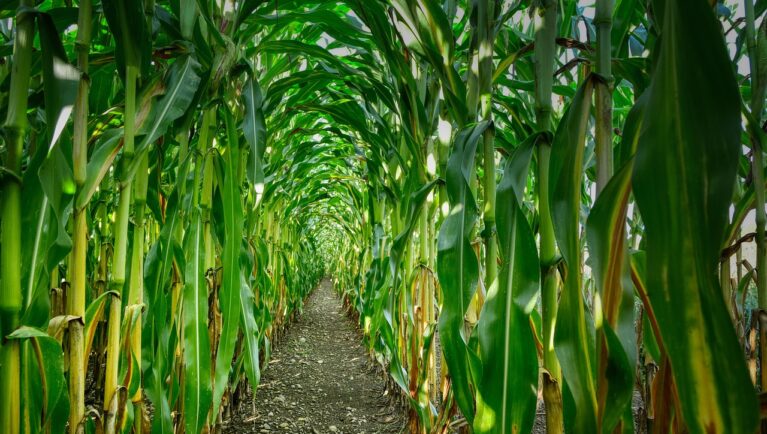
Brazilian researchers have developed a methodology for mapping frost damage in corn crops, aiding in reducing exposure to climate risk and uncertainty surrounding agricultural losses. Designed to be adaptable, the model allows users to customize input variables, making it transferable to other crops and production environments. This flexibility can facilitate more precise crop assessments and inform public policies that strengthen production chains and agricultural insurance systems. The study also highlights Brazil's important role in the global grain supply. Alongside China, the United States, India, and Argentina, Brazil is part of a small group of countries that concentrates a significant portion of the world's production of basic foods such as rice, corn, wheat, and soybeans. As climate change leads to more intense droughts, extreme rains, and frequent frosts, fluctuations in yields from these key producers can impact global supply and prices, a topic debated in international negotiations, including COP30 in Belém.
To validate the approach, the team analyzed over 700,000 hectares of second harvest corn in the western region of Paraná, focusing on the severe frost damage recorded between May and June 2021, according to a press release. The researchers combined optical satellite data from the Sentinel-2 Multispectral Instrument (medium spatial resolution) with machine learning using a Random Forest algorithm. The method achieved a 96% precision in identifying corn fields and indicated that approximately 70% of the mapped area suffered frost damage during that period. The team mapped affected areas using their approach, known as GEEadas. The findings were published in a scientific journal, providing valuable insights into the impact of climate events on agricultural production.
The development of this mapping model is significant not only for Brazil but also for the global agricultural sector. As climate change continues to pose challenges to food security, the ability to accurately assess crop damage and predict yields is crucial. By leveraging satellite imagery and advanced algorithms, researchers can help farmers, policymakers, and insurance companies make informed decisions, mitigating the risks associated with extreme weather events. The adaptability of the GEEadas model further underscores its potential to be applied to various crops and regions, offering a comprehensive solution to climate-related uncertainties in agriculture.
In the context of international negotiations, such as COP30, the importance of understanding and addressing the effects of climate change on major food-producing countries cannot be overstated. The accurate mapping of frost damage in Brazilian corn fields serves as a concrete example of how technological advancements can contribute to more resilient agricultural systems. By providing precise data on crop losses, the model can inform insurance premiums, subsidy distributions, and policy adjustments, ultimately stabilizing food markets and ensuring food security for millions of people worldwide.
In conclusion, the Brazilian research team's innovative approach to mapping frost damage in corn crops using satellite data and machine learning represents a significant leap forward in agricultural science. The GEEadas model not only aids in reducing climate risk exposure but also highlights the critical role of Brazil and other major food-producing nations in global food supply chains. As climate change continues to pose challenges, the ability to accurately assess and predict crop damage will be essential in adapting to these new realities and ensuring a stable and sustainable food supply for the future.








