
Modelling the Agriculture Sector Value Added for the Kenyan Economy
Introduction Brief Overview of the Kenyan Economy Kenya continually followed an export-oriented agriculture-based growth policy, particularly in the early years of post-independence. During this period, agriculture was the backbone of the economy, implying that the economic performance of the country relied heavily on developments in the export market, weather conditions, and the government policy of […]
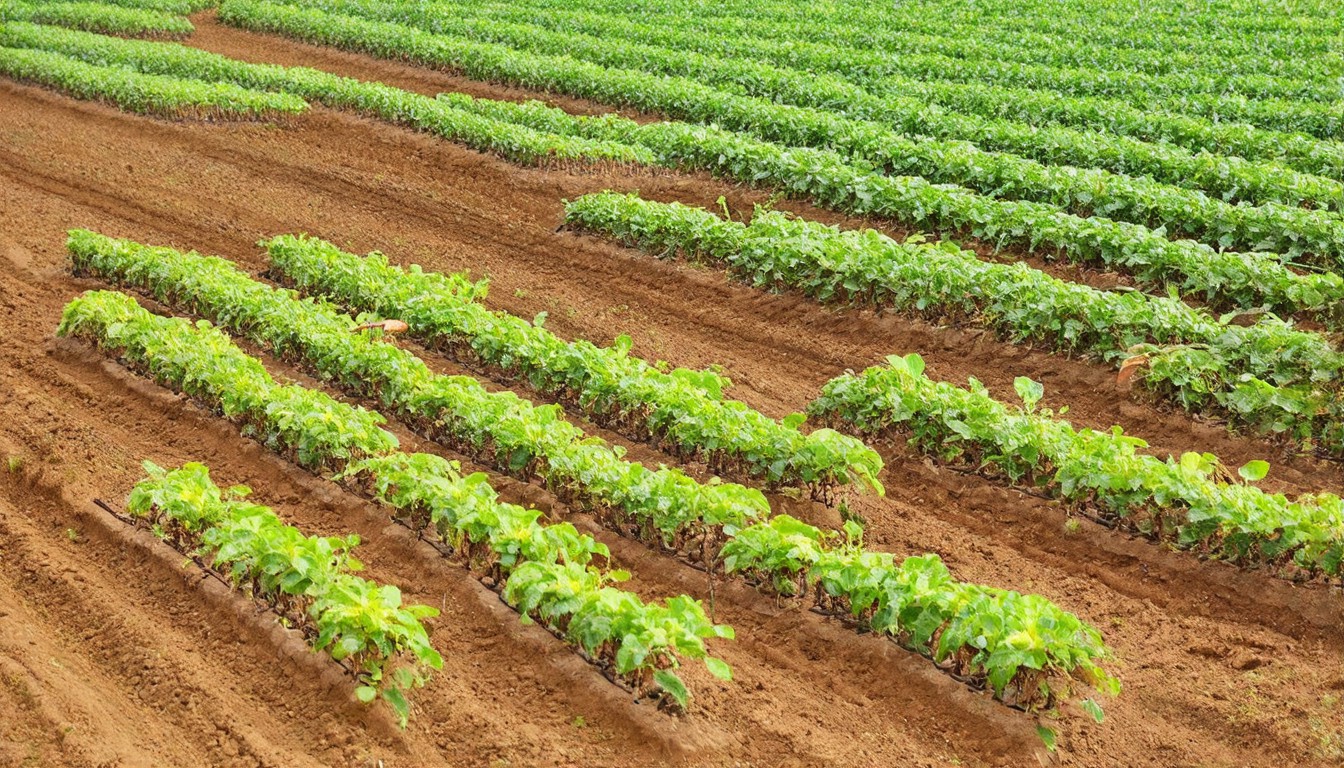
Kenya's agricultural sector has long been a cornerstone of its economy, particularly in the early years following independence. The country adopted an export-oriented agriculture-based growth policy, making the economy heavily dependent on the performance of the export market, weather conditions, and government policies of the time. In the first fifteen years of independence, Kenya's economic performance was impressive, with real GDP growing at an average of 7 percent per annum. Exports accounted for 30 percent of the GDP, and the fiscal deficit remained largely contained.
However, the global shocks of the late 1970s and the drought experienced in the Horn of Africa in the early 1980s significantly slowed down economic growth. This led to macroeconomic imbalances, including double-digit inflation and a widened fiscal deficit. In response to these challenges, the Kenyan government implemented structural adjustment programs (SAPs) between 1981 and 1989. These programs aimed to generate rapid and sustainable economic growth while ensuring macroeconomic stability. The policies focused on price decontrols, currency devaluation, and upward adjustments of smallholder producer prices, a time when agriculture was the main contributor to the GDP.
Today, Kenya's economy has evolved, with a youthful, skilled, and educated labor force driving its growth. The services industry now constitutes the largest share of the GDP (55%), followed by agriculture and manufacturing. In the 2000s, the discovery of oil reserves in northern Kenya opened new avenues for economic diversification and growth. Oil and gas exploration holds promise for Kenya, as it seeks to reduce its reliance on agriculture and stabilize its economy.
Another sector with significant potential for driving growth and job creation is the blue economy. This includes fisheries, aquaculture, and marine tourism, which have the capacity to contribute substantially to Kenya's GDP. In 2010, the Kenyan government initiated a rebasing of the National Accounts, changing the benchmark year from 2001 to 2009. These revisions aimed to provide a more accurate and up-to-date picture of the country's economic performance, particularly in sectors like agriculture and services.
The agricultural sector remains crucial for Kenya's economy, providing livelihoods for millions of people and contributing significantly to the GDP. However, the country's economic diversification efforts, including oil exploration and the blue economy, are essential for reducing vulnerability to external shocks and ensuring sustainable growth. As Kenya continues to develop its agricultural and non-agricultural sectors, it must balance the need for economic stability with the potential for long-term development and prosperity.








