'MLA Smelled Water, Refused To Drink': 1,000+ Fall Ill In Sushilpura As Sewage Mixes With Drinking Supply
A sewer line allegedly damaged during road construction a month ago has been leaking wastewater into the drinking water supply ever since.
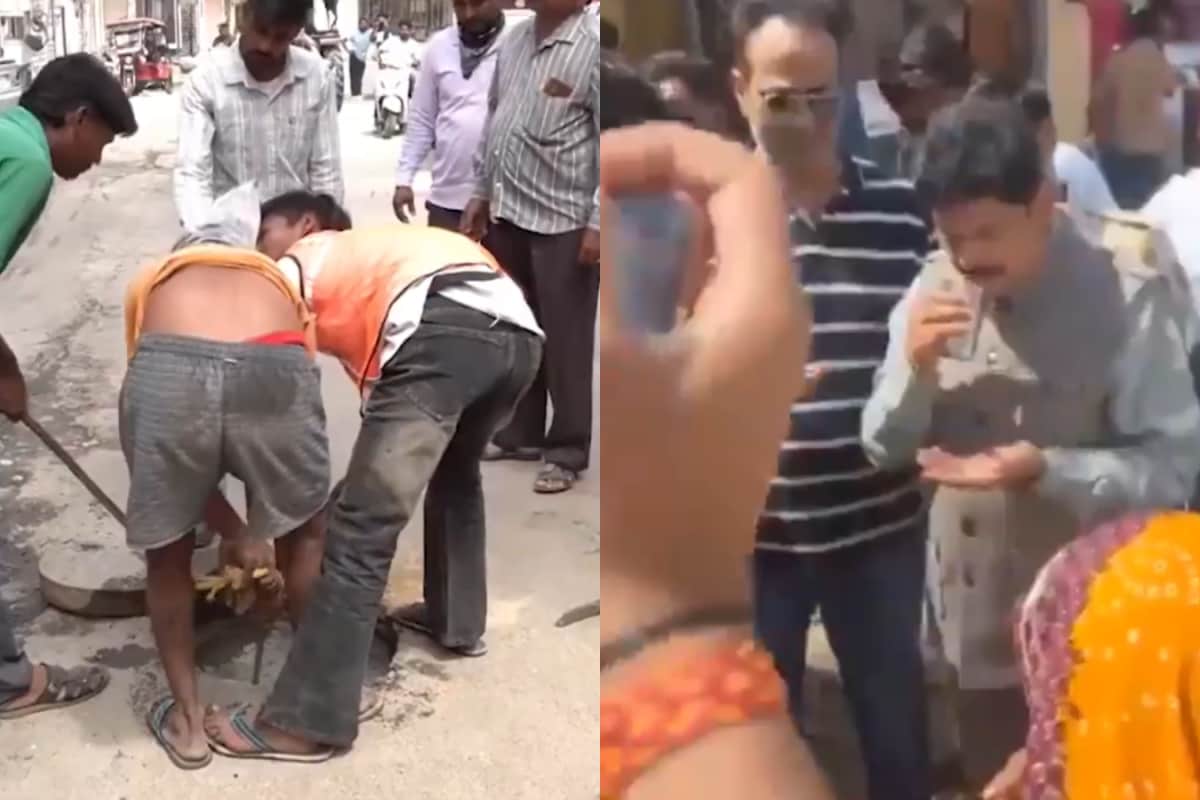
In the densely populated Sushilpura neighborhood of a bustling Indian city, a public health crisis has erupted as over 1,000 residents have fallen ill due to contaminated drinking water. The source of the contamination, a sewer line allegedly damaged during road construction a month ago, has been leaking wastewater into the community's water supply ever since. As the situation unfolds, residents are grappling with the consequences of a seemingly minor construction project that has spiraled into a health emergency.
The story began when the city's municipal authorities decided to undertake a road expansion project in Sushilpura. The construction work, which was supposed to improve connectivity and infrastructure, inadvertently led to the rupture of a nearby sewer line. The damage was initially overlooked, and the authorities assumed that the issue would be resolved quickly. However, as days turned into weeks, the seepage of wastewater into the drinking water supply became increasingly evident.
Residents of Sushilpura first noticed the problem when they detected an unpleasant odor emanating from their taps. Initially, they dismissed it as a temporary issue, but as the smell persisted, they began to suspect that something was amiss with their water supply. Many families reported experiencing nausea, diarrhea, and stomach cramps after consuming the water. Over time, the number of affected individuals grew, and the community's health deteriorated rapidly.
The local health department was alerted to the situation, and after conducting tests, they confirmed that the water supply was indeed contaminated with sewage. The authorities quickly set up temporary water tanks and advised residents to avoid using the contaminated water for drinking, cooking, or bathing. However, the crisis deepened as the number of ill individuals surpassed 1,000, straining the already overwhelmed healthcare system.
The residents of Sushilpura are now facing a daunting battle to protect their health and demand accountability from the authorities. Many have taken to the streets, demanding immediate action to fix the sewer line and restore clean water to their homes. The community's frustration is palpable, as they feel betrayed by the very authorities tasked with ensuring their safety and well-being.
The city's municipal corporation has acknowledged the issue and promised to expedite the repair of the damaged sewer line. They have also assured the public that they are working around the clock to ensure that clean water is restored to the affected area. However, the residents remain skeptical, having witnessed the slow response and lack of transparency from the authorities in the past.
This crisis in Sushilpura highlights the critical need for proper infrastructure management and regular maintenance of urban utilities. The incident serves as a stark reminder that even minor construction projects can have severe consequences if not executed with care and attention to detail. The community's plight underscores the importance of prioritizing public health and ensuring that infrastructure development does not come at the cost of residents' well-being.
As the situation unfolds, the residents of Sushilpura are left to grapple with the aftermath of a construction project gone awry. The community's struggle for clean water and their demand for accountability have become a rallying cry for change, urging the authorities to take a closer look at their infrastructure management practices and prioritize the health and safety of their citizens. The crisis in Sushilpura serves as a stark warning that the consequences of negligence in urban planning can be devastating, and it is up to the authorities to learn from this experience and prevent similar incidents from occurring in the future.