
Missile Alert Phishing Exploits Iran-US-Israel Conflict for Microsoft Logins
New Phishing scam uses fake missile alerts and the ongoing conflict involving Iran to target users with QR codes and fake government emails to steal Microsoft passwords.
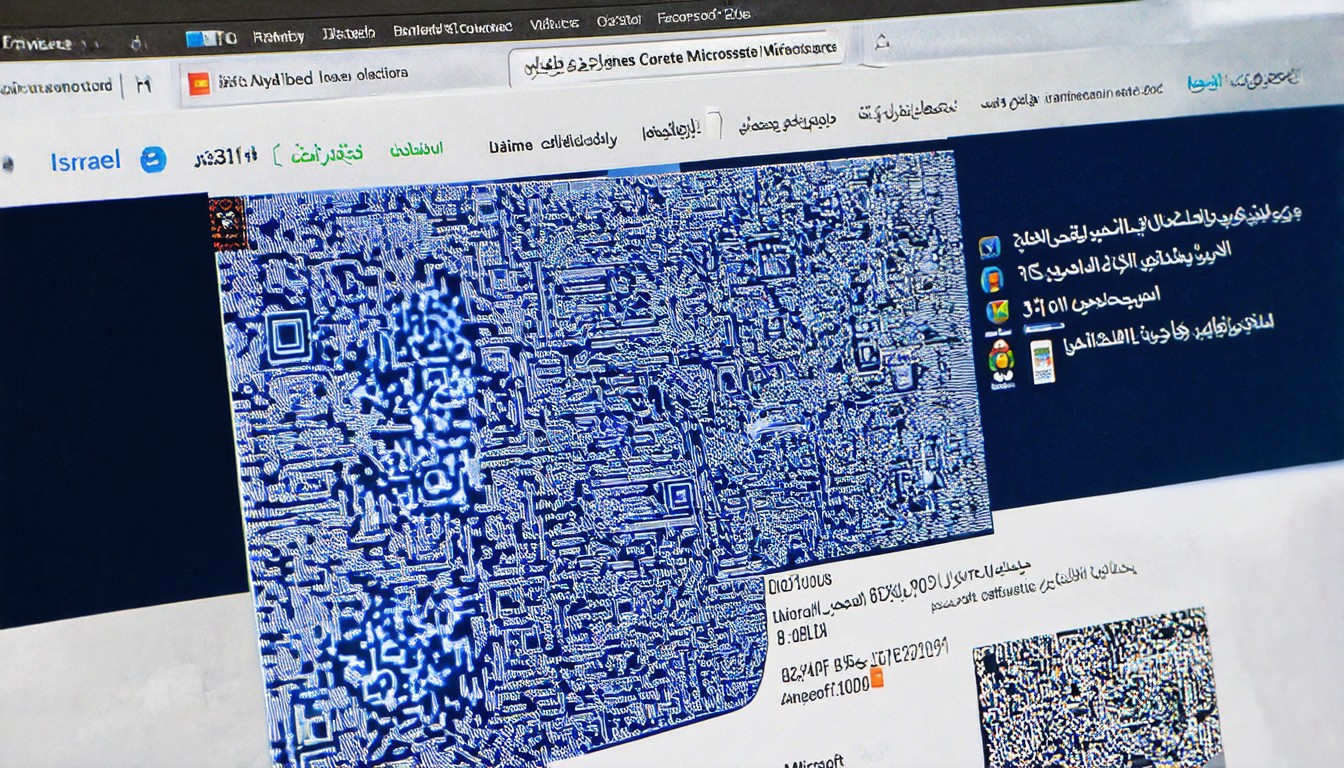
In recent days, a sophisticated phishing scam has emerged, exploiting the ongoing tensions between Iran, the United States, and Israel to target Microsoft account holders. The scammers are using fake missile alerts and convincing-looking government emails to trick users into divulging their login credentials. This latest attack highlights the growing sophistication of cyber threats and underscores the need for vigilance among users, particularly those in conflict zones or those with professional ties to these nations.
The phishing scheme begins with a convincing-looking alert, often presented as a government notification. The message warns recipients of an imminent missile attack, urging them to take immediate action to secure their personal information. To add to the sense of urgency, the emails include a QR code, ostensibly designed to verify the recipient's identity and access emergency services. However, scanning the QR code or clicking on any links within the email directs users to a fake Microsoft login page.
The fake login page is a near-perfect replica of the real Microsoft sign-in interface, complete with security badges and logos. The scammers have gone to great lengths to ensure that their site appears legitimate, using similar color schemes and fonts to avoid raising suspicion. Once a user enters their credentials, the information is intercepted by the attackers, granting them unauthorized access to the victim's Microsoft account.
This particular scam is particularly dangerous due to its ability to exploit existing geopolitical tensions. By framing the attack as a government-issued alert, the scammers are capitalizing on the fear and anxiety that often accompany such conflicts. Users in the affected regions may be more inclined to act quickly, potentially overlooking the red flags that would typically signal a phishing attempt.
Microsoft has not yet issued an official statement on this specific scam, but the company has previously emphasized the importance of educating users about phishing tactics. The company advises users to verify the legitimacy of any login requests and to avoid clicking on links or scanning QR codes from unknown sources. Additionally, enabling two-factor authentication on Microsoft accounts can provide an extra layer of security, as even if a user's password is stolen, the scammers would need a second form of verification to access the account.
Cybersecurity experts have warned that such targeted phishing attacks are likely to increase in frequency and sophistication as tensions between nations escalate. The use of geopolitical events to create a sense of urgency is a common tactic among scammers, as it can exploit human psychology and lead to hasty, potentially harmful decisions.
As this scam unfolds, it serves as a stark reminder of the ever-evolving nature of cyber threats. While technology continues to advance, so too do the tactics employed by attackers. It is up to individuals and organizations to remain vigilant and proactive in safeguarding their digital security. By understanding the common tactics used in phishing attacks and taking steps to protect themselves, users can help mitigate the risks associated with such threats.
In conclusion, the missile alert phishing scam exploiting the Iran-US-Israel conflict is a prime example of how cybercriminals leverage geopolitical tensions to target vulnerable users. The use of fake government emails and QR codes to steal Microsoft passwords underscores the need for users to remain cautious and informed about online security practices. As tensions between nations continue to rise, it is crucial for individuals and organizations to prioritize cybersecurity measures and educate themselves on the latest threats to protect against such sophisticated attacks.









