Middle East tensions drives global food prices higher for second month
The UN reported a second monthly rise in global food prices as the Middle East conflict drives up energy and fertilizer costs, threatening future harvests and yields despite currently stable market supplies.
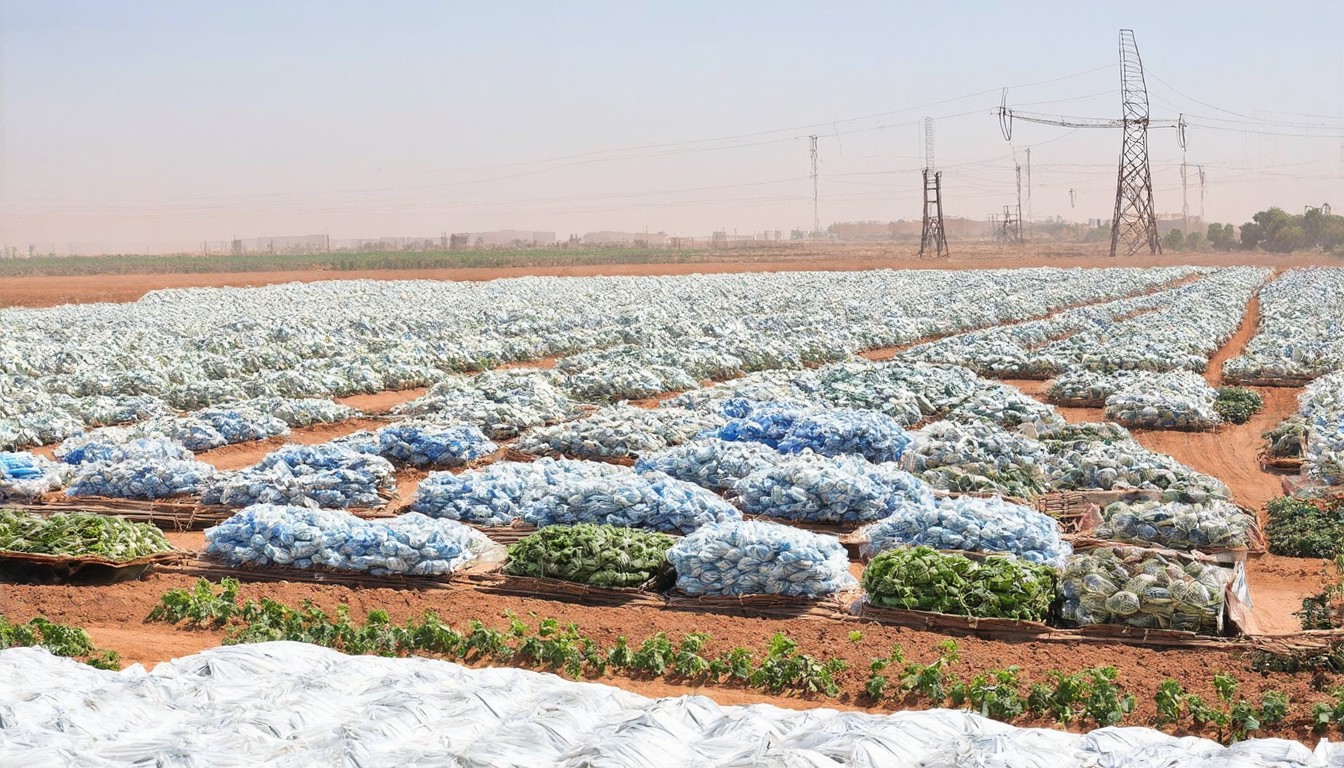
The Middle East tensions have once again contributed to a surge in global food prices, marking the second consecutive monthly increase according to the United Nations. This escalation is primarily driven by rising energy and fertilizer costs, which are exacerbating the challenges faced by farmers worldwide. While current market supplies remain stable, the threat to future harvests and yields is growing, raising concerns about the long-term stability of food production.
The conflict in the Middle East, a region that plays a pivotal role in global energy markets, has led to increased oil prices. This, in turn, has driven up the cost of transportation and storage for agricultural products, making it more expensive for producers to get their goods to market. Additionally, the region is a significant producer of fertilizers, and tensions have disrupted supply chains, leading to higher prices for these essential inputs.
Fertilizers are crucial for crop growth, and their increased cost is a major concern for farmers. Many rely on fertilizers to maintain soil fertility and ensure high yields. However, with fertilizer prices on the rise, smaller-scale farmers and those in developing countries are particularly vulnerable. They may struggle to afford the necessary inputs, which could lead to reduced production and lower food security in these regions.
Despite the current stability in global food markets, the long-term implications of these rising costs are cause for concern. The increased expense of energy and fertilizers may discourage farmers from investing in new technologies or expanding their operations, which could ultimately lead to a decline in agricultural productivity. Furthermore, the higher costs could be passed on to consumers, leading to further price increases at the point of sale.
The United Nations has warned that the situation could worsen if the Middle East tensions persist. The organization has called for international cooperation to address the root causes of the conflict and find sustainable solutions to ensure the stability of global food supplies. Efforts to diversify supply chains and reduce dependency on volatile regions are also being explored as potential strategies to mitigate the impact of such disruptions.
In the meantime, governments and international organizations are monitoring the situation closely. Some have initiated programs to support farmers in affected regions, providing financial assistance or alternative sources of fertilizers. Others are working to enhance food storage and distribution systems to ensure that existing supplies can reach those in need.
The second monthly rise in global food prices underscores the interconnectedness of global markets and the fragility of the food supply chain. While current market conditions remain stable, the underlying tensions in the Middle East and the resulting cost increases pose a significant threat to future food production. It will be crucial for stakeholders to collaborate and find ways to address these challenges, ensuring that global food security is not compromised.