
Microbubbles
It’s incredibly hard to deliver drugs to the right organ, especially to reach the brain. Microbubbles could change that.
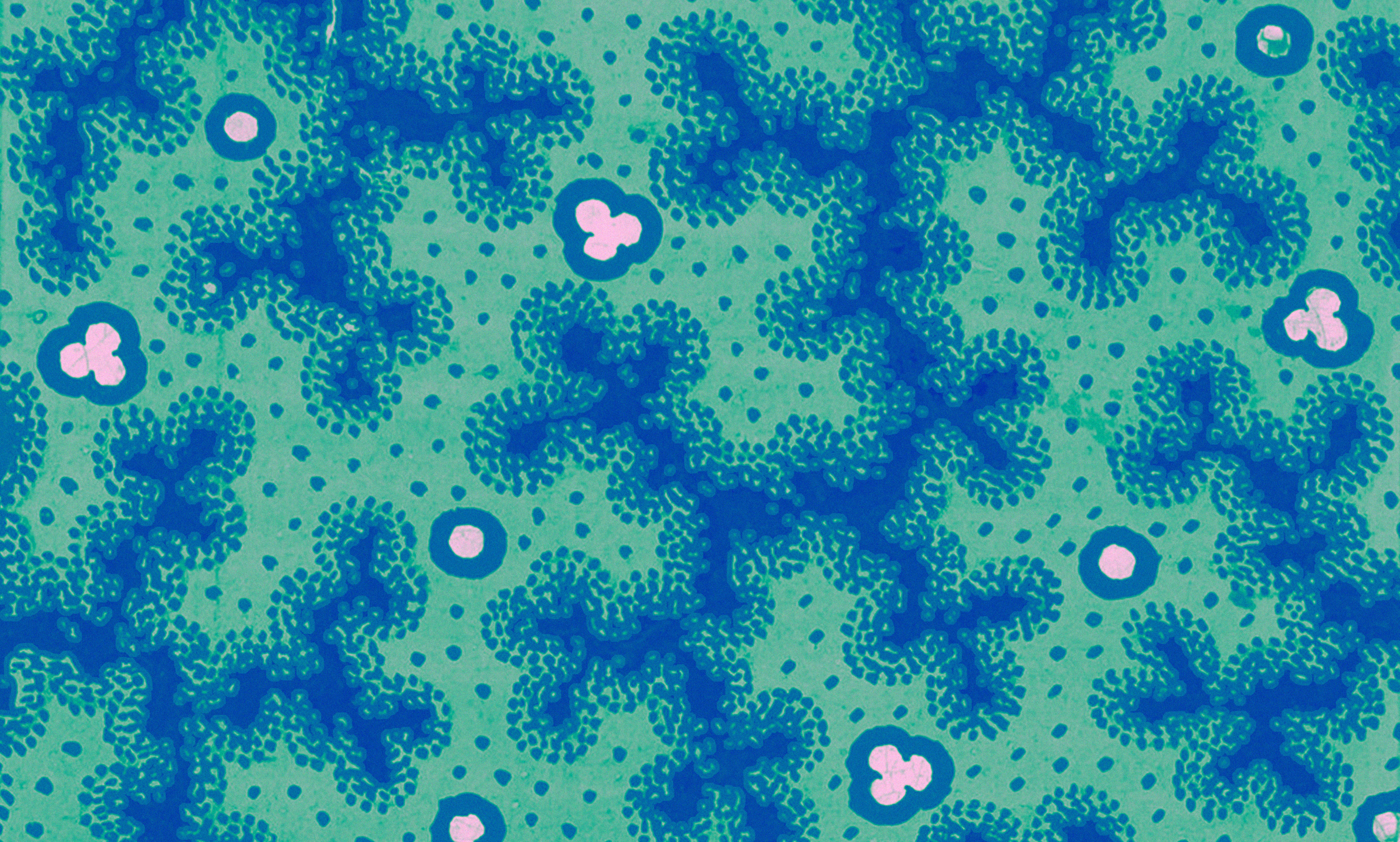
Delivering drugs to the right organ, especially the brain, has long been a significant challenge in medicine. The human body is a complex and often unforgiving environment, making it difficult for drugs to reach their intended targets. In many cases, less than one percent of an injected cancer drug dose actually reaches the tumor. This problem is compounded when it comes to the brain, which has a protective barrier that excludes most large drugs, such as antibody therapies and nanoparticles, as well as many small molecule drugs like chemotherapy agents. This barrier makes treating conditions like epilepsy, Alzheimer's, and Parkinson's diseases much more challenging than treating diseases in other parts of the body.
To overcome these delivery challenges, researchers have explored various methods, including nanoparticles, liposomes, and even nanobots. Nanoparticles are tiny structures made from metals, polymers, or lipids, about a thousandth the width of a human hair. They have shown promise in certain breast and lung cancers, as they can more easily permeate blood vessels. However, the liver and spleen often intercept a large fraction of nanoparticles before they reach their target.
Liposomes, which are fatty spherical pouches with walls made from the same material as cell membranes, also face similar challenges. Macrophages in the liver recognize and engulf most liposomes on their journey to the target site. Nanobots, hypothetical miniature machines capable of performing tasks at the molecular or cellular level, remain a distant prospect. Additionally, most of these delivery systems are blocked from reaching the brain due to its protective barrier.
Microbubbles may offer a potential solution to these delivery challenges. As the name suggests, microbubbles are tiny gas-filled bubbles that have been engineered with a protective outer shell and made capable of carrying drugs. Unlike nanoparticles and liposomes, microbubbles can evade the immune system and penetrate the blood-brain barrier, reaching the brain and delivering their payload directly to the target site.
Scientists have been experimenting with microbubbles for some time, and recent advancements have shown promising results. By coating microbubbles with specific molecules or antibodies, they can be targeted to bind specifically to cancer cells or other diseased cells, ensuring that the drug is delivered precisely where it is needed. This targeted approach not only increases the effectiveness of the treatment but also minimizes potential side effects on healthy cells.
Moreover, microbubbles can be designed to release their drug payload in a controlled manner, either in response to specific triggers such as changes in pH or temperature, or through enzymatic degradation. This allows for precise control over the timing and concentration of the drug, ensuring that it is delivered at the right time and in the right amount to the target site.
The potential applications of microbubbles extend beyond cancer treatment. They could also be used to deliver drugs for neurological disorders like Alzheimer's and Parkinson's, as well as for conditions affecting other organs that are difficult to reach, such as the lungs or pancreas. By overcoming the challenges posed by the human body's defense mechanisms, microbubbles could revolutionize the way drugs are delivered, improving treatment outcomes and quality of life for patients suffering from various diseases.
In conclusion, microbubbles represent a promising breakthrough in the field of drug delivery. Their ability to evade immune defenses, penetrate the blood-brain barrier, and deliver drugs precisely to their target sites holds great potential for treating a wide range of diseases, including those that are currently difficult to manage. As research continues, microbubbles could become a standard tool in the arsenal of medical professionals, enabling more effective and targeted treatments for patients around the world.









