
Mexican farmers seek tariff relief on Chinese fertilizers as supply risks mount
Producers warn that rising costs and global disruptions could threaten crop output and food inflation.
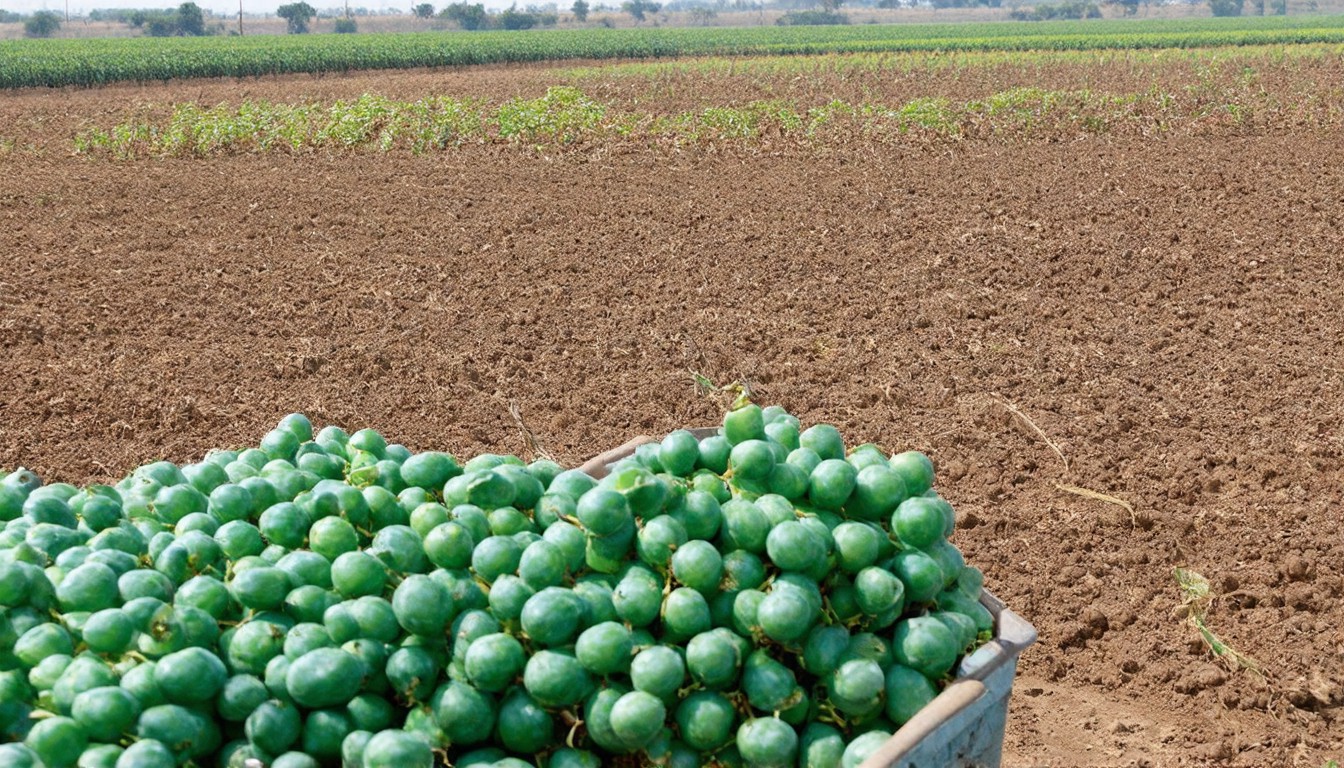
Mexican farmers are urging the federal government to temporarily suspend compensatory duties on Chinese ammonium sulfate amid global supply disruptions and geopolitical tensions that are driving fertilizer prices higher. The request highlights Mexico’s reliance on imports for roughly three-quarters of its fertilizer needs and the policy tension between protecting domestic producers and ensuring affordable inputs for farmers.
Producers in key farming regions, including Sinaloa, Jalisco, Michoacán, Sonora, and El Bajío, are seeking alternatives to urea imports from the Middle East, where conflict has disrupted production and logistics. Ammonium sulfate from China is viewed as a substitute, but a compensatory duty of about USD 180 per ton keeps prices elevated. Industry estimates suggest that removing the tariff could reduce import costs from roughly USD 530 per ton to USD 330, easing pressure on farm margins.
Global urea prices have risen sharply, climbing from about USD 472 per ton in late February to around USD 800 following the escalation of hostilities. This has exacerbated concerns over input affordability ahead of the spring-summer planting season. The duties stem from anti-dumping measures imposed in 2015 after complaints from domestic producers. While Mexico has previously suspended such tariffs temporarily to curb inflation, including under the PACIC program introduced in 2022, policymakers have so far maintained them as a safeguard for the local industry.
Farmers warn that without timely intervention, fertilizer shortages could reduce the output of grains, fruits, and vegetables, with knock-on effects for food prices and rural incomes. However, tariff relief alone may not secure supply. China, a major global fertilizer exporter, is restricting shipments to protect its domestic market, with estimates suggesting that between 50% and 80% of exports are currently constrained. Analysts expect these controls to remain in place at least until late 2024.
The situation is further complicated by the fact that Mexico’s domestic fertilizer production has been limited, relying heavily on imports. The government has been working to boost domestic production, but this process is slow and may not be sufficient to address the immediate supply shortages.
The call for tariff relief comes as farmers and agricultural organizations emphasize the critical role fertilizers play in crop productivity. Without affordable fertilizers, they argue, Mexico risks reduced agricultural output, which could lead to higher food prices and food insecurity, particularly for vulnerable populations.
The Mexican government faces a delicate balance in addressing these concerns. On one hand, it must support domestic producers by protecting them from foreign competition. On the other hand, it must ensure that farmers have access to affordable inputs to maintain agricultural productivity and food security.
The debate over tariff relief is not unique to Mexico. Many countries around the world are grappling with rising fertilizer prices and supply chain disruptions. The global fertilizer market is facing significant challenges, including production constraints in key regions and increased demand from emerging economies.
In the meantime, Mexican farmers are looking for ways to mitigate the impact of higher fertilizer costs. Some are exploring alternative fertilization methods, such as using organic fertilizers or implementing conservation practices to improve soil health. Others are turning to credit facilities or government support programs to help cover the increased costs.
As the situation evolves, it remains to be seen whether the Mexican government will decide to suspend the compensatory duties on Chinese ammonium sulfate. Whatever the decision, it is clear that the agricultural sector is facing significant challenges, and the government must find a way to address these concerns to ensure the stability of the food supply and the livelihoods of farmers.









