
Meta and YouTube found liable on all charges in social media trial
The verdict, which caps a weeks-long trial in Los Angeles, could set a legal precedent for similar allegations brought against social media companies.
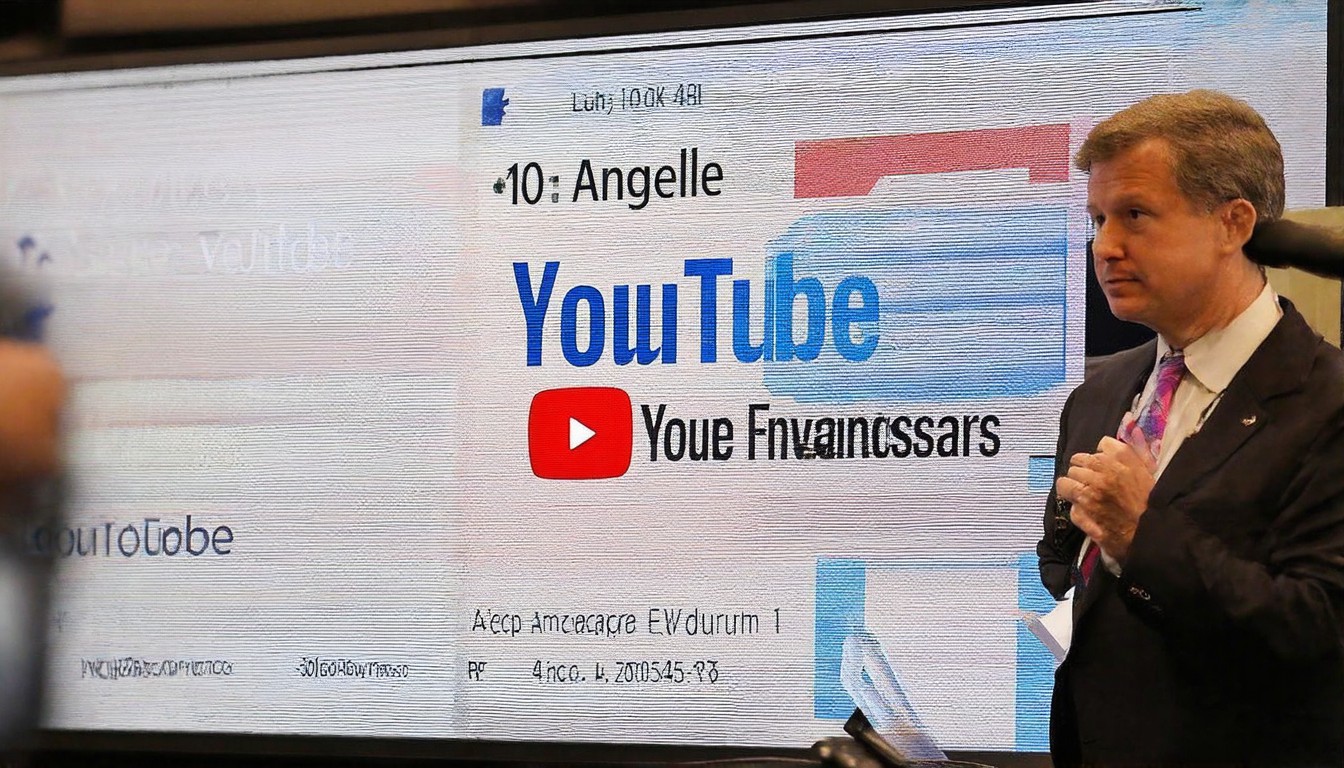
In a landmark verdict that could reshape the legal landscape for social media companies, Meta and YouTube have been found liable on all charges in a high-profile trial held in Los Angeles. The case, which spanned several weeks, has drawn significant attention from both the legal and tech communities, as it could set a precedent for future allegations against major platforms.
The trial centered around allegations that Meta and YouTube failed to adequately protect users from harmful content, including violent extremism and misinformation. Prosecutors argued that the companies had a duty to monitor and regulate the content on their platforms to prevent harm to society. They presented evidence of instances where the companies had been aware of problematic content but had not taken sufficient action to address it.
Meta, the parent company of Facebook and Instagram, faced charges related to its handling of hate speech and violent content on its platforms. Prosecutors highlighted specific cases where users had posted graphic and violent material, and argued that Meta's algorithms and moderation policies had failed to identify and remove such content in a timely manner.
YouTube, owned by Alphabet Inc., was similarly accused of failing to prevent the spread of extremist and violent content. The prosecution pointed to examples of terrorist groups using the platform to recruit and promote their ideologies, and claimed that YouTube's content moderation systems had been inadequate in addressing these threats.
Both companies have long maintained that they are committed to combating harmful content and that they have invested heavily in technology and policies to achieve this goal. However, the verdict suggests that these efforts have not been sufficient to meet legal standards of responsibility.
The implications of this verdict are significant. If the charges against Meta and YouTube are upheld, it could open the door for similar lawsuits against other major social media companies, such as Twitter and TikTok. This could force these platforms to overhaul their content moderation strategies and invest more heavily in technology to detect and remove harmful content.
Moreover, the verdict could have broader implications for the regulation of social media in the future. If social media companies are held accountable for the content on their platforms, it could lead to increased scrutiny from regulators and lawmakers, potentially resulting in new laws and regulations to govern the industry.
The trial has also sparked a wider debate about the role and responsibility of social media companies in society. Critics argue that these companies have a moral obligation to ensure the safety and well-being of their users, and that they should take more proactive steps to prevent the spread of harmful content.
On the other hand, some argue that imposing strict liability on social media companies could stifle free expression and innovation. They contend that social media platforms should be allowed to operate with more flexibility, without being held accountable for every piece of content posted by their users.
The verdict in this case is likely to be appealed by Meta and YouTube, and the outcome will be closely watched by the legal and tech communities. Regardless of the final decision, the trial has highlighted the complex and contentious issues surrounding the responsibility of social media companies in the digital age.
In conclusion, the verdict against Meta and YouTube in the social media trial could have far-reaching consequences for the industry and the regulation of online content. As the legal landscape continues to evolve, it will be interesting to see how these companies adapt to the new challenges posed by this verdict and the growing expectations of users and regulators alike.









