
“Mere use of words like ‘Waqf’ or ‘Mosque’ does not create public waqf”: Madras HC sets aside TN Board order
On February 27, 2026, the Madras High Court, through a detailed judgment by Justice P. B. Balaji, put an end to a long-running property dispute that had its roots over a century ago. The matter, registered as Civil Revision Petition No. 877 of 2023, was between the legal heirs of M. Sirajudeen Sayeed, Zarina Sayeed and Shabana Sayeed and the Tamil Nadu Waqf Board, which had claimed the family’s ancestral property as a public waqf. At its core, the case revolved around a simple but important question: was this property meant for the public in the name of religion, or was it always a private family property? The answer depended on how old documents from 1910 and 1951 were to be understood. The dispute goes back to a partition deed dated February 14, 1910. In this document, some properties were listed under a section called “D Schedule.” Later, another partition deed in 1951 referred back to this same arrangement. The Waqf Board argued that because these documents used words like “waqf” and “mosque,” the property must have been dedicated for religious purposes and therefore should be treated as a public waqf. Based on this understanding, the Board registered the property as waqf in 2008 under the Waqf Act, 1995. This meant that the Board claimed the right to control and manage the property. However, the family strongly objected, saying that the property had always remained with them and was never meant to be given away for public religious use. This
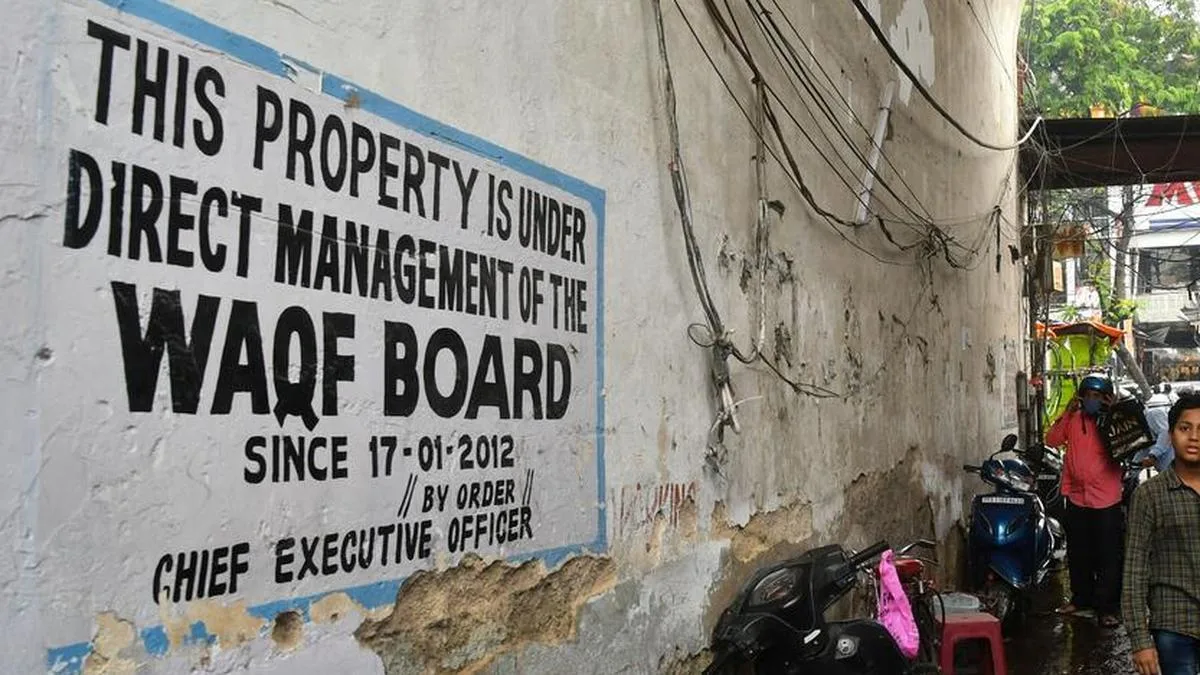
On February 27, 2026, the Madras High Court delivered a landmark judgment in a century-old property dispute, ending a protracted legal battle between the heirs of the Sayeed family and the Tamil Nadu Waqf Board. The case, Civil Revision Petition No. 877 of 2023, centered on the question of whether a property in Madras was intended for public religious use or remained a private family asset. The outcome hinged on the interpretation of documents from 1910 and 1951, which contained terms like “waqf” and “mosque.”
The dispute traced its origins to a partition deed dated February 14, 1910. This document listed certain properties under a section called “D Schedule.” A subsequent partition deed from 1951 referred back to this arrangement. The Waqf Board argued that the use of the words “waqf” and “mosque” in these documents indicated that the property was dedicated for religious purposes and should therefore be classified as a public waqf. Based on this interpretation, the Board registered the property as a waqf in 2008 under the Waqf Act, 1995, thereby claiming the right to control and manage it.
However, the Sayeed family vehemently objected, asserting that the property had always been in their possession and was never intended for public religious use. This disagreement sparked a legal battle that spanned several years. In 2009, the High Court intervened and canceled the Waqf Board’s action, instructing it to conduct a thorough and fair inquiry. Despite this, the Board issued another order on November 3, 2009, declaring the property a public waqf without providing adequate reasoning, analysis, or transparency.
In its recent judgment, Justice P. B. Balaji of the Madras High Court set aside the Tamil Nadu Waqf Board’s order, emphasizing that the mere use of the terms “waqf” and “mosque” in old documents did not automatically mean the property was intended for public religious use. The court highlighted the need for a nuanced understanding of historical context and the specific intent of the parties involved. Justice Balaji’s detailed judgment underscored the importance of interpreting legal documents with care, particularly when they pertain to sensitive issues of property rights and religious institutions.
The ruling not only resolved the century-old dispute but also served as a cautionary note to authorities on the proper application of the Waqf Act. It reinforced the principle that legal interpretations must be grounded in a comprehensive analysis of the facts and historical circumstances surrounding a case, rather than relying solely on the presence of specific terminology in documents.
The Sayeed family hailed the judgment as a vindication of their rights, while the Tamil Nadu Waqf Board expressed disappointment. The case underscored the complexities of property disputes involving religious institutions and the need for judicial scrutiny to ensure fair and equitable outcomes. As the Madras High Court’s decision stands, it sets a precedent for future cases involving the interpretation of historical documents and the application of the Waqf Act in similar disputes.








