
Mehrwertsteuer: Was ohnehin kommen muss
Eine Entlastung der Verbraucher muss ohnehin kommen
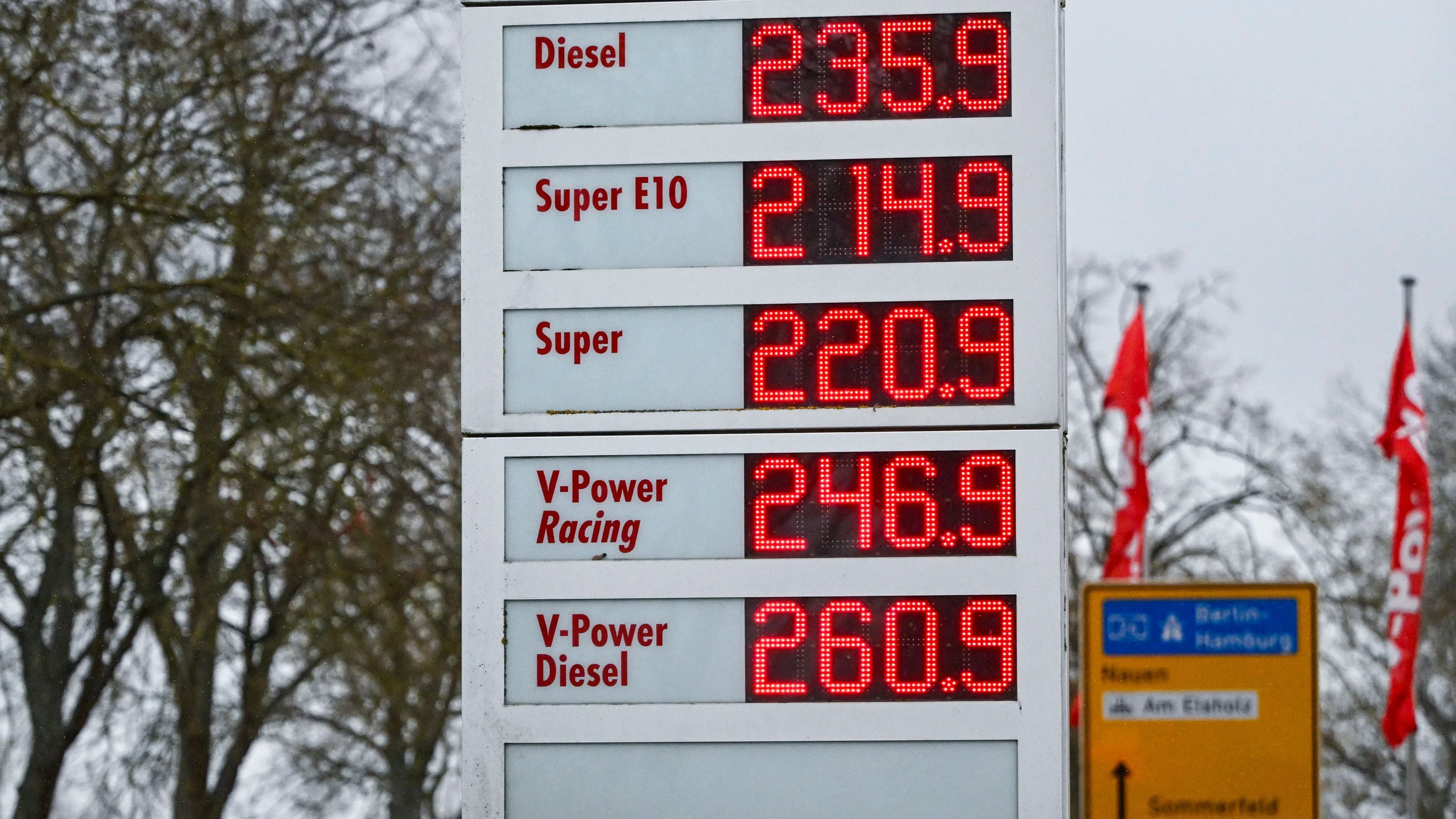
In the midst of escalating global tensions and economic challenges, the discussion around the Mehrwertsteuer (Value Added Tax, or VAT) has intensified. The recent call for a temporary suspension of this tax has been framed as a necessary measure to alleviate the financial burden on consumers. Critics argue that this move is not just a political gesture but an inevitable step that would have been required regardless of the circumstances.
The backdrop for this debate is the ongoing conflict in Iran, which has disrupted global oil markets and contributed to rising energy prices. This disruption has had a ripple effect on economies worldwide, leading to higher inflation rates and increased costs for everyday goods and services. In this context, the decision to waive the Mehrwertsteuer can be seen as a preemptive measure to counteract the negative impacts of these external factors.
The Mehrwertsteuer, which is levied on the value added at each stage of production and distribution, is a significant source of revenue for governments. However, in times of economic stress, the burden on consumers can become unsustainable. By temporarily suspending this tax, governments aim to provide relief to households, particularly those most affected by rising prices. This move is not merely a political decision but a pragmatic response to the economic realities faced by consumers.
Critics of the Mehrwertsteuer suspension argue that it is a short-term solution that does not address the root causes of inflation. They point out that the disruptions in global energy markets and supply chains are likely to persist, and the temporary relief offered by suspending the tax may not be enough to counteract the long-term effects. Furthermore, they question whether the reduction in government revenue from the suspended tax will lead to cuts in essential services or increased borrowing, which could exacerbate future economic challenges.
Despite these concerns, proponents of the Mehrwertsteuer suspension maintain that it is a necessary step to protect consumers from the immediate consequences of rising prices. They argue that the decision to waive the tax is not a political maneuver but an acknowledgment of the economic reality that consumers are already facing. By doing so, governments are ensuring that households have more disposable income to cope with the increased costs of living.
The decision to suspend the Mehrwertsteuer also has broader implications for economic policy. It highlights the need for governments to be flexible and responsive to changing economic conditions. In times of global disruptions, such as those caused by the Iran conflict, governments must act swiftly to mitigate the impacts on their citizens. The Mehrwertsteuer suspension is a testament to this need for adaptability and a recognition that certain economic measures are not optional but inevitable.
In conclusion, the decision to suspend the Mehrwertsteuer is not merely a political gesture but a pragmatic response to the economic challenges posed by global disruptions. While critics argue that it is a short-term solution, proponents maintain that it is a necessary step to protect consumers from the immediate effects of rising prices. Ultimately, this debate underscores the importance of governments being responsive to economic realities and the need for flexible economic policies in times of uncertainty. As the world continues to navigate the complexities of global conflicts and their economic repercussions, the Mehrwertsteuer suspension serves as a reminder of the critical role governments play in safeguarding the well-being of their citizens.









