
Meet the world’s new arms dealers
Where to buy drones, fighters and tanks on the cheap
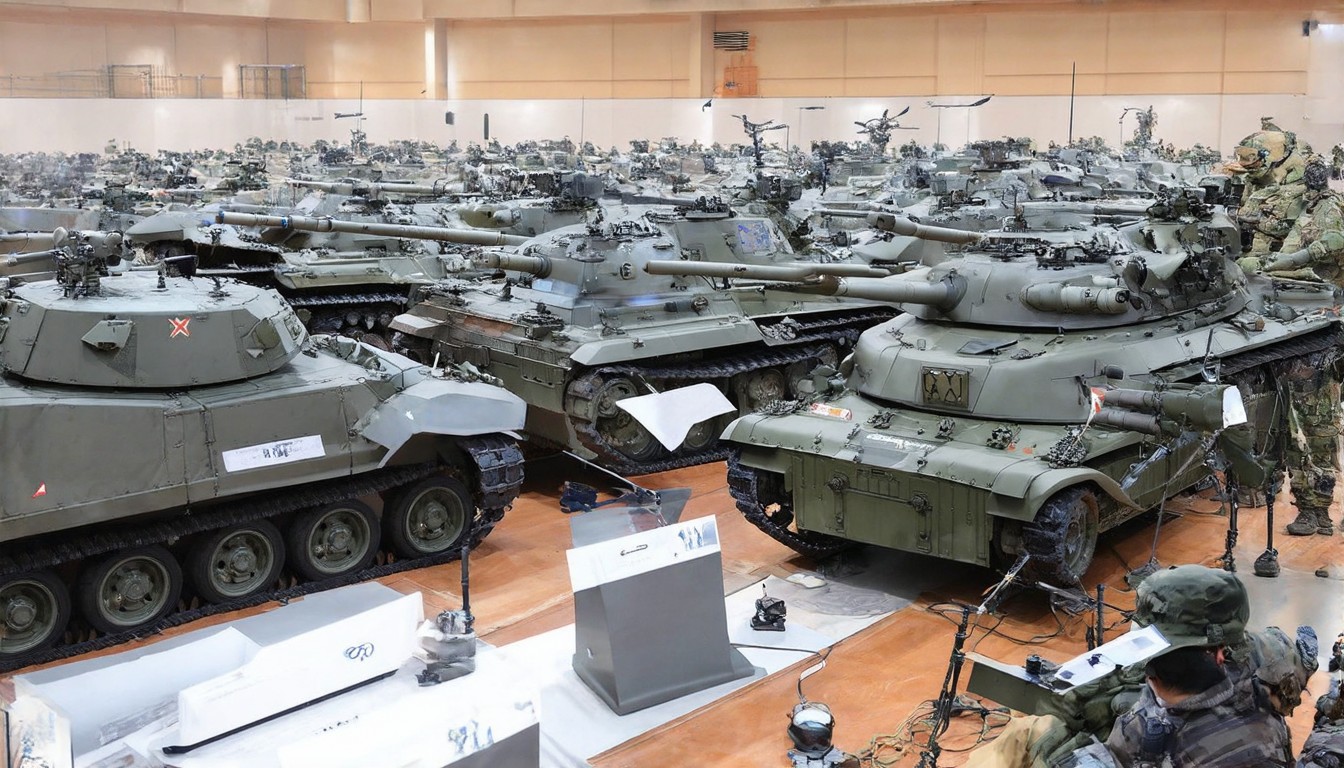
In a world where the demand for military equipment has never been higher, a new breed of arms dealers has emerged, offering a wide range of weapons systems at surprisingly affordable prices. From drones to fighter jets and tanks, these dealers are catering to a growing market of nations and private entities seeking to bolster their military capabilities.
The rise of these arms dealers can be traced back to the increasing global instability and the need for countries to secure their borders. With traditional arms manufacturers often prioritizing large-scale contracts with established military powers, smaller nations and private military companies (PMCs) have found themselves in a precarious position. This has led to the emergence of independent arms dealers who specialize in sourcing and reselling surplus or second-hand military equipment.
One of the key factors driving this market is the sheer volume of military hardware that has become available due to geopolitical shifts and the decommissioning of outdated systems. For example, the dissolution of the Soviet Union left behind vast quantities of tanks and aircraft, many of which are now being sold off at a fraction of their original cost. Similarly, the rapid advancement of technology has rendered some systems obsolete, leading to a glut of equipment that can be acquired at a significantly reduced price.
These dealers operate primarily through discreet networks, leveraging their connections to military officials and brokers in various countries. They often source their inventory from governments that are eager to offload surplus stock or from private collectors who have amassed large collections of military gear. The transactions are typically conducted in cash to avoid detection and to ensure the anonymity of both the buyer and the seller.
The most sought-after items in this market are unmanned aerial vehicles (UAVs), or drones, which have become indispensable tools for surveillance and reconnaissance. Drones, once the domain of high-profile military operations, are now within reach of smaller nations and even private entities. Prices for basic drone models can start as low as a few thousand dollars, making them an attractive option for those with limited budgets.
Fighter jets and other combat aircraft also feature prominently in the arms dealers' catalogs. While these systems are still expensive, they are often sold at a fraction of their original cost due to their age or the need for extensive maintenance. For instance, a MiG-29 fighter jet, once a staple of the Soviet air force, can be purchased for as little as $1 million, compared to its original price tag of tens of millions of dollars.
Tanks, another staple of modern warfare, are also available for a fraction of their original price. Countries like Ukraine and Georgia, which have decommissioned large numbers of tanks following the end of the Cold War, have become major suppliers in this market. Tanks like the T-72, which were once considered state-of-the-art, can be acquired for as little as $200,000, making them a tempting option for nations looking to bolster their ground forces.
The proliferation of these arms dealers has raised concerns among international organizations and security experts. With military equipment now within the reach of non-state actors, there is a growing risk of these systems falling into the wrong hands. This could potentially exacerbate regional tensions and contribute to the destabilization of already fragile states.
Despite these concerns, the demand for affordable military hardware continues to grow. As nations grapple with the complexities of modern conflict, the need for versatile and cost-effective solutions becomes increasingly apparent. The rise of the world’s new arms dealers is a testament to this demand, and it remains to be seen how this dynamic will shape the global security landscape in the years to come.
In conclusion, the emergence of independent arms dealers offering a wide range of military equipment at reduced prices reflects a growing market for affordable and accessible military solutions. While this trend raises significant concerns about the potential for destabilization, it also highlights the urgent need for nations to adapt to the ever-evolving nature of modern warfare. As the demand for military hardware continues to soar, the role of these dealers in shaping the global arms market will undoubtedly become even more pronounced.









