
Meet a former VC who has a plan to prepare American students for an AI-disrupted future
For years, Ted Dintersmith has been sounding the alarm that American schools don’t adequately prepare children for the future. Artificial intelligence will be an inflection point, he said.
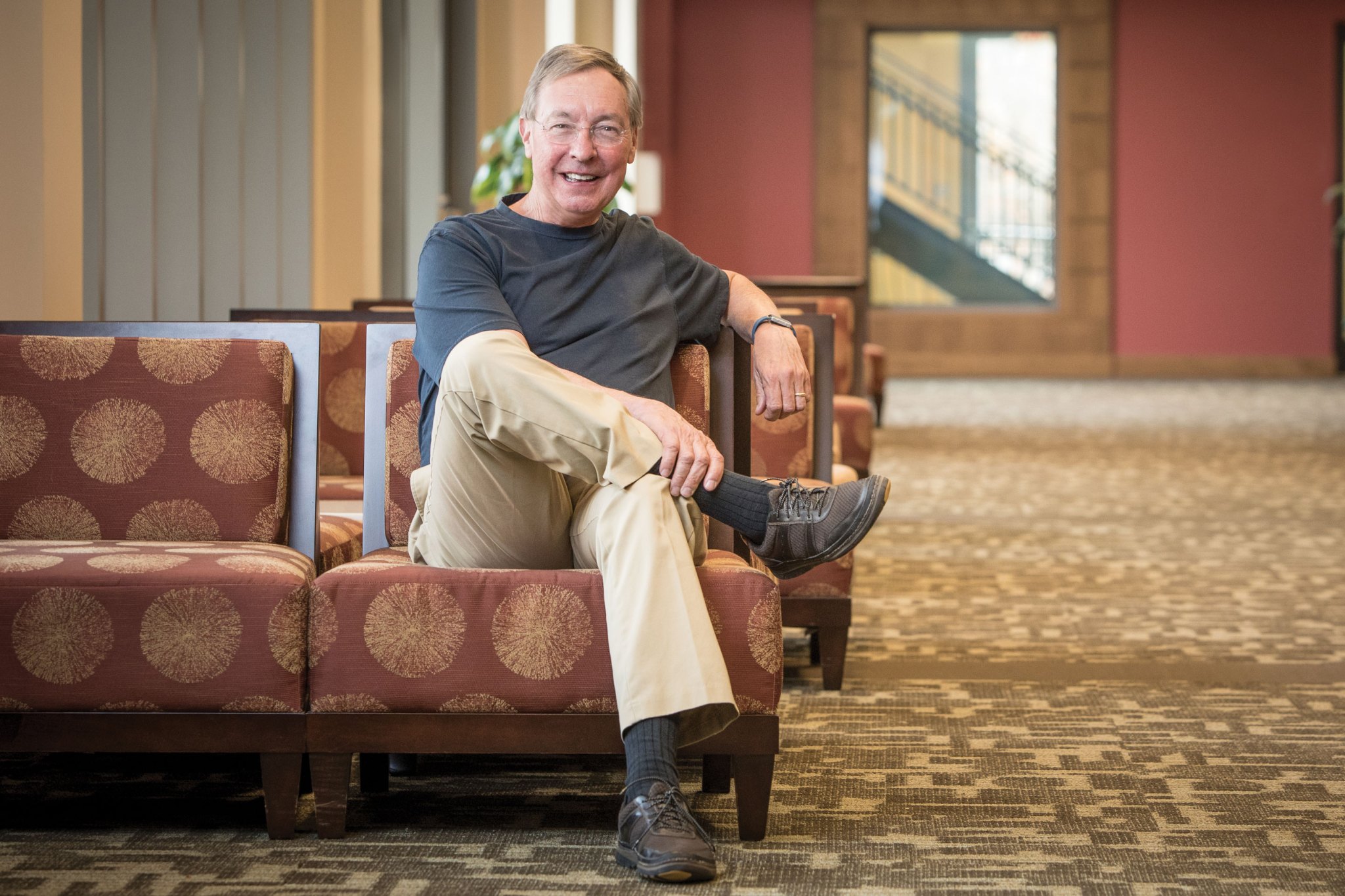
In a world rapidly evolving with artificial intelligence, the future of American education is under scrutiny. Ted Dintersmith, a former venture capitalist and education advocate, has spent years warning that current school systems are failing to prepare students for the future. His latest book, "Aftermath: The Life-Changing Math That Schools Won’t Teach You," argues that the education system is not only inadequate but also outdated, teaching students skills that machines can easily replicate while neglecting real-world knowledge.
Dintersmith’s journey began with a realization that the traditional approach to education was not only inefficient but also harmful. He believes that schools are wasting precious time on subjects like algebra and calculus, which have little relevance to real-life situations or career success. Instead, he argues that students should be learning practical skills such as probability and statistics, which are crucial for navigating an AI-disrupted future.
The impetus for Dintersmith’s book came from a 15-year study of the American education system, during which he identified significant flaws. He points out that the system is designed to measure success through high-stakes standardized tests that ask questions easily solvable by machines. This approach not only fails to develop critical thinking and problem-solving skills but also undermines the value of education.
Dintersmith’s concerns extend beyond mathematics. He questions the automatic pipeline from high school to college, a model that has become increasingly unsustainable. With more college graduates feeling that their degrees are not worth the cost, Dintersmith urges a reevaluation of the traditional academic path. He believes that the focus should shift from traditional degrees to a combination of practical skills and adaptability, enabling students to thrive in a rapidly changing job market.
In 2023, Dintersmith visited a school district in Winchester, Virginia, to discuss his vision for education reform. The small town’s schools represent a microcosm of the challenges facing the entire nation. As AI technologies reshape industries and job markets, the need for a flexible and adaptable workforce has never been greater.
Dintersmith’s message is clear: the status quo must change. If the American education system does not adapt, millions of students will enter adulthood unprepared, sowing the seeds for democracy’s collapse. The stakes are high, and the time for action is now. As he emphasizes, it is better to spend time on learning something useful and fulfilling rather than wasting hours on subjects that may never be applied in real life.
In conclusion, Ted Dintersmith’s call for educational reform is a response to the looming threat of an AI-driven future. His book and advocacy highlight the urgent need for a system that equips students with the skills they need to succeed, rather than those that are obsolete. As schools grapple with the implications of artificial intelligence, Dintersmith’s vision serves as a roadmap for preparing the next generation to navigate an uncertain world.









