Medical research with GPT-5
Learn how GPT-5 is used for medical research.
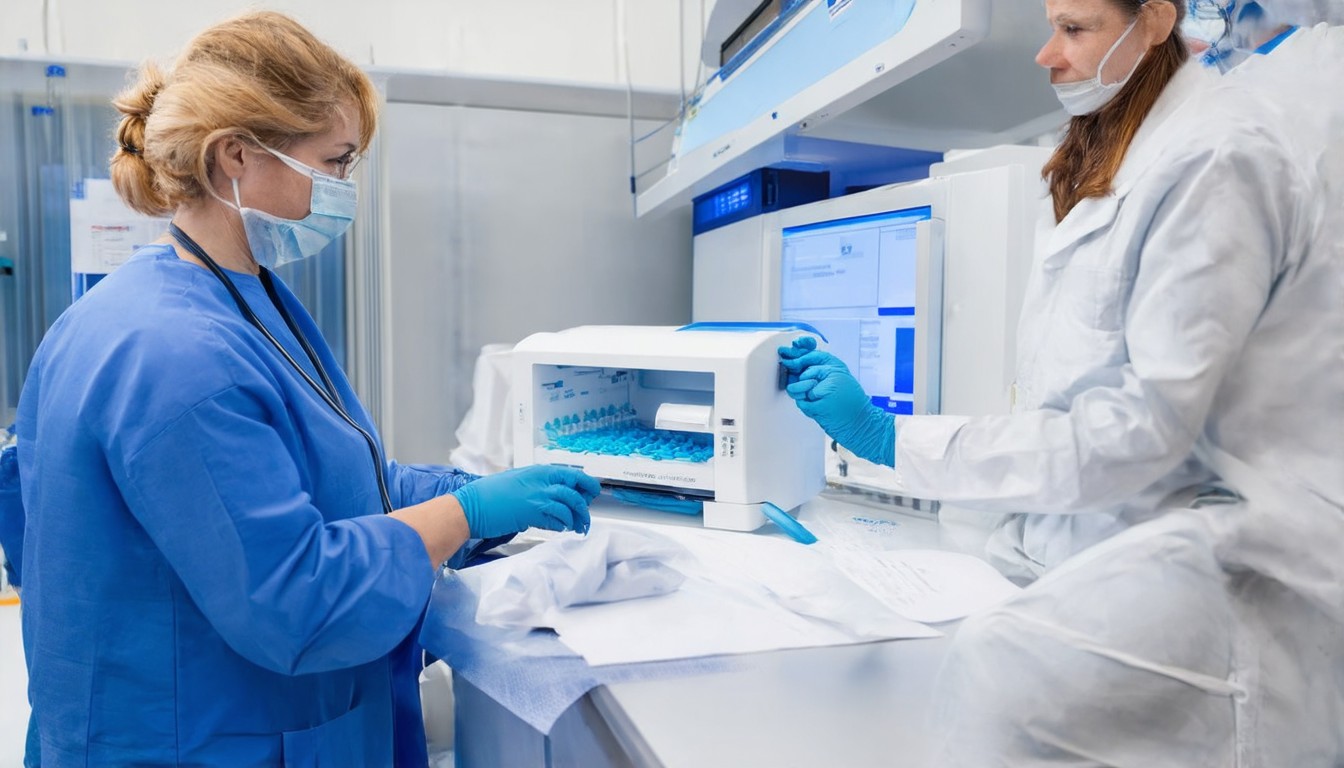
In recent years, the rapid advancement of artificial intelligence has opened new avenues for medical research, with one of the most significant developments being the emergence of GPT-5. This cutting-edge language model, built upon the foundation of its predecessors, has revolutionized the way researchers approach complex medical challenges. By leveraging the vast capabilities of GPT-5, scientists are now able to explore a wide range of medical applications, from drug discovery to personalized treatment plans.
GPT-5, developed by OpenAI, is a transformative natural language processing (NLP) system that excels at understanding and generating human-like text. Its ability to process and analyze vast amounts of data, including medical literature, has made it an invaluable tool for researchers. One of the primary areas where GPT-5 is making a significant impact is in drug discovery. By training the model on extensive databases of scientific papers, clinical trials, and molecular structures, researchers can now use GPT-5 to identify potential drug candidates more efficiently than ever before.
The model's capacity to understand and synthesize complex information allows it to predict the efficacy and safety of new compounds with a high degree of accuracy. This capability not only accelerates the drug development process but also reduces costs associated with traditional trial-and-error methods. Furthermore, GPT-5's ability to generate detailed scientific reports and summaries has streamlined the communication of research findings, enabling researchers to share their work more effectively with the broader scientific community.
Another significant application of GPT-5 in medical research is in the field of diagnostics. The model's proficiency in analyzing medical imaging data, such as X-rays, MRIs, and CT scans, has led to the development of innovative diagnostic tools. By training GPT-5 on large datasets of medical images, researchers can now use the model to detect anomalies and diagnose diseases with a high degree of accuracy. This not only aids in early detection but also helps healthcare professionals make more informed decisions about patient care.
In addition to drug discovery and diagnostics, GPT-5 is also being utilized in the development of personalized treatment plans. By analyzing a patient's medical history, genetic information, and lifestyle factors, the model can generate tailored treatment recommendations. This approach not only improves patient outcomes but also reduces the risk of adverse reactions and side effects associated with traditional one-size-fits-all treatments.
Moreover, GPT-5's capabilities extend to the realm of medical education. The model can generate comprehensive educational materials, such as textbooks, lecture notes, and practice questions, to assist medical students in their learning journey. By providing personalized learning experiences and instant feedback, GPT-5 is transforming the way medical professionals acquire and retain knowledge.
Despite its numerous benefits, the use of GPT-5 in medical research is not without challenges. One of the primary concerns is the need for high-quality, diverse, and up-to-date datasets to ensure the model's accuracy and reliability. Additionally, the ethical implications of using AI in healthcare, such as privacy concerns and potential biases, must be carefully addressed. Researchers and policymakers are actively working to develop guidelines and frameworks to ensure the responsible deployment of GPT-5 and other AI technologies in the medical field.
In conclusion, GPT-5 has emerged as a groundbreaking tool in medical research, offering unprecedented opportunities for advancements in drug discovery, diagnostics, personalized medicine, and education. As the model continues to evolve and mature, its potential to transform healthcare is only set to grow. However, it is crucial for the scientific community to remain vigilant and proactive in addressing the challenges and ethical considerations associated with its use. By doing so, GPT-5 can continue to drive innovation and improve the lives of millions of people around the world.