M'bishi Electric, Toshiba, Rohm sign accord on chip business merger talks
Mitsubishi Electric Corp, Toshiba Corp and Rohm Co said Friday they have agreed under a memorandum of understanding to begin talks on merging their power semiconductor businesses. In…
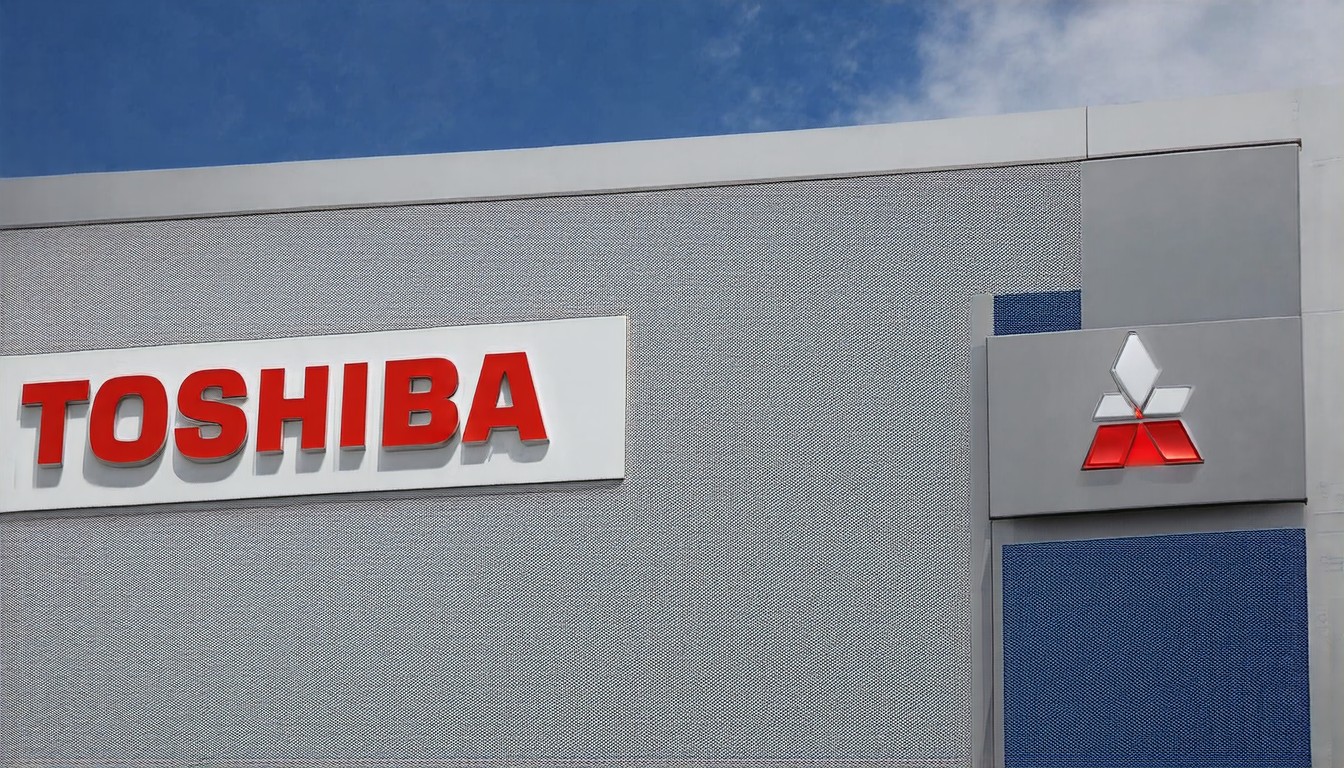
Mitsubishi Electric, Toshiba, and Rohm have entered into a memorandum of understanding (MoU) to initiate discussions on merging their power semiconductor businesses. This move is part of a broader trend in the electronics industry, where companies are consolidating to strengthen their positions in the competitive global market.
The agreement between the three Japanese companies marks a significant development in the semiconductor industry. Power semiconductors are critical components in various applications, including electric vehicles, renewable energy systems, and industrial machinery. By merging their operations, the companies aim to create a stronger player in this strategic market segment.
Under the MoU, Mitsubishi Electric, Toshiba, and Rohm will explore the feasibility of combining their power semiconductor businesses. The discussions will cover various aspects, including the structure of the merger, potential synergies, and the impact on the companies' respective operations. The three firms have a combined global presence, with a focus on research and development, manufacturing, and sales in the power semiconductor market.
Mitsubishi Electric is a multinational conglomerate with a wide range of business interests, including electronics, energy systems, and machinery. Toshiba, another Japanese electronics giant, has a long history in the semiconductor industry, with a focus on power electronics and industrial systems. Rohm, a specialized component manufacturer, is known for its expertise in semiconductors and electronic materials.
The merger discussions come at a time when the global semiconductor industry is undergoing significant changes. The pandemic-induced disruptions have highlighted the need for stronger supply chains and more resilient manufacturing processes. Additionally, the growing demand for electric vehicles and renewable energy systems has increased the importance of power semiconductors.
The potential merger could lead to significant cost savings and improved efficiency through the elimination of redundant operations and the pooling of resources. It may also result in enhanced technological capabilities, as the combined entity would have access to a broader range of expertise and research capabilities.
However, the merger is not without its challenges. The companies will need to navigate regulatory approvals and address potential antitrust concerns. Additionally, integrating three distinct corporate cultures and operations will require careful planning and management.
The MoU between Mitsubishi Electric, Toshiba, and Rohm is a testament to the evolving nature of the semiconductor industry. As companies seek to consolidate and strengthen their positions, the power semiconductor market is poised for significant transformation. The outcome of these merger talks will be closely watched by industry analysts and competitors alike, as it could set a precedent for future consolidations in this dynamic sector.
In conclusion, the agreement between Mitsubishi Electric, Toshiba, and Rohm to merge their power semiconductor businesses represents a strategic move to enhance competitiveness in the global market. While the merger discussions are still in their early stages, the potential benefits of combining these three companies' expertise and resources are significant. The outcome of these talks will undoubtedly shape the future of the power semiconductor industry, as companies continue to adapt to the rapidly changing global landscape.