
Marcos backs UAE as Southeast Asia leaders urge restraint over Iran war
Southeast Asian governments reacted to the Iran war, with most leaders urging restraint and diplomacy.
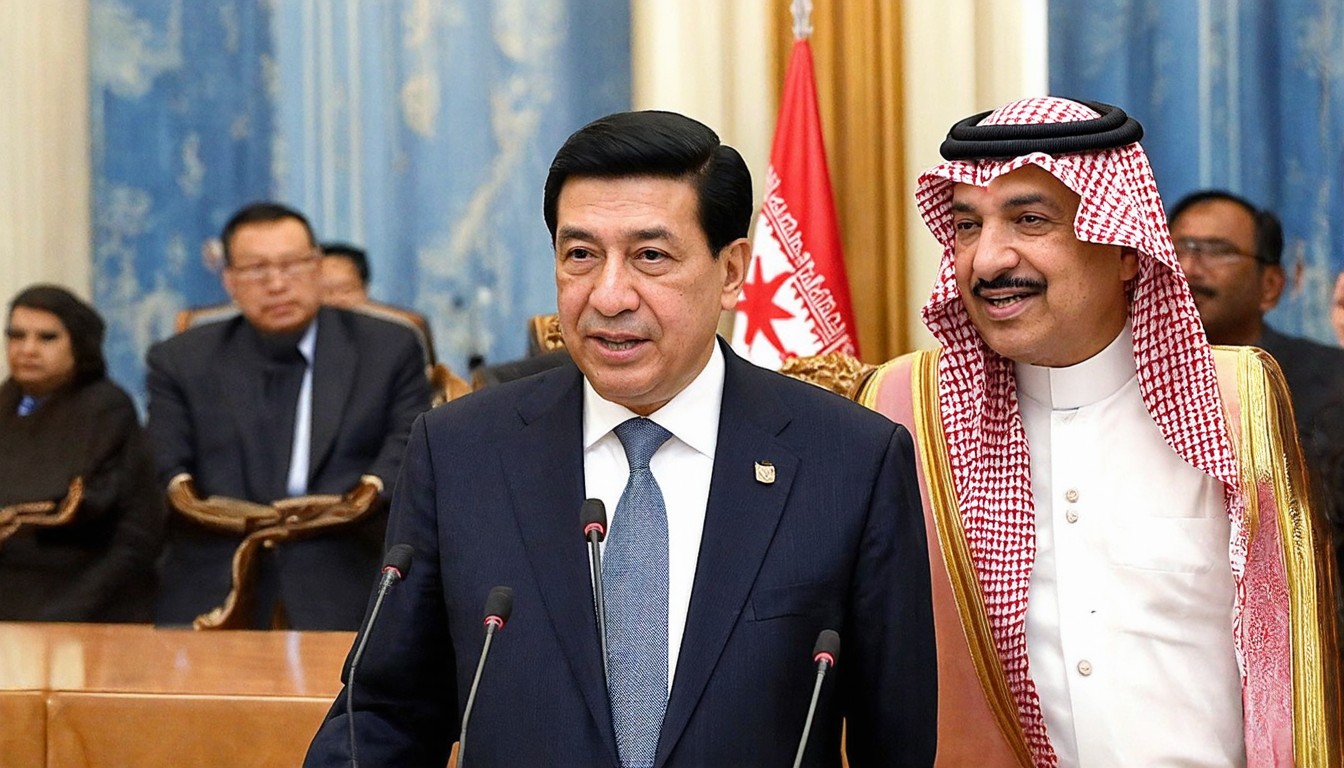
Southeast Asian leaders have called for restraint and diplomacy in the wake of the escalating tensions in the Middle East, particularly amid the ongoing conflict involving Iran. As the situation in the region intensifies, the voices of regional leaders have grown louder, emphasizing the need for dialogue and peaceful resolution.
The Philippines, under President Ferdinand Marcos Jr., has emerged as a vocal advocate for the United Arab Emirates (UAE) in the midst of the crisis. Marcos's support for the UAE stems from longstanding diplomatic ties and economic interests between the two nations. The Philippines has historically relied on the UAE for tourism revenue, and the two countries share a mutual interest in promoting regional stability.
In a recent statement, Marcos emphasized the importance of the UAE's role in the Middle East and its commitment to peace. He acknowledged the complexities of the situation but urged caution, stressing that diplomatic channels should remain the primary means of addressing disputes. Marcos's stance reflects a broader trend among Southeast Asian leaders who are increasingly concerned about the potential spillover effects of the conflict on their own regions.
Other Southeast Asian nations, including Indonesia, Malaysia, and Thailand, have also weighed in on the issue, calling for a de-escalation of tensions. These leaders have emphasized the need for dialogue and multilateral cooperation to resolve the crisis peacefully. They have warned against the dangers of military escalation, which could lead to further instability and regional insecurity.
Indonesia's President Joko Widodo has been particularly vocal in his appeals for restraint. In a recent address to the Association of Southeast Asian Nations (ASEAN) leaders, Widodo urged the involved parties to engage in constructive dialogue and avoid actions that could exacerbate the situation. He reiterated Indonesia's commitment to peace and stability in the region and beyond.
Similarly, Malaysia's Prime Minister Anwar Ibrahim has called for a diplomatic approach to resolve the conflict. He has highlighted the importance of international law and the United Nations' role in mediating disputes. Anwar's comments underscore Malaysia's longstanding commitment to multilateralism and its belief in the power of diplomacy to prevent further violence.
Thailand's Prime Minister Prayuth Chan-o-cha has also expressed concerns about the situation in the Middle East. In a recent statement, he urged all parties to exercise restraint and avoid actions that could lead to further conflict. Prayuth's call for caution reflects Thailand's traditional policy of non-alignment and its desire to maintain good relations with all nations.
The calls for restraint and diplomacy from Southeast Asian leaders are not without context. The region has its own set of challenges, including territorial disputes in the South China Sea and internal political tensions. As such, the leaders of these nations are acutely aware of the risks associated with military confrontation and the importance of maintaining regional stability.
In addition to their regional concerns, Southeast Asian leaders are also mindful of the global implications of the conflict. The ongoing tensions in the Middle East have the potential to disrupt global energy markets and affect economies worldwide. By advocating for diplomatic solutions, these leaders are not only seeking to protect their own interests but also contributing to a more stable and predictable international environment.
Despite the unified front of Southeast Asian leaders, there are underlying differences in their approaches to the crisis. While some, like the Philippines, have explicitly supported the UAE, others have taken a more neutral stance. This divergence in views highlights the complexities of regional diplomacy and the need for careful navigation of competing interests.
In conclusion, the Southeast Asian leaders' calls for restraint and diplomacy in the face of the Iran war reflect a shared commitment to peace and stability. Their voices are a reminder of the region's growing influence on the global stage and its ability to contribute to international efforts to resolve conflicts peacefully. As the situation in the Middle East continues to evolve, the region's leaders will likely remain vigilant, advocating for dialogue and cooperation to prevent further escalation and ensure a more secure future for all.









