
Mamata Banerjee and ‘Islamic sentiments’: Electoral Strategy or Political Polarisation in Bengal?
As West Bengal approaches a crucial electoral contest, the debate around Mamata Banerjee’s political messaging has intensified, particularly regarding allegations that she is appealing to Islamic sentiments to consolidate voter support. The issue has become a focal point of political discourse, with supporters defending her outreach as inclusive politics, while critics argue it reflects a […] The post Mamata Banerjee and ‘Islamic sentiments’: Electoral Strategy or Political Polarisation in Bengal? appeared first on Tfipost.com .
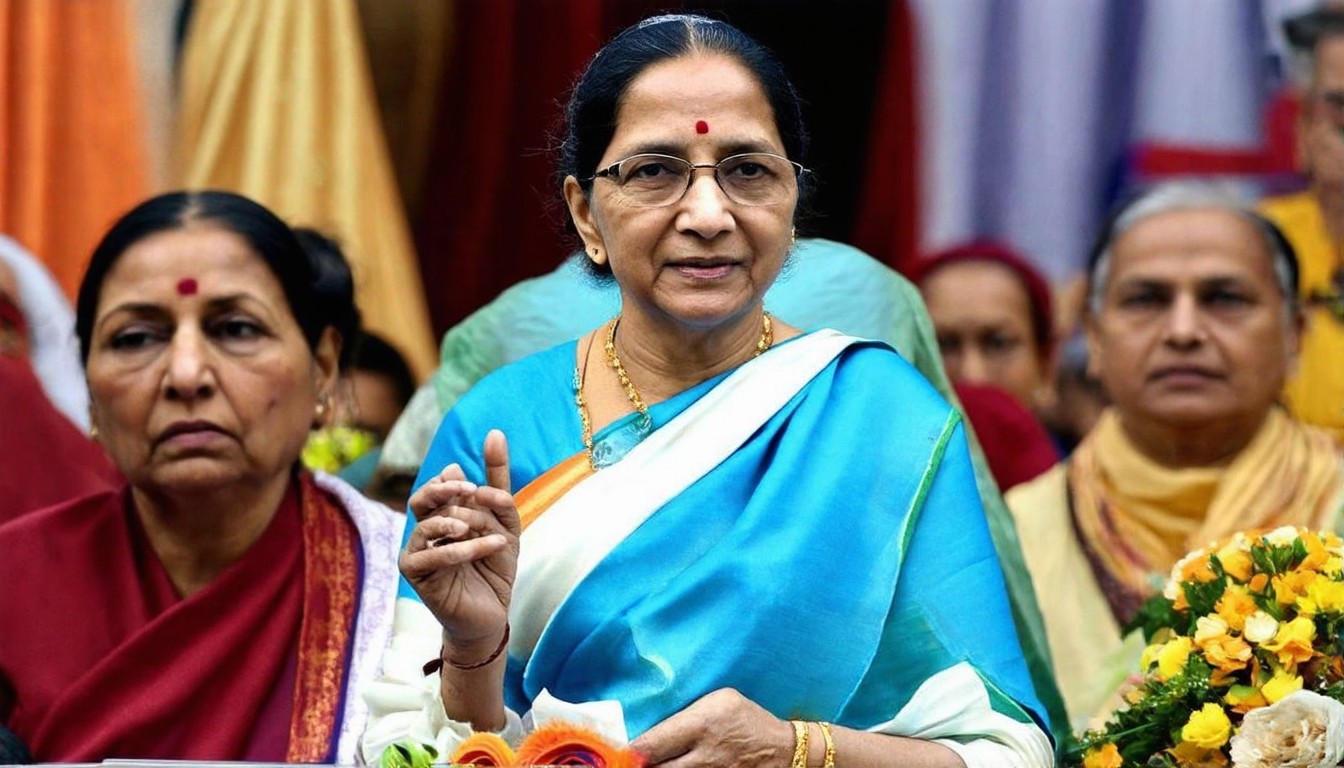
As West Bengal gears up for a pivotal electoral contest, the political landscape is increasingly dominated by debates surrounding Mamata Banerjee’s messaging, particularly her alleged appeals to Islamic sentiments to secure voter support. This issue has become a central topic of discussion, with supporters of the Trinamool Congress (TMC) defending Banerjee’s outreach as inclusive politics, while critics argue that it reflects a calculated strategy aimed at exploiting religious sentiments.
The controversy has its roots in speeches delivered by Banerjee during campaign rallies, where she has launched sharp critiques of the Bharatiya Janata Party (BJP). In one such rally, she warned voters that if her party were not re-elected, the BJP would “bury the Bengali language” and disrupt the social fabric of the state. She further described the BJP as “satanic” and urged voters to support the TMC to prevent political and cultural upheaval. These remarks, according to critics, are framed in a way that seeks to influence Islamic sentiments, particularly in districts with significant Muslim populations.
The debate over Islamic sentiments has intensified due to Banerjee’s past use of religious terminology. At an Eid gathering earlier in the year, she used the word “kafir” and later invoked “jihad” in a political context, explaining that the term was meant as a metaphor for protest. While Banerjee’s supporters argue that these statements were misinterpreted or taken out of context, political opponents have seized on them to criticize her for blurring the line between religion and politics.
Critics, particularly from the BJP, have accused the TMC of pursuing “appeasement politics.” They claim that invoking Islamic sentiments is part of a broader strategy aimed at consolidating minority votes in key constituencies. This narrative has been amplified in the run-up to elections, with critics alleging that Banerjee’s rhetoric is designed to appeal to Muslim voters in a state where religious identity plays a significant role in political affiliations.
Supporters of the TMC counter these accusations by emphasizing Banerjee’s record of inclusive governance and her efforts to promote secularism. They argue that her criticisms of the BJP are rooted in her concerns about the party’s perceived threats to Bengal’s cultural and linguistic identity, rather than a deliberate attempt to exploit religious sentiments.
The debate over Mamata Banerjee’s political messaging is not only a reflection of her electoral strategy but also a symptom of the growing polarization in Bengal’s political landscape. As the electoral contest approaches, the stakes are high, and the question of whether Banerjee’s outreach is a genuine expression of inclusive politics or a calculated move to polarize the electorate remains unanswered. The outcome of this contest will likely have lasting implications for the state’s political trajectory and the broader national debate over the role of religion in politics.









