
Malfunction Stalls Robotaxis in Middle of Traffic in China
The exact number of cars involved remains unclear, and police are still working to determine the reason behind the malfunction.
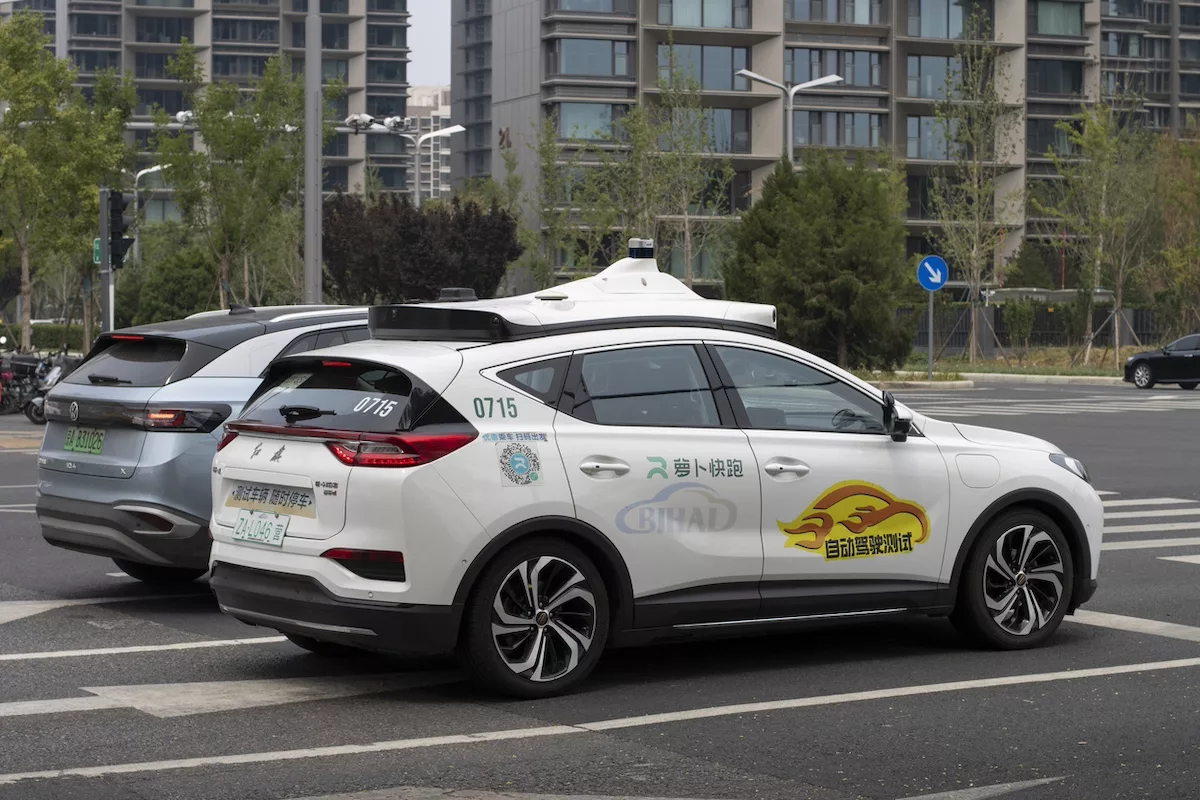
In a bizarre and unprecedented event, a group of autonomous robotaxis came to a sudden halt in the middle of a bustling Chinese highway, causing chaos and confusion among drivers and prompting an investigation into the cause of the malfunction. The exact number of vehicles involved remains unclear, with initial reports suggesting anywhere from five to ten robotaxis stalled in the left lane of the Shenzhen-Hong Kong Expressway.
The incident occurred around 10 a.m. local time, when the robotaxis, operated by a leading Chinese tech company, were cruising at a moderate speed. Witnesses described the scene as surreal, with the autonomous vehicles simply stopping in unison without any apparent reason. Traffic quickly came to a standstill, as confused drivers attempted to navigate around the stalled robotaxis. Several minor collisions occurred as drivers swerved to avoid the unexpected obstacles.
Police and emergency services were quickly dispatched to the scene, and traffic officials worked tirelessly to reroute vehicles and clear the congestion. The robotaxis were eventually towed away, but not before causing significant delays for commuters and disrupting the flow of traffic for hours.
The company responsible for the robotaxis has issued a statement expressing regret for the inconvenience caused and assuring the public that they are conducting a thorough investigation into the malfunction. They emphasized that safety is their top priority and that this type of incident is extremely rare.
Experts in autonomous vehicle technology have been consulted, and some speculate that the malfunction could be due to a software glitch, a communication issue with the central control system, or even an external interference. However, without concrete evidence, these theories remain speculative.
This incident has raised questions about the reliability and safety of autonomous vehicles, particularly in densely populated urban areas. Critics argue that such technology is not yet fully developed and may pose significant risks to public safety. Supporters of autonomous vehicles, on the other hand, point to the potential benefits, such as reduced traffic congestion and fewer human errors, and argue that this isolated incident should not tarnish the overall reputation of the technology.
As the investigation continues, authorities are expected to release more details about the cause of the malfunction. In the meantime, the incident serves as a stark reminder of the challenges and uncertainties associated with the rapid development and deployment of autonomous vehicle technology. The future of robotaxis and their integration into the global transportation network now hangs in the balance, as stakeholders grapple with the need for robust safety measures and the potential risks involved.








