Malda Unrest: NIA's Preliminary Findings Suggest Protests May Have Been 'Pre-Planned' | Exclusive
The NIA’s focus is on identifying whether there was a planned mobilisation, who was involved, and what the underlying motive may have been
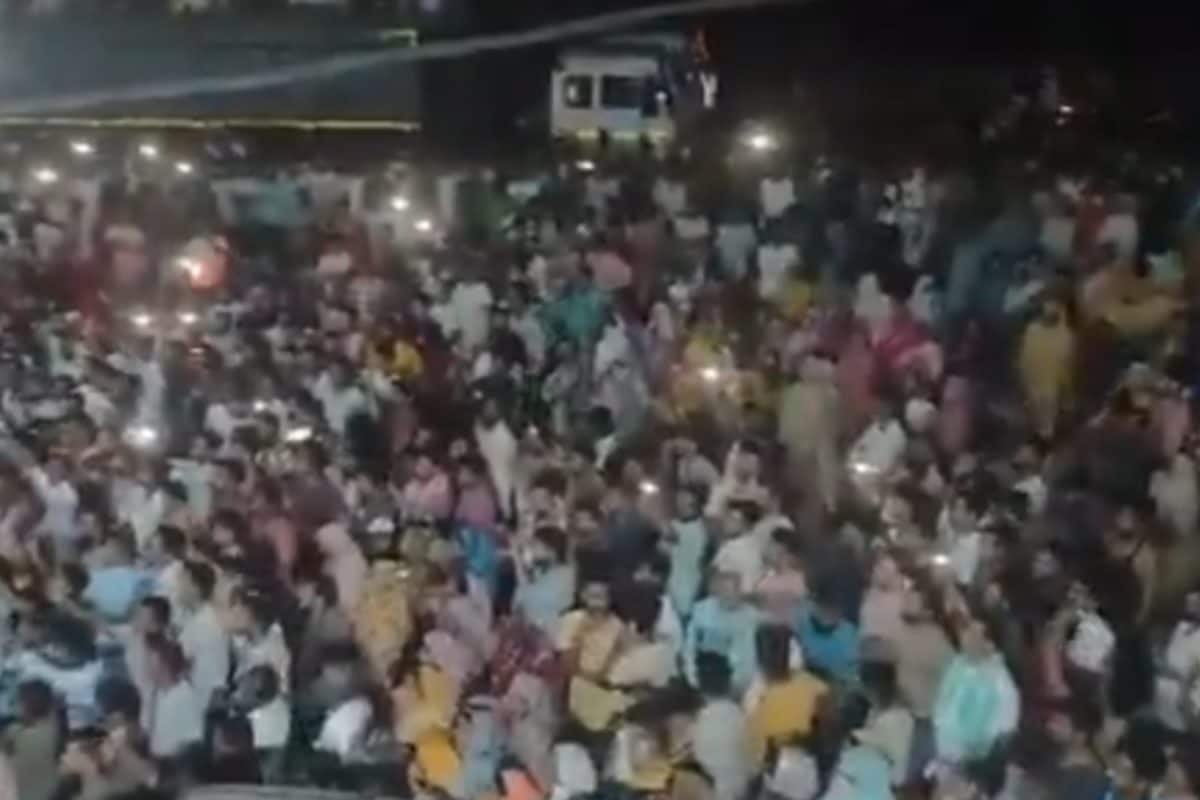
In the aftermath of the recent unrest in Malda, the National Investigation Agency (NIA) has begun releasing preliminary findings that suggest the protests may have been pre-planned. This development has raised questions about the extent of the unrest and the involvement of various groups. The NIA's focus is on identifying whether there was a planned mobilisation, who was involved, and what the underlying motive may have been.
The unrest in Malda began on the evening of August 15th, when a group of protesters gathered outside the Malda district headquarters. The protests quickly escalated, leading to clashes between the protesters and security forces. The situation remained tense for several days, with reports of property damage and occasional violence. The NIA was called in to investigate the incidents, and their preliminary findings have now been made public.
According to the NIA, there are indications that the protests were not spontaneous but rather pre-planned. This suggests that there may have been a coordinated effort to mobilise people and bring about the unrest. The agency is currently working to identify the individuals and groups responsible for organising the protests. It is believed that the unrest was driven by a mix of political and social factors, but the exact motive is still unclear.
One of the key areas of focus for the NIA is to determine the extent of the planning that went into the protests. This includes examining communication channels, social media activity, and any other evidence that might point to a pre-planned operation. The agency is also looking into the possible involvement of political parties, religious groups, or other organisations that may have had a vested interest in the unrest.
The NIA's findings have raised concerns among local authorities and the general public. Many are asking why the unrest occurred and who benefited from it. There are also questions about the role of external factors in the unrest, such as political interference or ideological motivations. The NIA is working closely with local law enforcement agencies to gather more information and piece together the events that led to the unrest.
In addition to investigating the protests, the NIA is also looking into the underlying causes of the unrest. This includes examining the socio-economic conditions in Malda and the broader political landscape. The agency is trying to understand whether the unrest was a reflection of long-standing grievances or if it was triggered by a specific event.
The preliminary findings from the NIA have been met with mixed reactions. Some have welcomed the agency's investigation and called for transparency in the process. Others have expressed concerns about the potential impact of the findings on the region's stability and the possibility of further unrest.
As the investigation continues, the NIA is expected to release more information about the protests and the people involved. This will likely shed more light on the events that took place in Malda and help to prevent similar incidents in the future. The agency's findings will also be crucial in determining whether any legal action is necessary and in holding those responsible accountable.
In conclusion, the preliminary findings from the NIA suggest that the unrest in Malda may have been pre-planned, raising questions about the extent of the mobilisation, the people involved, and the underlying motive. The agency is working diligently to uncover the truth and bring those responsible to justice. The situation in Malda serves as a reminder of the importance of addressing underlying issues and promoting stability in regions that are prone to unrest. As the investigation progresses, it will be important to monitor the situation closely and ensure that the findings are handled responsibly and transparently.