
Malaysians must understand impact of Middle East conflict, says Anwar
He reminded them not to be too comfortable and assume that all is well.
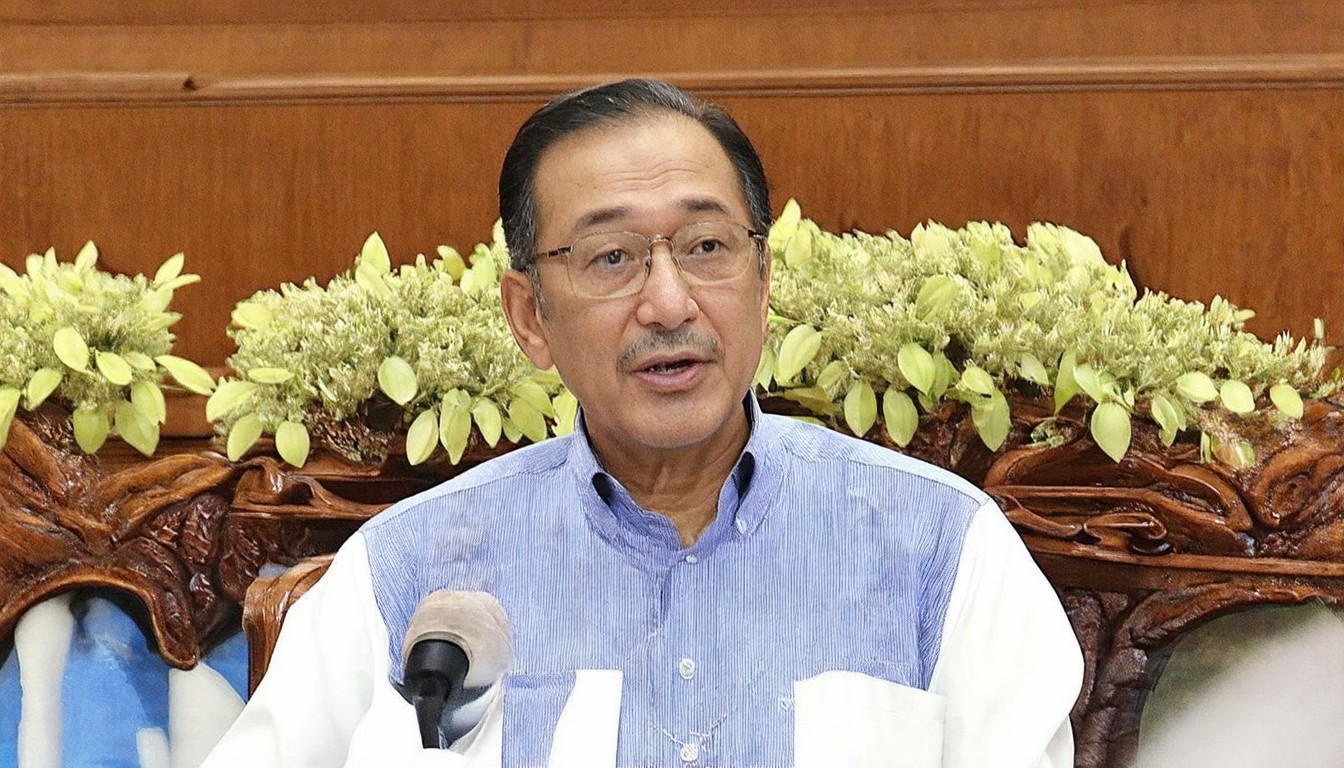
In a recent address to the public, Malaysian Prime Minister Anwar Ibrahim emphasized the importance of Malaysians understanding the far-reaching impact of the Middle East conflict. He warned against complacency, urging citizens not to assume that the ongoing tensions in the region would not affect them.
Anwar began by highlighting the complexities of the Middle East conflict, which has been a source of instability and unrest for decades. He noted that while the region's issues may seem distant to Malaysians, they are deeply interconnected with global affairs, including energy prices, trade routes, and geopolitical dynamics. The prime minister stressed that Malaysia, as a member of ASEAN and a significant player in the global economy, cannot afford to ignore these developments.
"We must not be too comfortable and assume that all is well," Anwar cautioned. "The Middle East conflict has the potential to reshape the world order, and its repercussions extend far beyond the region." He explained that the conflict has led to significant shifts in global energy markets, with oil and gas prices fluctuating unpredictably. This, in turn, affects Malaysia's economy, which is heavily reliant on exports and global trade.
Anwar also discussed the impact of the conflict on trade routes. He pointed out that the Strait of Hormuz, a crucial chokepoint for global oil shipments, is located in the vicinity of the Middle East. Any disruption in this region could lead to increased shipping costs and delays, affecting Malaysia's trade partners and businesses. The prime minister urged Malaysians to recognize that the stability of the Middle East is essential for the security and prosperity of their own nation.
Furthermore, Anwar addressed the humanitarian aspects of the conflict. He acknowledged that the ongoing tensions have caused widespread suffering and displacement, with millions of people forced to flee their homes. He called for solidarity and support for the affected populations, emphasizing that Malaysia, as a multicultural and compassionate society, has a responsibility to help.
The prime minister also touched upon the geopolitical implications of the conflict. He warned that the instability in the Middle East could lead to an arms race or increased tensions between major powers, posing risks to global security. Anwar stressed the importance of diplomacy and international cooperation in addressing the complex challenges posed by the conflict.
In conclusion, Anwar Ibrahim urged Malaysians to stay informed and engaged about the Middle East conflict. He called for a more proactive approach to understanding the interconnectedness of global issues and the need for Malaysia to play a role in shaping a more stable and peaceful world. The prime minister's message was clear: complacency is not an option, and the consequences of the Middle East conflict could have far-reaching effects on Malaysia and the world at large.
As the conflict in the Middle East continues to evolve, Malaysians must remain vigilant and informed. By understanding the complexities of the situation and the potential impacts on their country, citizens can contribute to a more informed and engaged society. Anwar's call for awareness and action serves as a reminder that the well-being of Malaysia is intrinsically linked to the stability and peace of the global community.








