
Malaysia Airlines seeks hub role for Kuala Lumpur
Malaysia Airlines is banking on Kuala Lumpur as an aviation hub, competing with Bangkok and Singapore in Southeast Asia by connecting the region to medium- and long-haul destinations as it adds three new routes in China and Japan to capture strong demand.
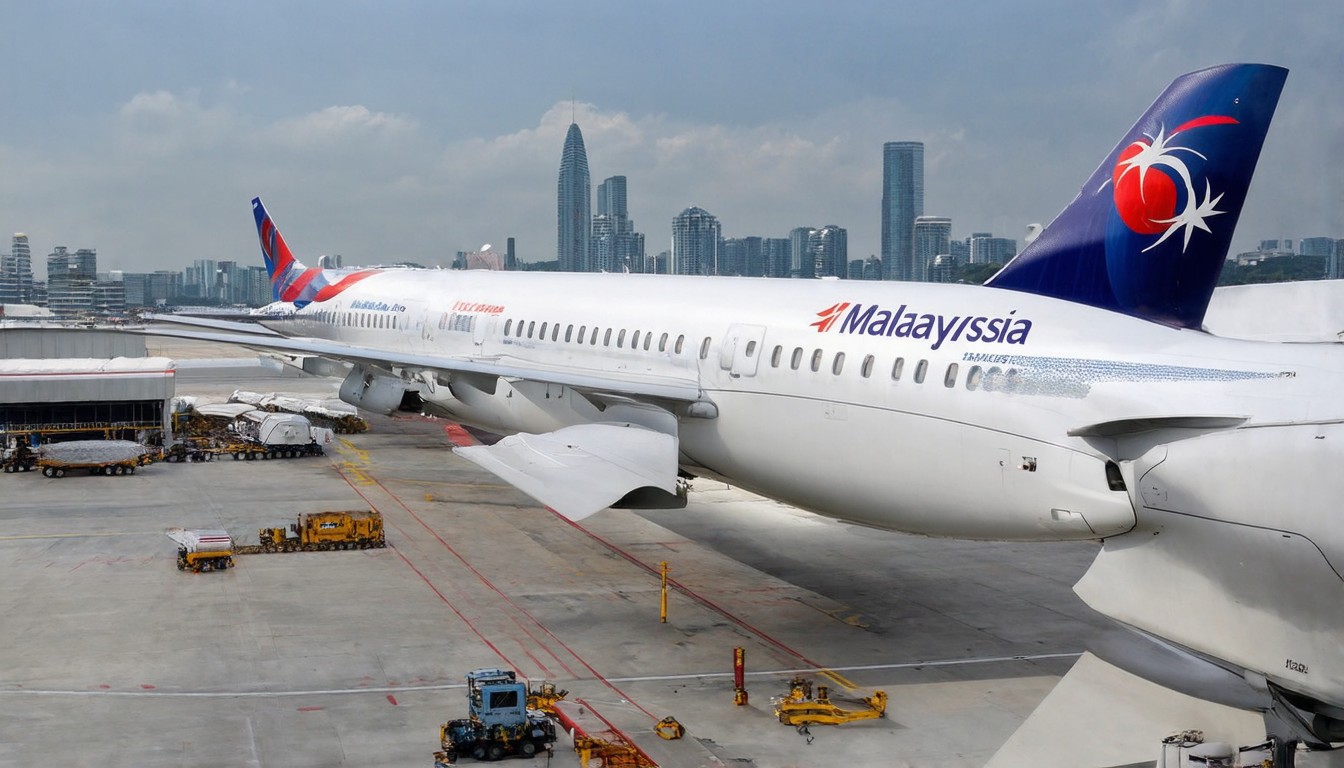
Malaysia Airlines is positioning Kuala Lumpur as a major aviation hub in Southeast Asia, aiming to challenge established players like Bangkok and Singapore. The airline's strategy revolves around enhancing its connectivity between the region and medium- and long-haul destinations, particularly in Asia, to capitalize on growing demand.
The move comes as Malaysia Airlines expands its network by adding three new routes in China and Japan. These new connections are expected to strengthen the airline's presence in the region and provide passengers with more options for travel. By focusing on Kuala Lumpur, Malaysia Airlines is leveraging the city's strategic location as a gateway between Southeast Asia and the wider Asian market.
The competition in Southeast Asia's aviation sector is fierce, with Bangkok and Singapore already established as major hubs. However, Malaysia Airlines believes that Kuala Lumpur's potential has been underutilized. The airline is investing in infrastructure improvements and enhancing its services to make the city a more attractive destination for both leisure and business travelers.
One of the key factors driving this strategy is the growing demand for travel between Southeast Asia and medium- and long-haul destinations. As economies in the region continue to expand, business travel is on the rise, and leisure travelers are seeking new destinations. Malaysia Airlines is capitalizing on this trend by offering direct flights from Kuala Lumpur to major cities in China and Japan, which are popular destinations for both business and tourism.
The addition of new routes to China and Japan is also part of a broader strategy to diversify Malaysia Airlines' operations. By expanding its network in these markets, the airline is looking to tap into the strong demand for travel between these regions and Southeast Asia. This will not only help Malaysia Airlines to increase its revenue but also position Kuala Lumpur as a key transit point for passengers traveling between these areas.
In addition to the new routes, Malaysia Airlines is also focusing on enhancing its passenger experience at Kuala Lumpur's main airport, Kuala Lumpur International Airport (KLIA). The airline is working closely with the airport authority to improve facilities, increase the frequency of flights, and offer more comfortable seating options. These improvements are aimed at making Kuala Lumpur a more appealing hub for passengers, both locally and internationally.
The airline's ambition to make Kuala Lumpur a major aviation hub is not without challenges. Established competitors like Bangkok and Singapore have a strong presence in the region, and it will be a tough battle to gain market share. However, Malaysia Airlines is confident that its strategic investments and focus on connectivity will help it succeed.
As the airline continues to expand its network and improve its services, it remains committed to promoting Kuala Lumpur as a premier aviation hub in Southeast Asia. By connecting the region to medium- and long-haul destinations, Malaysia Airlines is not only enhancing its own operations but also contributing to the economic growth of Malaysia and the wider Southeast Asian region.
In conclusion, Malaysia Airlines' pursuit of a hub role for Kuala Lumpur is a bold move aimed at challenging the status quo in Southeast Asia's aviation sector. With the addition of new routes to China and Japan, as well as investments in infrastructure and services, the airline is positioning itself to capitalize on the growing demand for travel between the region and major Asian destinations. While the competition is fierce, Malaysia Airlines' strategy is focused on leveraging Kuala Lumpur's strategic location and enhancing connectivity to secure its place as a leading aviation hub in the years to come.









