
Maíz y soja transgénicos impulsan el impulso de Cuba para aumentar la producción de granos
Cuba mantiene una fuerte dependencia de las importaciones de maíz y soya, lo que limita la producción de piensos y el rendimiento agrícola. Aunque variedades transgénicas desarrolladas localmente muestran altos rendimientos, su expansión enfrenta obstáculos financieros y logísticos. Autoridades y productores coinciden en que estos cultivos son esenciales para reducir importaciones, fortalecer la soberanía alimentaria y asegurar el abastecimiento de alimento animal. The post Maíz y soja transgénicos impulsan el impulso de Cuba para aumentar la producción de granos appeared first on Seed World .
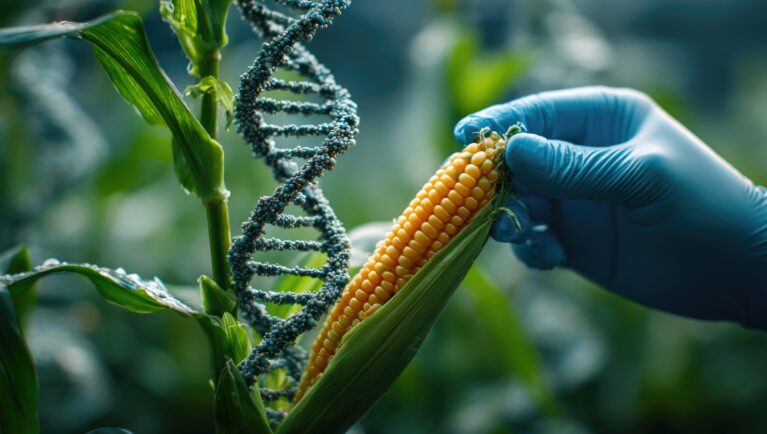
Cuba's dependence on imported corn and soybeans continues to limit both feed production and agricultural output, despite growing evidence of the potential of domestic crops. At the Leopoldo Reyes Feed Factory in San Cristóbal, Artemisa, production recently reached just 34 tons of animal feed per day, far below its installed capacity of 300 tons. According to director Michel Ravelo Herrera, the feed supplied to pig and poultry farms in western Cuba is almost entirely made from imported corn and soybeans, which limits incentives for local production. Experts agree that expanding domestic grain cultivation is essential. "Although we are a purely agricultural country, we have always imported around 350,000 tons of soybeans and 800,000 tons of corn annually," said Dr. Mario Pablo Estrada García, director of Agricultural Research at the Center for Genetic Engineering and Biotechnology (CIGB). He noted that Cuban scientists developed transgenic varieties of corn and soybeans in 2020 that significantly improve yields and resistance to climate stress and pests. At the CIGB, efforts are underway to increase seed production. The center is multiplying seeds of five registered soybean varieties and the parent lines of the transgenic corn hybrid H-Ame15. In Sancti Spíritus, where these crops have been tested for several years, 720 hectares have been authorized for planting, although only about half are currently being cultivated due to resource shortages, according to a press release. Farmers report strong yields in their plots. Farmers in Sancti Spíritus, Yaguajay, and La Sierpe report yields of 4 to 6 tons per hectare with transgenic corn, far above traditional varieties, even with limitations of drought and irrigation. In Villa Clara, alliances between farmers and researchers are helping to promote the adoption of these crops. The transgenic varieties not only offer higher yields but also provide better resistance to pests and diseases, which can significantly reduce the need for chemical inputs. However, the expansion of these crops faces financial and logistical challenges. The cost of producing transgenic seeds and the infrastructure needed to support large-scale cultivation are barriers that need to be addressed. Authorities and producers agree that these crops are essential for reducing imports, strengthening food sovereignty, and ensuring food supply for livestock. The potential benefits of transgenic corn and soybeans for Cuba's agricultural sector are significant, but it will require sustained investment and collaboration to overcome the obstacles and maximize their impact. As the country works to diversify its agricultural base and reduce its reliance on imports, the development and adoption of transgenic crops represent a promising step toward achieving food security and economic stability.








