Maharashtra: Two traders booked in Dhule for selling banned Pakistani products
In a crackdown on illegal imports, two traders in Dhule, Maharashtra, were arrested for selling banned Pakistani cosmetic products.
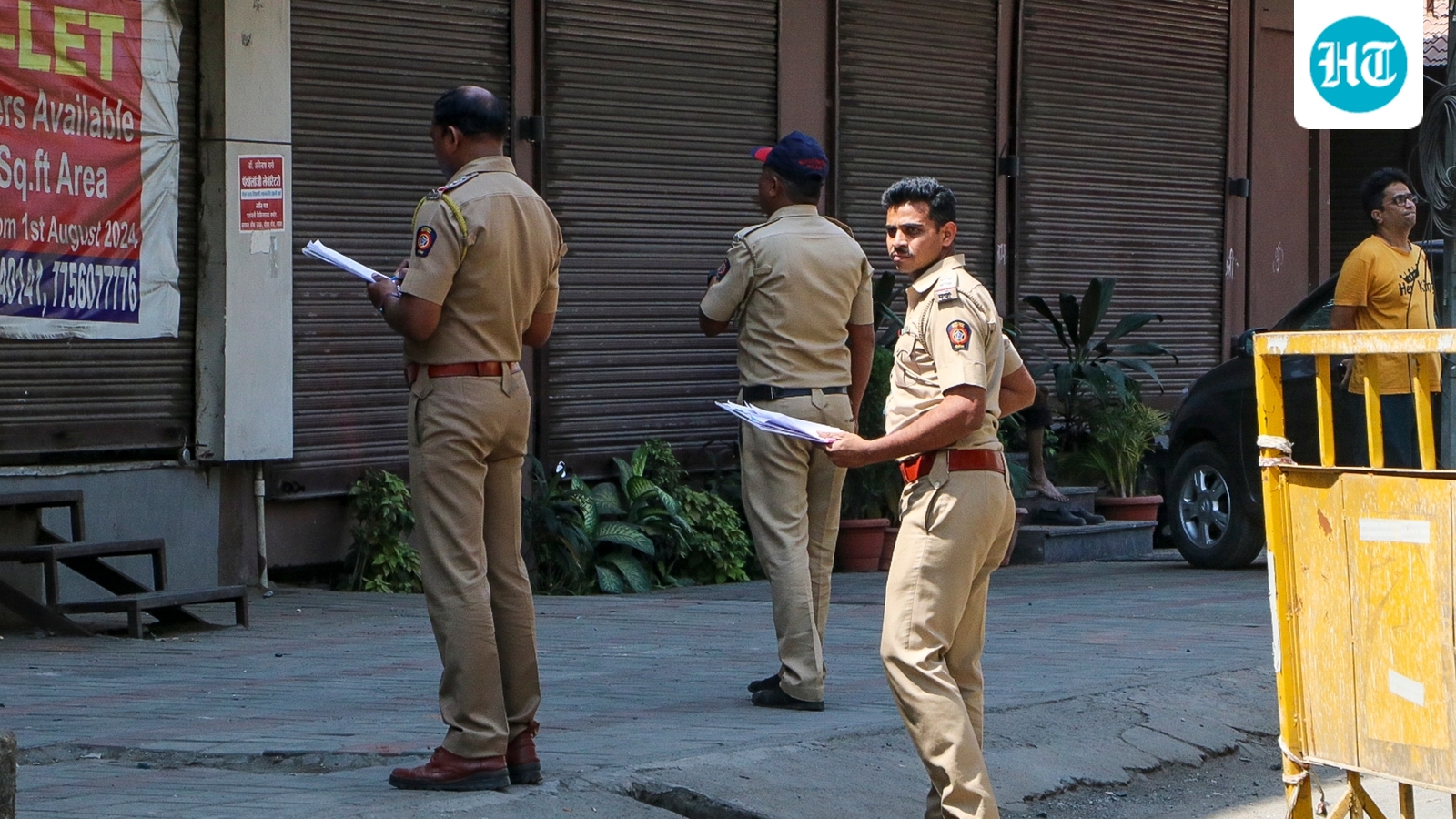
In a recent development underscoring the ongoing efforts to curb illegal imports, two traders in Dhule, Maharashtra, were arrested for selling banned Pakistani cosmetic products. This incident highlights the persistent challenges faced by authorities in enforcing trade regulations and protecting domestic markets from unauthorized goods.
The enforcement action took place as part of a larger operation by Maharashtra's revenue department and other relevant agencies. The operation targeted traders suspected of importing and distributing products that are prohibited under Indian trade laws. The two traders, identified as Rajendra Kulkarni and Sanjay More, were apprehended after authorities raided their premises and discovered a stockpile of Pakistani cosmetics, including face creams, lipsticks, and hair care products.
Upon inspection, it was found that these cosmetics did not meet the quality standards set by the Indian government and were listed as banned goods. The traders were accused of knowingly importing and selling these products, which posed risks to consumer health and undermined the local cosmetic industry.
The arrest comes at a time when the Indian government has been increasingly focused on strengthening its trade policies to protect domestic industries and consumers. In recent years, there has been a surge in cases of illegal imports, particularly from neighboring countries like Pakistan, leading to concerns over the safety of these products and the impact on local businesses.
The Maharashtra revenue department has been actively involved in monitoring and regulating the trade of goods across the state's borders. This operation is part of a broader initiative to combat illegal imports and ensure that only authorized goods enter the market. The department has been working closely with other state and central agencies to enhance border security and improve the efficiency of customs checks.
The arrest of the two traders in Dhule serves as a deterrent to others who may be tempted to engage in similar illicit activities. Authorities have emphasized that they will continue to enforce strict measures against those who violate trade regulations and endanger public health.
The local cosmetic industry has welcomed this enforcement action, as it aims to create a level playing field for legitimate businesses. Many Indian manufacturers have been struggling to compete with cheaper, but potentially unsafe, imports from neighboring countries. By cracking down on illegal trade, the government hopes to protect both consumers and domestic producers.
However, the issue of illegal imports is not unique to Maharashtra. Similar challenges are faced across the country, with states like Gujarat, Punjab, and West Bengal also reporting cases of banned goods being smuggled into the country. This has led to calls for a more coordinated national approach to address the problem, involving stricter border controls, improved intelligence sharing, and enhanced regulatory frameworks.
The case of the two traders in Dhule also raises questions about the role of intermediaries and the complexity of supply chains in facilitating illegal trade. It is often the case that goods are imported through multiple layers of traders, making it difficult for authorities to trace the origin of the products and identify those responsible for the violations.
To combat this, there is a growing push for the implementation of traceability systems and the use of technology to monitor and regulate trade more effectively. The Indian government has been exploring the possibility of introducing electronic systems to track goods and improve the efficiency of customs procedures.
In conclusion, the arrest of the two traders in Dhule is a significant step in the ongoing battle against illegal imports and the sale of banned goods. It underscores the need for continued vigilance and enforcement action to protect consumers and domestic industries. As the government and relevant agencies work to strengthen their efforts, it remains crucial to strike a balance between promoting trade and ensuring the safety and quality of the products that reach Indian consumers.