Mumbai's 150-Acre Media Hub: Maharashtra Govt & Prasar Bharati
A significant initiative is underway in Mumbai as the Maharashtra government and Prasar Bharati plan an Integrated Film and Television Media Hub across 150 acres in Malad, poised to reshape India's entertainment landscape.
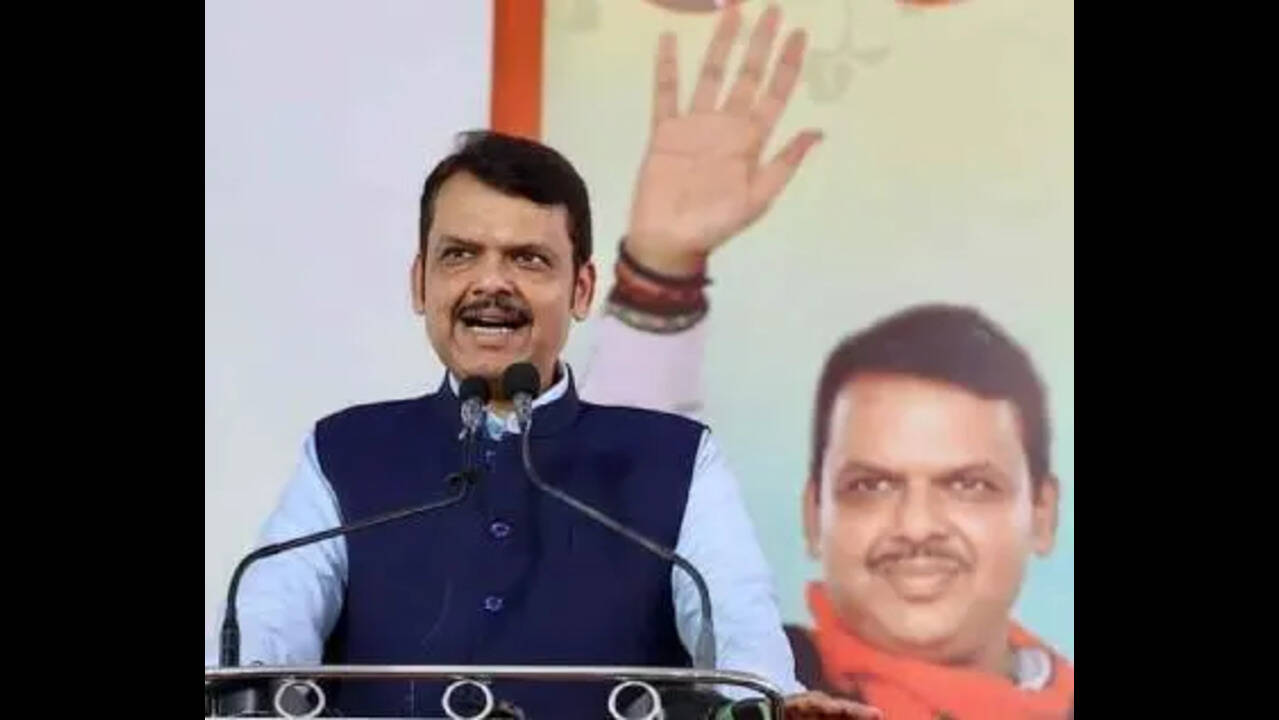
Mumbai, the undisputed heart of India's vibrant entertainment industry, is poised for a significant transformation with the proposed development of an Integrated Film and Television Media Hub. This ambitious project, a collaborative effort between the Maharashtra government and Prasar Bharati, is envisioned to consolidate and elevate the city's standing as a global creative powerhouse. Spanning an expansive 150 acres of land owned by Prasar Bharati in the Malad area, the hub aims to create a comprehensive ecosystem for film and television production, fostering innovation, skill development, and economic growth within the sector.
The initiative underscores Mumbai's enduring legacy as the nerve centre of Indian cinema and television. For decades, the city has been synonymous with storytelling, attracting talent and investment from across the nation and beyond. This new hub, as outlined by the involved parties, seeks to build upon that rich history by providing state-of-the-art infrastructure and a synergistic environment designed to meet the evolving demands of the modern media landscape. The sheer scale of the project, encompassing 150 acres, suggests a vision for a truly expansive and all-encompassing facility.
Central to the execution of this monumental project is the formation of a Special Purpose Vehicle (SPV). This collaborative entity is designed to bring together diverse stakeholders, ensuring a holistic approach to the hub's development and operation. The SPV's proposed composition is particularly noteworthy, including representatives from the state government, major film and television studios, the information technology (IT) sector, the tourism industry, and dedicated training institutions. This multi-faceted partnership is intended to ensure that the hub serves as a dynamic and responsive centre for media excellence.
The involvement of the state government within the SPV highlights the strategic importance placed on this project for Maharashtra's economic and cultural agenda. Its role would likely encompass facilitating necessary approvals, providing policy support, and ensuring the project aligns with broader developmental goals. The inclusion of film and television studios is crucial, as their direct input will ensure the hub is equipped with facilities and services that genuinely meet the practical needs of content creators, from pre-production to post-production. This direct industry participation is expected to make the hub a truly functional and desirable destination for media projects.
Furthermore, the integration of the information technology sector into the SPV reflects the increasing convergence of technology and media. Modern film and television production relies heavily on digital tools, advanced visual effects, data management, and distribution platforms. The IT component is expected to drive technological innovation within the hub, ensuring it remains at the forefront of digital media trends and provides cutting-edge infrastructure for content creation and delivery in an increasingly digital world. This foresight is critical for the long-term relevance and competitiveness of the hub.
The focus on tourism within the SPV suggests a broader vision for the hub beyond just production. Media hubs often become attractions in themselves, drawing visitors interested in the magic of filmmaking, studio tours, and related cultural experiences. This could potentially boost local tourism, creating additional revenue streams and enhancing Mumbai's appeal as a cultural destination. Such integration could also foster ancillary businesses, from hospitality to retail, further contributing to the local economy and creating a vibrant surrounding ecosystem.
Equally vital is the inclusion of training institutions in the SPV. The media industry is constantly evolving, requiring a continuous supply of skilled professionals adept at new technologies and creative methodologies. By integrating training directly into the hub's framework, the project aims to establish a robust pipeline for talent development, offering vocational courses, workshops, and academic programmes tailored to the industry's needs. This commitment to education and skill enhancement is expected to nurture the next generation of filmmakers, technicians, and artists, ensuring a sustainable future for Indian media.
While the vision for the Integrated Film and Television Media Hub is clearly ambitious and promising, the project is currently awaiting necessary approvals. Large-scale infrastructure developments of this nature typically involve a complex web of regulatory clearances, environmental assessments, and land use permissions from various governmental bodies. The "approvals pending" status indicates that these crucial procedural steps are underway, and their successful navigation will be key to the project's progression from concept to reality. Stakeholder engagement and meticulous planning are paramount during this phase to ensure a smooth and efficient rollout.
Once operational, the hub is expected to offer a myriad of benefits. It could serve as a centralized location for production houses, post-production facilities, sound stages, animation studios, and media technology companies, thereby streamlining operations and fostering greater collaboration. The consolidation of resources and talent in one dedicated space is anticipated to enhance efficiency, reduce production costs, and ultimately elevate the quality of content produced in India, making it more competitive on the international stage.
In essence, the proposed Integrated Film and Television Media Hub in Malad represents a forward-thinking strategic investment in India's creative economy. By bringing together government support, industry expertise, technological prowess, tourism potential, and a commitment to skill development under one collaborative SPV, the project aims to solidify Mumbai's position as a leading global centre for media production and innovation. The anticipation surrounding its final approvals reflects the widespread hope that this initiative will usher in a new era of growth and excellence for the Indian film and television industry.