Madhya Pradesh Groom, Bride Assaulted By Wedding Guests For Not Serving Alcohol
Mahesh Jatav was getting married when his neighbours demanded that they be served liquor during the wedding, leading to a dispute that later turned violent.
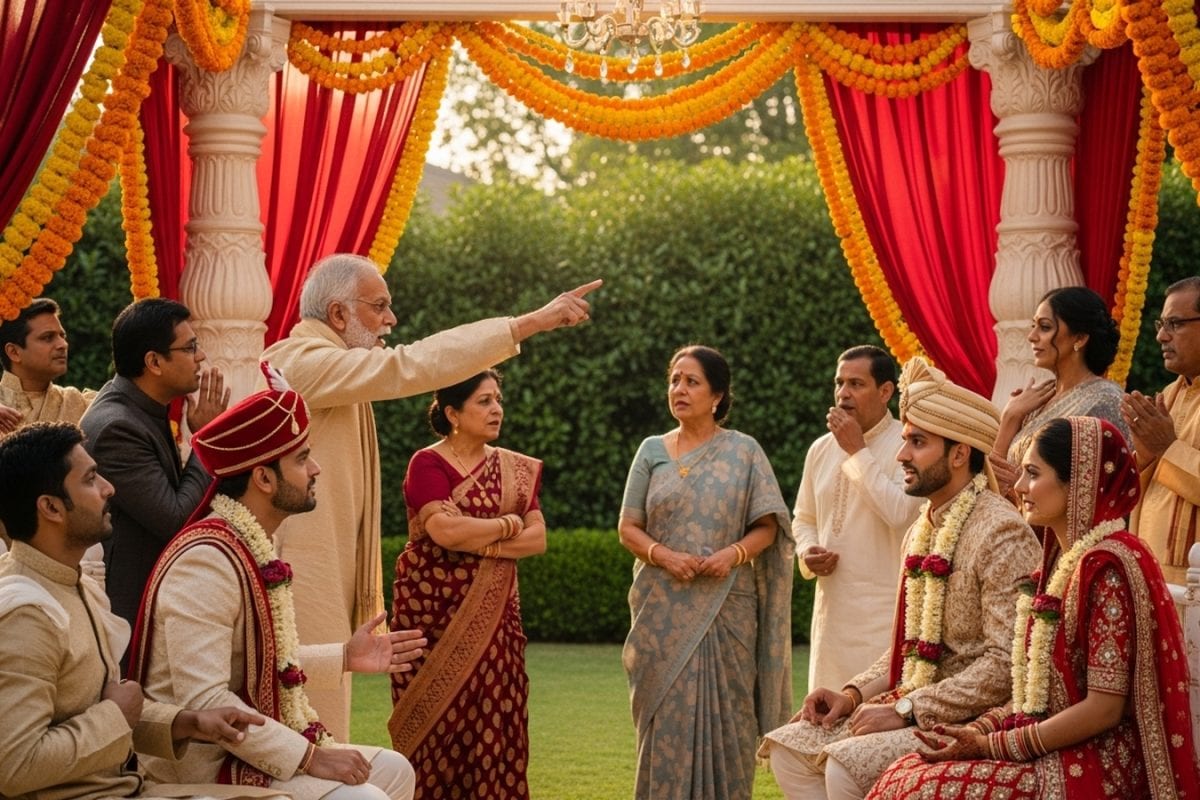
In a harrowing incident that has sent shockwaves through the small village of Jhaparwa in Madhya Pradesh, a bride and groom were brutally assaulted by wedding guests who demanded alcohol during their wedding ceremony. The victim, Mahesh Jatav, had chosen to hold a dry wedding, a decision that sparked a violent confrontation that left both him and his bride, Manju, severely injured.
The wedding, which was set to be a joyous occasion, took a dark turn when neighbours and guests began to voice their discontent over the lack of alcohol. Traditional Indian weddings often involve heavy consumption of alcohol, and the absence of it at Mahesh and Manju's wedding was seen as a personal affront by some. Tensions escalated rapidly as the guests, numbering around 200, demanded that the couple serve them liquor.
Mahesh and Manju, however, had made a conscious decision to hold a dry wedding, citing personal and religious reasons. They had informed their guests of this choice in advance, but it seemed to fall on deaf ears. As the guests grew increasingly agitated, they began to push their way into the wedding venue, demanding alcohol. The couple, fearing for their safety, tried to appease the crowd by offering alternative beverages, but this only seemed to further infuriate the guests.
The situation quickly spiraled out of control. Enraged by the refusal to serve alcohol, the wedding guests turned aggressive, hurling insults and physical blows at the couple. Mahesh and Manju, who were already in a state of distress, were forced to take refuge in a nearby room as the mob ransacked the wedding venue in search of alcohol.
The violence continued for several hours, with the couple and their family members barricading themselves in the room, desperate to escape the chaos. Neighbors and relatives of the guests joined in, turning the incident into a full-blown altercation. The couple's family members, including parents and siblings, were also targeted, with many sustaining injuries in the process.
Local police were called to the scene, but it took several hours for them to arrive. By the time they arrived, the situation had become even more volatile. The police managed to quell the violence, but not before several people, including Mahesh and Manju, had been severely injured. Both the groom and bride were taken to a nearby hospital, where they received treatment for their injuries.
The incident has left the village of Jhaparwa in a state of turmoil. Neighbors and relatives of the couple are divided, with some condemning the violent behavior of the wedding guests, while others argue that the couple should have anticipated the traditional expectations of their community. The local police are conducting an investigation into the incident, and legal action is being considered against those responsible for the assault.
This tragic event has highlighted the deep-seated cultural norms surrounding alcohol consumption in Indian weddings. While many couples choose to hold dry weddings for personal or religious reasons, the traditional expectation of alcohol can often lead to misunderstandings and conflicts. The incident serves as a stark reminder of the importance of open communication and mutual respect in ensuring the smooth running of any event, especially one as significant as a wedding.
As the village of Jhaparwa grapples with the aftermath of this violent incident, the community is faced with the difficult task of addressing the cultural attitudes that contributed to the tragedy. The assault on Mahesh and Manju not only ended their wedding day on a violent note but also underscored the need for dialogue and understanding in a society where tradition and modernity often clash.
In the days following the incident, the couple has received support from well-wishers and local activists. The hashtag #DryWeddingsAreOkay has trended on social media, with many people expressing their solidarity with Mahesh and Manju. The incident has sparked a wider conversation about the role of alcohol in Indian weddings and the importance of respecting individual choices.
The local community is now divided, with some families expressing regret over the violent behavior of their relatives, while others remain defensive. The police have warned that those found guilty of assault will face strict legal consequences. The incident has also prompted discussions about the need for better conflict resolution strategies at weddings and other community events.
As Mahesh and Manju recover from their injuries, the village of Jhaparwa faces an uphill battle to heal the rift caused by this tragic event. The assault on the couple has become a focal point for discussions about cultural change and the evolving expectations in Indian society. The incident serves as a stark reminder that, in a rapidly changing world, it is crucial to balance tradition with the need for understanding and respect for individual choices.
The aftermath of this violent incident has left the community of Jhaparwa grappling with the complexities of cultural norms and individual freedoms. As the couple begins to rebuild their lives, the village must confront the challenges posed by its deeply ingrained traditions and find a way to coexist with the changing expectations of its people. The assault on Mahesh and Manju has become a catalyst for change, prompting a reevaluation of the role of alcohol in Indian weddings and the importance of mutual respect in a diverse and evolving society.
In the wake of this tragic event, the couple has received widespread support, with many people rallying behind their decision to hold a dry wedding. The incident has sparked a broader conversation about the need for cultural sensitivity and understanding in a society where tradition and modernity often clash. As the community of Jhaparwa works to heal the wounds inflicted by this violent altercation, it faces the daunting task of bridging the gap between its deeply rooted cultural norms and the evolving expectations of its people.
The assault on Mahesh and Manju has left a lasting impact on the village of Jhaparwa, serving as a stark reminder of the importance of open dialogue and mutual respect in addressing cultural challenges. The incident has become a turning point for the community, prompting a reexamination of its traditional practices and the need for change in the face of a rapidly evolving society. As the couple begins to rebuild their lives, the village must confront the complexities of its cultural heritage and find a way to harmonize with the changing expectations of its people.
The tragic assault on Mahesh and Manju has become a focal point for discussions about cultural change and the evolving role of tradition in Indian society. The incident has highlighted the need for better conflict resolution strategies at weddings and other community events, as well as the importance of respecting individual choices in an increasingly diverse and interconnected world. As the couple recovers from their injuries, the community of Jhaparwa must work together to heal the rift caused by this violent event and find a path forward that respects both cultural traditions and individual freedoms.
The assault on Mahesh and Manju has left the village of Jhaparwa in a state of turmoil, with the community divided over the incident and its implications. The incident has become a catalyst for change, prompting a reevaluation of the role of alcohol in Indian weddings and the importance of mutual respect in a society where tradition and modernity often clash. As the couple begins to rebuild their lives, the community must confront the challenges posed by its deeply ingrained traditions and find a way to coexist with the changing expectations of its people.
The tragic event that unfolded at Mahesh and Manju's wedding has become a powerful symbol of the cultural tensions that exist in Indian society. The assault on the couple has sparked a wider conversation about the need for cultural sensitivity and understanding in addressing the complexities of tradition and modernity. As the community of Jhaparwa works to heal the wounds inflicted by this violent altercation, it faces the daunting task of bridging the gap between its deeply rooted cultural norms and the evolving expectations of its people.
The assault on Mahesh and Manju has become a focal point for discussions about the changing role of tradition in Indian society. The incident has highlighted the need for better conflict resolution strategies at weddings and other community events, as well as the importance of respecting individual choices in an increasingly diverse and interconnected world. As the couple recovers from their injuries, the community of Jhaparwa must work together to heal the rift caused by this violent event and find a path forward that respects both cultural traditions and individual freedoms.
The tragic assault on Mahesh and Manju has left a lasting impact on the village of Jhaparwa, serving as a stark reminder of the importance of open dialogue and mutual respect in addressing cultural challenges. The incident has become a turning point for the community, prompting a reexamination of its traditional practices and the need for change in the face of a rapidly evolving society. As the couple begins to rebuild their lives, the village must confront the complexities of its cultural heritage and find a way to harmonize with the changing expectations of its people.
The assault on Mahesh and Manju has become a powerful symbol of the cultural tensions that exist in Indian society. The incident has sparked a wider conversation about the need for cultural sensitivity and understanding in addressing the complexities of tradition and modernity. As the community of Jhaparwa works to heal the wounds inflicted by this violent altercation, it faces the daunting task of bridging the gap between its deeply rooted cultural norms and the evolving expectations of its people.
The tragic event that unfolded at Mahesh and Manju's wedding has become a catalyst for change, prompting a reevaluation of the role of alcohol in Indian weddings and the importance of mutual respect in a society where tradition and modernity often clash. The assault on the couple has left a lasting impact on the village of Jhaparwa, serving as a stark reminder of the importance of open dialogue and mutual respect in addressing cultural challenges. As the community works to heal the rift caused by this violent event, it must find a way to harmonize its deeply ingrained traditions with the changing expectations of its people.
In the aftermath of this tragic incident, the couple has received widespread support, with many people rallying behind their decision to hold a dry wedding. The assault on Mahesh and Manju has become a focal point for discussions about the changing role of tradition in Indian society and the need for better conflict resolution strategies at weddings and other community events. As the community of Jhaparwa works to heal the wounds inflicted by this violent altercation, it must confront the complexities of its cultural heritage and find a way to coexist with the evolving expectations of its people.
The assault on Mahesh and Manju has left a lasting impact on the village of Jhaparwa, serving as a stark reminder of the importance of open dialogue and mutual respect in addressing cultural challenges. The incident has become a turning point for the community, prompting a reexamination of its traditional practices and the need for change in the face of a rapidly evolving society. As the couple begins to rebuild their lives, the village must confront the complexities of its cultural heritage and find a way to harmonize with the changing expectations of its people.
The tragic assault on Mahesh and Manju has become a powerful symbol of the cultural tensions that exist in Indian society. The incident has sparked a wider conversation about the need for cultural sensitivity and understanding in addressing the complexities of tradition and modernity. As the community of Jhaparwa works to heal the wounds inflicted by this violent altercation, it faces the daunting task of bridging the gap between its deeply rooted cultural norms and the evolving expectations of its people.
The assault on Mahesh and Manju has become a catalyst for change, prompting a reevaluation of the role of alcohol in Indian weddings and the importance of mutual respect in a society where tradition and modernity often clash. The incident has left a lasting impact on the village of Jhaparwa, serving as a stark reminder of the importance of open dialogue and mutual respect in addressing cultural challenges. As the community works to heal the rift caused by this violent event, it must find a way to harmonize its deeply ingrained traditions with the changing expectations of its people.
The tragic event that unfolded at Mahesh and Manju's wedding has become a focal point for discussions about the changing role of tradition in Indian society. The assault on the couple has sparked a wider conversation about the need for cultural sensitivity and understanding in addressing the complexities of tradition and modernity. As the community of Jhaparwa works to heal the wounds inflicted by this violent altercation, it must confront the complexities of its cultural heritage and find a way to coexist with the evolving expectations of its people.
The assault on Mahesh and Manju has left a lasting impact on the village of Jhaparwa, serving as a stark reminder of the importance of open dialogue and mutual respect in addressing cultural challenges. The incident has become a turning point for the community, prompting a reexamination of its traditional practices and the need for change in the face of a rapidly evolving society. As the couple begins to rebuild their lives, the village must confront the complexities of its cultural heritage and find a way to harmonize with the changing expectations of its people.
The tragic assault on Mahesh and Manju has become a powerful symbol of the cultural tensions that exist in Indian society. The incident has sparked a wider conversation about the need for cultural sensitivity and understanding in addressing the complexities of tradition and modernity. As the community of Jhaparwa works to heal the wounds inflicted by this violent altercation, it faces the daunting task of bridging the gap between its deeply rooted cultural norms and the evolving expectations of its people.
The assault on Mahesh and Manju has become a catalyst for change, prompting a reevaluation of the role of alcohol in Indian weddings and the importance of mutual respect in a society where tradition and modernity often clash. The incident has left a lasting impact on the village of Jhaparwa, serving as a stark reminder of the importance of open dialogue and mutual respect in addressing cultural challenges. As the community works to heal the rift caused by this violent event, it must find a way to harmonize its deeply ingrained traditions with the changing expectations of its people.
The tragic event that unfolded at Mahesh and Manju's wedding has become a focal point for discussions about the changing role of tradition in Indian society. The assault on the couple has sparked a wider conversation about the need for cultural sensitivity and understanding in addressing the complexities of tradition and modernity. As the community of Jhaparwa works to heal the wounds inflicted by this violent altercation, it must confront the complexities of its cultural heritage and find a way to coexist with the evolving expectations of its people.
The assault on Mahesh and Manju has left a lasting impact on the village of Jhaparwa, serving as a stark reminder of the importance of open dialogue and mutual respect in addressing cultural challenges. The incident has become a turning point for the community, prompting a reexamination of its traditional practices and the need for change in the face of a rapidly evolving society. As the couple begins to rebuild their lives, the village must confront the complexities of its cultural heritage and find a way to harmonize with the changing expectations of its people.
The tragic assault on Mahesh and Manju has become a powerful symbol of the cultural tensions that exist in Indian society. The incident has sparked a wider conversation about the need for cultural sensitivity and understanding in addressing the complexities of tradition and modernity. As the community of Jhaparwa works to heal the wounds inflicted by this violent altercation, it faces the daunting task of bridging the gap between its deeply rooted cultural norms and the evolving expectations of its people.
The assault on Mahesh and Manju has become a catalyst for change, prompting a reevaluation of the role of alcohol in Indian weddings and the importance of mutual respect in a society where tradition and modernity often clash. The incident has left a lasting impact on the village of Jhaparwa, serving as a stark reminder of the importance of open dialogue and mutual respect in addressing cultural challenges. As the community works to heal the rift caused by this violent event, it must find a way to harmonize its deeply ingrained traditions with the changing expectations of its people.
The tragic event that unfolded at Mahesh and Manju's wedding has become a focal point for discussions about the changing role of tradition in Indian society. The assault on the couple has sparked a wider conversation about the need for cultural sensitivity and understanding in addressing the complexities of tradition and modernity. As the community of Jhaparwa works to heal the wounds inflicted by this violent altercation, it must confront the complexities of its cultural heritage and find a way to coexist with the evolving expectations of its people.
The assault on Mahesh and Manju has left a lasting impact on the village of Jhaparwa, serving as a stark reminder of the importance of open dialogue and mutual respect in addressing cultural challenges. The incident has become a turning point for the community, prompting a reexamination of its traditional practices and the need for change in the face of a rapidly evolving society. As the couple begins to rebuild their lives, the village must confront the complexities of its cultural heritage and find a way to harmonize with the changing expectations of its people.
The tragic assault on Mahesh and Manju has become a powerful symbol of the cultural tensions that exist in Indian society. The incident has sparked a wider conversation about the need for cultural sensitivity and understanding in addressing the complexities of tradition and modernity. As the community of Jhaparwa works to heal the wounds inflicted by this violent altercation, it faces the daunting task of bridging the gap between its deeply rooted cultural norms and the evolving expectations of its people.
The assault on Mahesh and Manju has become a catalyst for change, prompting a reevaluation of the role of alcohol in Indian weddings and the importance of mutual respect in a society where tradition and modernity often clash. The incident has left a lasting impact on the village of Jhaparwa, serving as a stark reminder of the importance of open dialogue and mutual respect in addressing cultural challenges. As the community works to heal the rift caused by this violent event, it must find a way to harmonize its deeply ingrained traditions with the changing expectations of