
Machine Learning and Single-Cell Technology Combined to Drive High-Performance Cell Line Development
The collaboration brings together OneCyte's proprietary single-cell platform for high-throughput and high-speed clone selection with Kemp Proteins' molecular engineering capabilities, including its machine learning–driven platform, PROTiQ. The post Machine Learning and Single-Cell Technology Combined to Drive High-Performance Cell Line Development appeared first on GEN - Genetic Engineering and Biotechnology News .
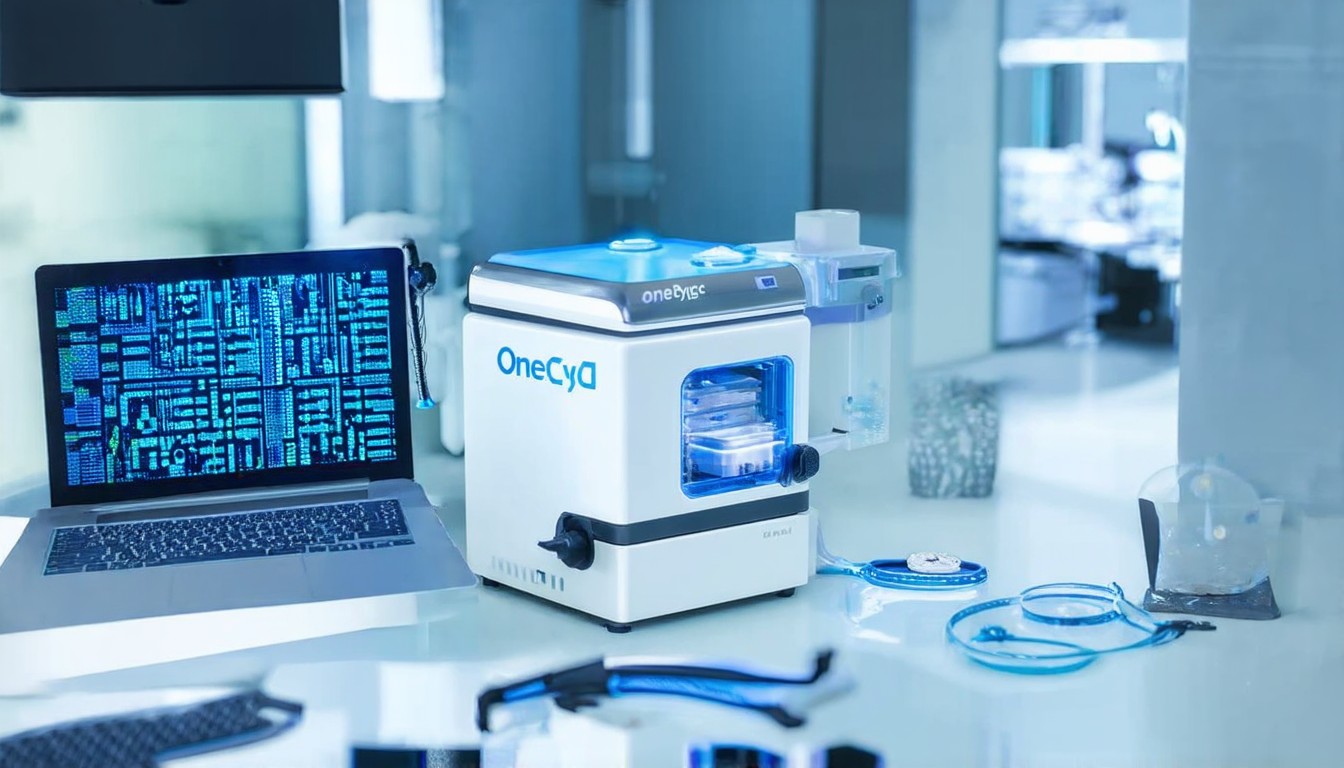
OneCyte, a company specializing in high-throughput single-cell analysis and cell line development technologies, has partnered with Kemp Proteins, a provider of protein engineering and expression solutions. This strategic collaboration aims to address significant challenges faced by biopharmaceutical companies in cell line development, including long development cycles, suboptimal yields, and high failure rates, particularly for novel and complex molecules.
The partnership combines OneCyte's proprietary single-cell platform for high-throughput and high-speed clone selection with Kemp Proteins' molecular engineering capabilities, including its machine learning-driven platform, PROTiQ. Konstantinos Tsioris, PhD, co-founder and president of OneCyte, highlights that these challenges can delay regulatory timelines and slow the progression of therapies into the clinic.
The integrated approach developed by the OneCyte-Kemp partnership addresses these issues by integrating predictive in silico design with rapid and high-throughput experimental validation. The workflow begins with evaluating amino acid sequences using Kemp's PROTiQ platform to assess developability risks, identify sequence liabilities, and generate structural insights. This step is crucial in identifying potential issues before they arise during the development process.
Once the optimized candidates are identified, they are paired with OneCyte's high-performance cell line development platform. This platform enables the identification of elite clones with higher productivity, significantly improving the overall efficiency of the development process. Unlike traditional, rigid development workflows, this integrated approach is designed to adapt quickly to the evolving needs of new therapeutic modalities.
Tsioris emphasizes that by combining OneCyte's single-cell technology with Kemp's deep expertise in protein expression, the partnership is confident in addressing the hardest challenges associated with new modalities. This collaboration promises to deliver faster timelines and industry-leading titers, ultimately accelerating the development of new therapies.
The partnership between OneCyte and Kemp Proteins represents a significant advancement in the field of cell line development. By leveraging cutting-edge technologies such as single-cell analysis and machine learning-driven protein engineering, the companies are poised to revolutionize the biopharmaceutical industry, ensuring that new therapies reach the clinic more efficiently and effectively. This innovative approach not only addresses current challenges but also sets the stage for future advancements in the development of complex and novel molecules.
In conclusion, the collaboration between OneCyte and Kemp Proteins marks a pivotal moment in the biopharmaceutical industry. By integrating single-cell technology with machine learning-driven protein engineering, the companies are committed to overcoming the obstacles in cell line development and accelerating the delivery of life-saving therapies to patients. This strategic partnership underscores the potential of combining cutting-edge technologies to drive high-performance cell line development and transform the landscape of biotechnology.









