Luigi Mangione's Lawyers Withdraw Psychiatric Defense in Murder Trial
Lawyers for Luigi Mangione have withdrawn their plan to pursue a psychiatric defense in his New York state murder trial over the killing of UnitedHealthcare CEO Brian Thompson.
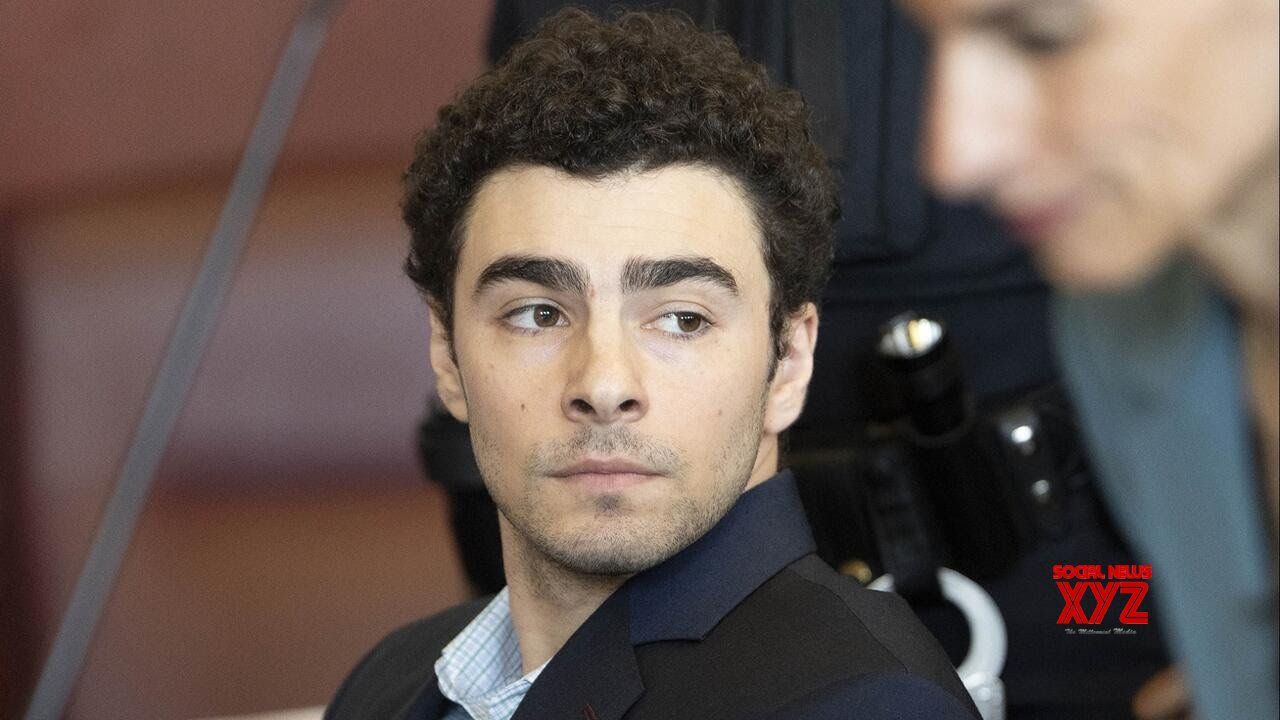
Lawyers for Luigi Mangione have withdrawn their plan to pursue a psychiatric defense in his New York state murder trial over the killing of UnitedHealthcare CEO Brian Thompson. The decision marks a significant shift in the defense strategy, as the legal team previously considered presenting evidence that Mangione may have suffered from a mental health condition that could have influenced his actions. The withdrawal of this defense comes amid ongoing legal proceedings and public interest in the case.
The case has drawn considerable attention due to the high-profile nature of the victim, Brian Thompson, who was the CEO of UnitedHealthcare. The murder of Thompson has sparked widespread discussions about gun violence, corporate culture, and the legal implications of mental health in criminal cases. Legal experts have noted that the withdrawal of the psychiatric defense could signal a strategic move by Mangione's legal team to focus on other aspects of the trial, such as the circumstances surrounding the crime and potential motives.
Jessica Levinson, a CBS News legal contributor, has analyzed the implications of this decision. She stated that the withdrawal may reflect a reassessment of the evidence and the potential risks associated with presenting a psychiatric defense. "The legal team may have determined that the evidence does not strongly support the psychiatric defense, or that pursuing it could be detrimental to the case," Levinson explained. This shift in strategy could have significant consequences for the trial's direction and the potential outcomes for Mangione.
The trial is set to proceed with the remaining charges against Mangione, which include second-degree murder and other related offenses. The court has scheduled further hearings to address the implications of the defense's withdrawal. As the case progresses, it is expected to continue generating public interest and legal debate, particularly regarding the intersection of mental health and criminal responsibility.
This case has become a focal point for discussions on how the legal system handles cases involving mental health. Legal scholars and practitioners are closely monitoring the proceedings to understand the potential impact on future cases. The withdrawal of the psychiatric defense may also influence how similar cases are approached in the future, highlighting the complexities of balancing legal procedures with the need for justice in high-profile crimes.