LPG Triggers Gig Workers’ Exodus, NeuroPixel Shuts Down & More
LPG Crisis Hits Gig Economy Hard Six years after the COVID lockdown, a new crisis is pushing India’s migrants back…
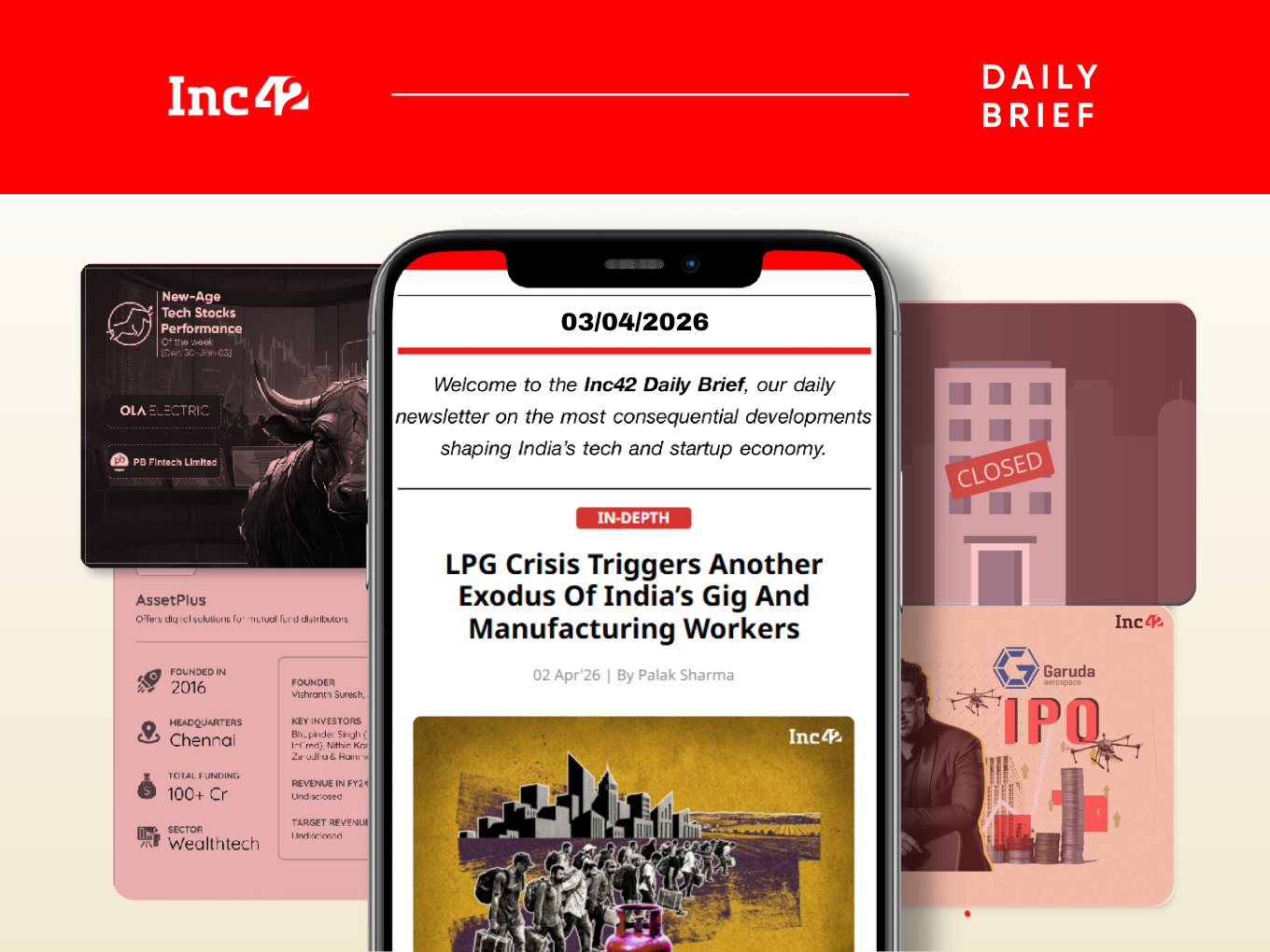
Six years after the COVID-19 lockdown, India's gig economy is facing a new crisis triggered by an LPG shortage. This development is pushing migrant workers back onto the road, as the conflict in West Asia has disrupted the supply chain, leading to soaring LPG prices. The blockage of ship movement through the Strait of Hormuz has caused the price of a 1 kg LPG cylinder, which once cost around ₹100, to nearly double to ₹400 in the grey market. This sudden increase in cost is forcing low-wage earners, who heavily rely on frequent LPG refills, to reconsider their decision to stay in urban areas.
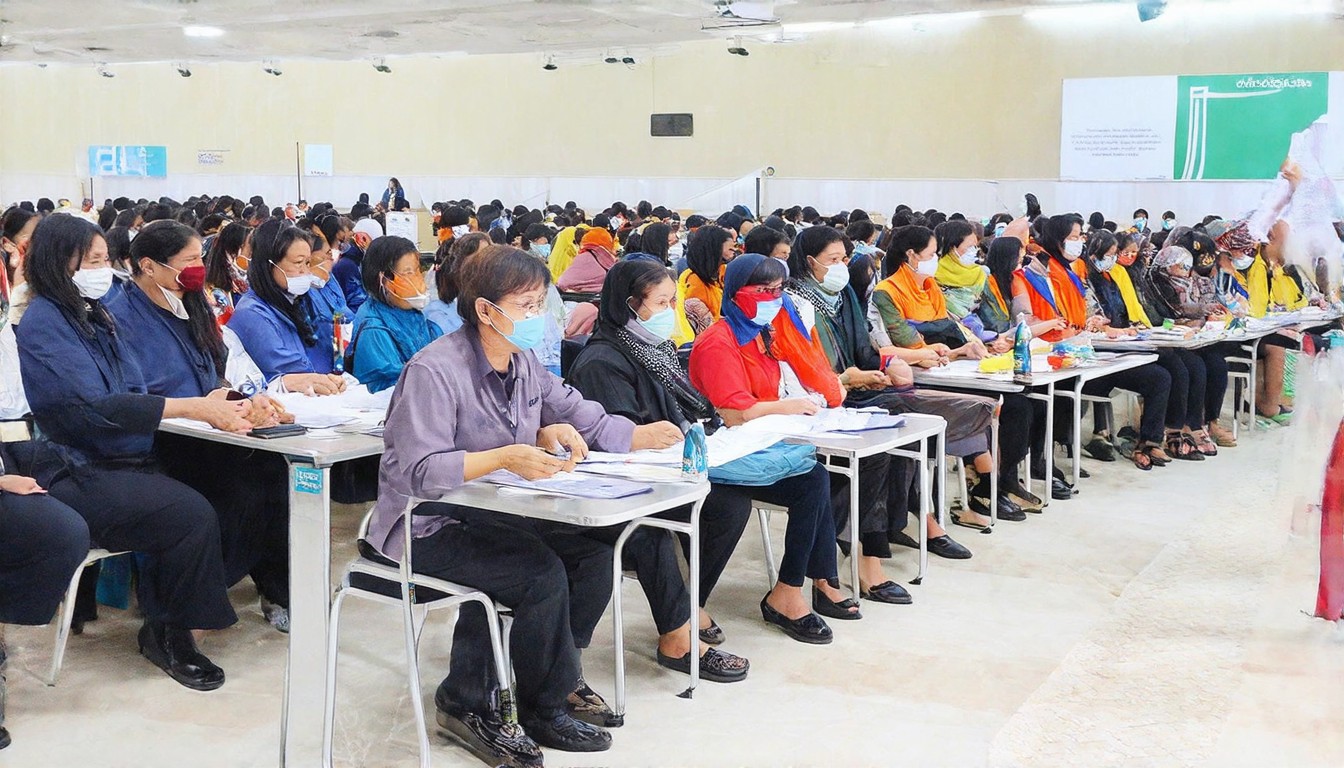
In blue-collar hubs across the country, hundreds of migrant families are packing up and moving back to their villages. The rising cost of living, coupled with the inability to afford essentials like cooking gas, has made city life unsustainable for many. This exodus of migrant workers is not only affecting the gig economy but also the broader manufacturing sector.
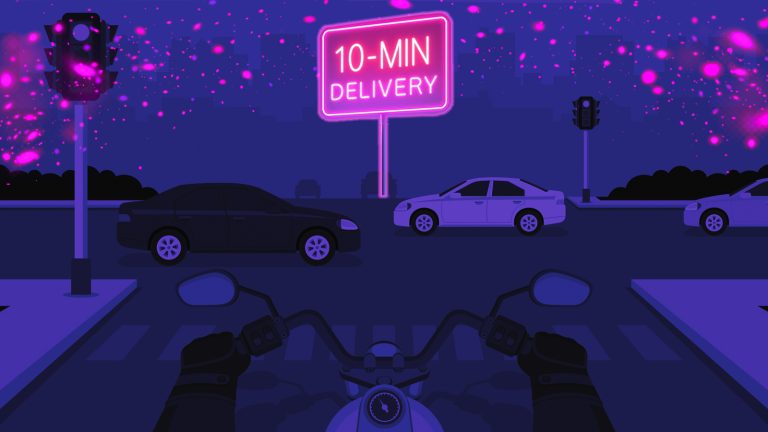
The app-based auto industry, which has been a significant part of the gig economy, is struggling to cope with the fuel hikes and reduced trip opportunities. Drivers are questioning the viability of their gig work, as the cost of fuel has become prohibitively expensive. Additionally, small eateries are shutting down due to unviable operating costs and a drop in orders, leading to a ripple effect on delivery executives who are seeing a decline in their daily earnings.
The situation is also affecting D2C (direct-to-consumer) brands, as major textile and chemical hubs are reporting a 30% to 35% drop in workforce capacity. Migrant employees are returning home, leaving factories and workshops understaffed. This has put a strain on production and delivery operations, as the gig economy's backbone is being tested.
In an attempt to combat the rising absenteeism, startups are exploring creative solutions. Brands like Libas are considering renting electric induction cooktops to their factory workers or helping them bear the costs of inflated LPG. This initiative aims to alleviate the financial burden on workers and keep them in the cities. Industry experts also note that gig platforms are attempting to cross-utilise workers, moving delivery personnel to less strained e-commerce logistics to provide some income stability.
As the conflict in West Asia continues, a dark cloud hangs over India's economic engine. The gig economy, which has been a lifeline for millions, is now facing an uncertain future. Startup subsidies may help stabilize the cost of living, but the question remains: are we looking at yet another urban migration six years after the pandemic?
The vulnerability of the gig economy has been exposed, highlighting the need for more robust safety nets and support systems for workers. The situation also underscores the importance of diversifying energy sources and ensuring a stable supply chain to prevent such crises from affecting millions of people's livelihoods. As the country navigates this new challenge, the focus must be on finding sustainable solutions that protect the gig workers who form the backbone of India's economy.