LPG Crisis: Is Modi Govt in Denial?
This episode of ‘India Ki Baat’ discusses the LPG crisis in the country and the uproar going on from the streets to Parliament.
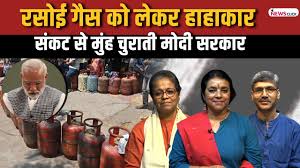
The LPG crisis in India has escalated to a level that has left many questioning the government's response. As the nation grapples with soaring prices and shortages, public anger has reached a boiling point, with protests spilling out onto the streets and echoing in Parliament. The episode of 'India Ki Baat', a popular news program, delves into the complexities of this crisis and the mounting frustration among citizens.
The LPG shortage, which began in early 2023, has been exacerbated by a combination of factors. The government's decision to reduce subsidies on LPG in an effort to balance the budget has led to a sharp increase in prices. This move, aimed at reducing the fiscal burden, has left millions of households, particularly in rural and lower-income areas, struggling to afford this essential fuel. The price hike has been compounded by a decline in LPG production due to maintenance issues at key refineries and a reduction in imports.
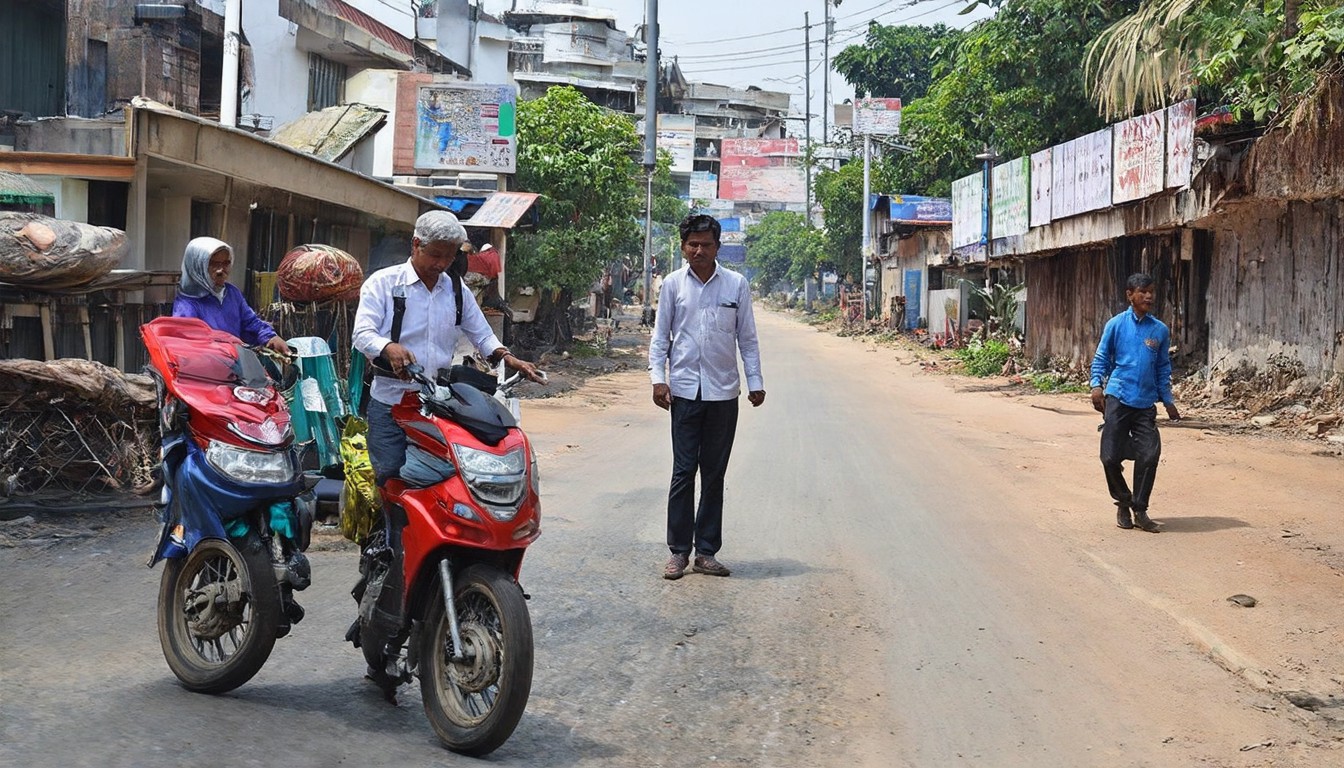
The situation on the ground is dire. In many parts of the country, LPG cylinders are scarce, and those available are sold at exorbitant prices. Households, which rely on LPG for cooking and heating, are facing hardships. Women, who often manage the household budgets, have taken to the streets to protest the rising costs. These protests have quickly gained momentum, with participants demanding accountability from the government and calling for a reconsideration of the subsidy cuts.
The unrest has not gone unnoticed in Parliament. Opposition parties have been vocal in their criticism of the Modi government's handling of the crisis. They argue that the government's initial dismissal of the issue as a temporary blip has only deepened the crisis. Questions have been raised about the government's preparedness and its ability to manage such a critical situation.
The government, on the other hand, has maintained that the LPG crisis is a temporary aberration and that supply will soon return to normal levels. Officials have pointed to ongoing refinery maintenance and increased domestic production as factors that will alleviate the shortage. They have also emphasized that the subsidy reduction was a necessary step to address fiscal imbalances.
However, critics argue that the government's response is insufficient and that it is in denial about the severity of the crisis. They point out that the government has not taken adequate measures to import sufficient LPG to meet the demand. Furthermore, they question why the government did not act earlier to address potential supply chain issues.
The LPG crisis has also highlighted broader issues within the Indian economy. It has brought to light the vulnerability of the country's energy sector and the need for a more robust and diversified supply chain. The crisis has also underscored the challenges faced by the government in balancing fiscal responsibility with social welfare.
As the protests continue and the situation on the ground worsens, the Modi government faces mounting pressure to act. The question now is whether it will heed the calls for a more proactive approach or continue to dismiss the crisis as a temporary setback. The fate of millions of households depends on the government's ability to navigate this complex situation and find a sustainable solution.
In the meantime, the episode of 'India Ki Baat' serves as a stark reminder of the urgent need for transparency and accountability in governance. It is a call to action for the government to address the LPG crisis head-on and to ensure that the well-being of its citizens is not compromised in the name of fiscal austerity. The crisis is a testament to the fact that the government must be responsive to the needs of the people, especially in times of hardship.
As the protests continue and the LPG crisis persists, the future remains uncertain. One thing is clear, however: the government cannot afford to remain in denial any longer. The time for action is now, and the stakes are higher than ever. The LPG crisis is not just an economic issue; it is a matter of social justice and the welfare of millions of Indian families. The government must act swiftly and decisively to address this crisis and restore public trust.