
Low-Cost, Single Sample Blood Test Detects Different Cancers, Liver Disorders, and Other Diseases
Researchers developed a blood test that, in early studies in more than 1,000 people, showed promise as a low-cost method for detecting multiple cancers, various liver conditions, and organ abnormalities simultaneously by analyzing cell-free DNA. The post Low-Cost, Single Sample Blood Test Detects Different Cancers, Liver Disorders, and Other Diseases appeared first on GEN - Genetic Engineering and Biotechnology News .
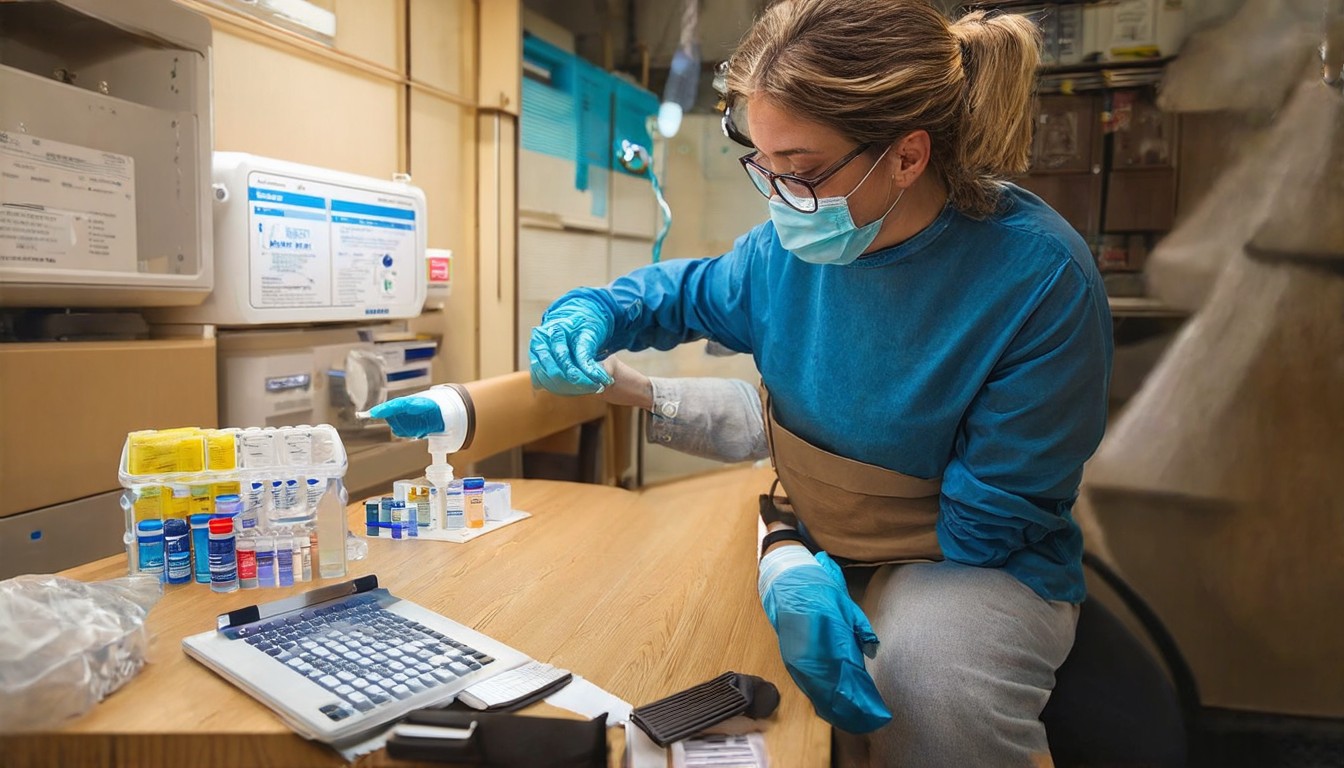
UCLA scientists have developed a groundbreaking blood test that shows promise in detecting multiple cancers, liver conditions, and organ abnormalities in a single, low-cost sample. This innovative method, named MethylScan, analyzes cell-free DNA (cfDNA) to provide insights into the health of various organs. The research, led by Jasmine Zhou, PhD, a professor of pathology and laboratory medicine at the UCLA Health Jonsson Comprehensive Cancer Center, has been published in PNAS in a paper titled "Toward the simultaneous detection of multiple diseases with a highly cost-effective cell-free DNA methylome test."
MethylScan works by examining cfDNA, which are tiny fragments of genetic material released into the bloodstream when cells die. Since cells from every organ shed DNA into the blood, cfDNA carries molecular signals that reflect the overall health of the body. This approach offers a powerful and more affordable alternative to traditional methods of early disease detection and comprehensive health monitoring.
Early detection of diseases, particularly cancers, is crucial for improving survival rates. When cancers are caught before they spread, outcomes are significantly better than when they are diagnosed at a later stage. Zhou emphasized the importance of early detection, stating, "Survival rates are far higher when cancers are caught before they spread. If you detect cancer at stage one, outcomes are dramatically better than at stage four."
While the concept of using blood to detect cancer, sometimes referred to as a liquid biopsy, is not entirely new, MethylScan distinguishes itself by its ability to detect multiple diseases simultaneously. Existing tests often focus on specific mutations in tumor DNA and can be expensive, in part due to the need for specialized equipment and analysis. In contrast, MethylScan's method is designed to be highly cost-effective, making it more accessible to a wider range of individuals.
The researchers highlighted that when cells die, they do not simply vanish; they leave behind molecular traces, including cfDNA in the bloodstream. This cfDNA is a mixture of DNA fragments released from various organs, offering valuable insights into the health of these organs. Zhou explained that every day, 50 to 70 billion cells in our body die, releasing their DNA into the bloodstream. This means that information from all our organs is already circulating in the blood, providing a wealth of data for diagnostic purposes.
The potential applications of MethylScan extend beyond cancer detection. It can also identify various liver conditions and organ abnormalities, offering a comprehensive approach to health monitoring. By analyzing cfDNA, the test can provide early warnings of diseases, enabling timely interventions and better patient outcomes.
In conclusion, the development of MethylScan represents a significant advancement in the field of medical diagnostics. This low-cost, single-sample blood test has the potential to revolutionize disease detection by offering a more affordable, efficient, and comprehensive method for identifying multiple cancers, liver disorders, and other organ abnormalities. As the technology continues to evolve, it holds the promise of transforming healthcare by enabling earlier and more accurate diagnoses, ultimately improving patient survival rates and quality of life.









