
Low-Cost, Single Sample Blood Test Detects Different Cancers, Liver Disorders, and Other Diseases
Researchers developed a blood test that, in early studies in more than 1,000 people, showed promise as a low-cost method for detecting multiple cancers, various liver conditions, and organ abnormalities simultaneously by analyzing cell-free DNA. The post Low-Cost, Single Sample Blood Test Detects Different Cancers, Liver Disorders, and Other Diseases appeared first on GEN - Genetic Engineering and Biotechnology News .
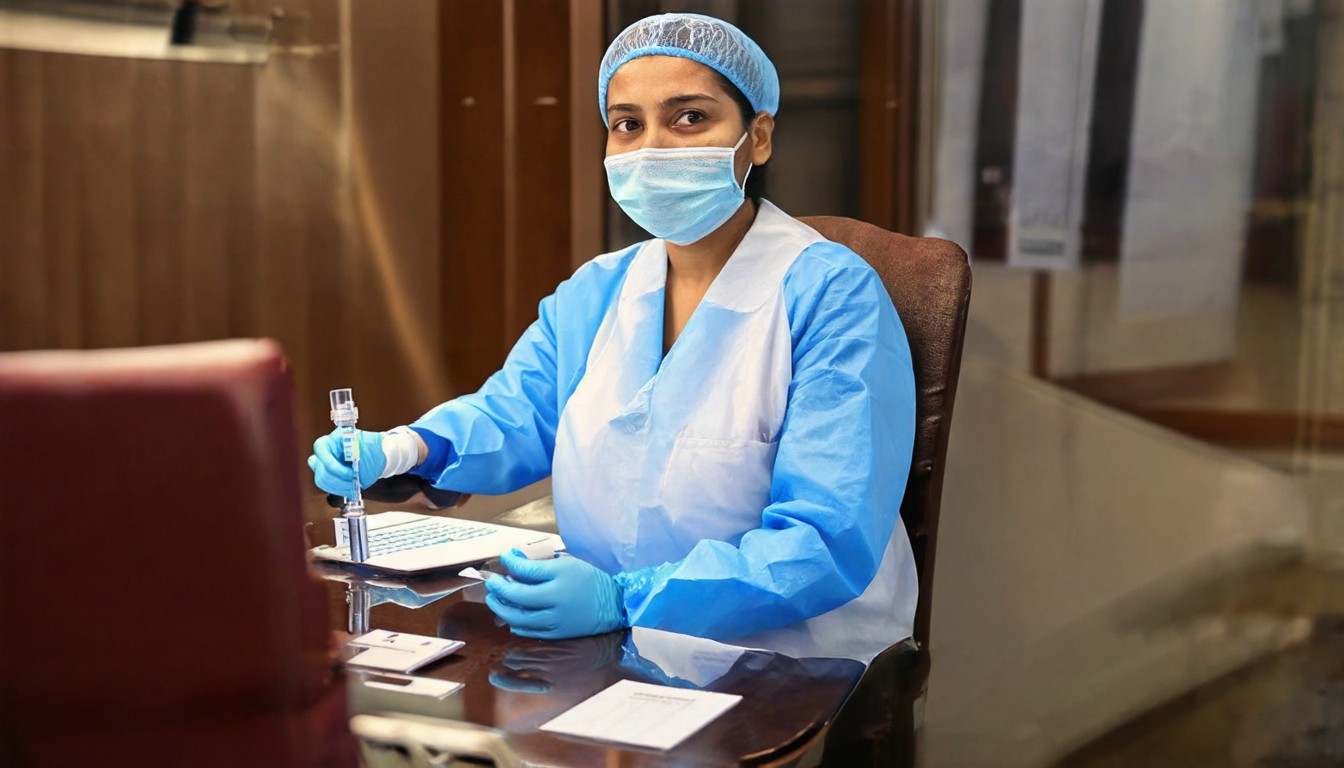
UCLA scientists have developed a revolutionary blood test that holds the potential to revolutionize disease detection and early diagnosis. This innovative method, named MethylScan, analyzes cell-free DNA (cfDNA) to simultaneously identify multiple cancers, liver conditions, and organ abnormalities. The groundbreaking research, published in PNAS, demonstrates the promise of this low-cost, single sample test in more than 1,000 individuals.
MethylScan works by examining cfDNA, which are tiny fragments of genetic material released into the bloodstream when cells die. Notably, cells from every organ shed DNA into the blood, making cfDNA a valuable source of information about the health of various organs. Research lead Jasmine Zhou, PhD, a professor of pathology and laboratory medicine at UCLA Health Jonsson Comprehensive Cancer Center, emphasized the significance of early detection in improving cancer survival rates. "Early detection is crucial," Zhou stated. "Survival rates are far higher when cancers are caught before they spread. If you detect cancer at stage one, outcomes are dramatically better than at stage four."
While the concept of using blood to detect cancer, often referred to as a liquid biopsy, is not entirely new, MethylScan distinguishes itself by its ability to detect multiple diseases simultaneously. Existing tests typically focus on specific mutations in tumor DNA and can be expensive, partly due to the need for specialized equipment and analysis. In contrast, MethylScan offers a more affordable and comprehensive approach to early disease detection and health monitoring.
The researchers highlighted that every day, approximately 50 to 70 billion cells in the human body die, releasing their DNA into the bloodstream. This means that molecular traces from all organs are continuously circulating in the blood, providing a wealth of information about overall health. Zhou explained, "Every day, 50 to 70 billion cells in our body die. They don’t just disappear; their DNA goes into the bloodstream. That means we already have information from all our organs circulating in the blood."
The potential implications of this technology are vast. By enabling early detection of various diseases, MethylScan could significantly improve patient outcomes and reduce healthcare costs associated with advanced disease treatment. Furthermore, the ability to monitor organ health through a simple blood test could lead to more personalized and proactive healthcare strategies.
While the initial studies are promising, further research and clinical trials will be necessary to validate the test's accuracy and effectiveness in a broader population. Nevertheless, the development of MethylScan represents a significant leap forward in the field of genetic engineering and biotechnology, offering hope for more accessible and comprehensive disease detection in the future. As healthcare continues to evolve, this innovative blood test could become an essential tool in the fight against cancer and other debilitating conditions.








