Looking up? How to photograph the moon with your phone
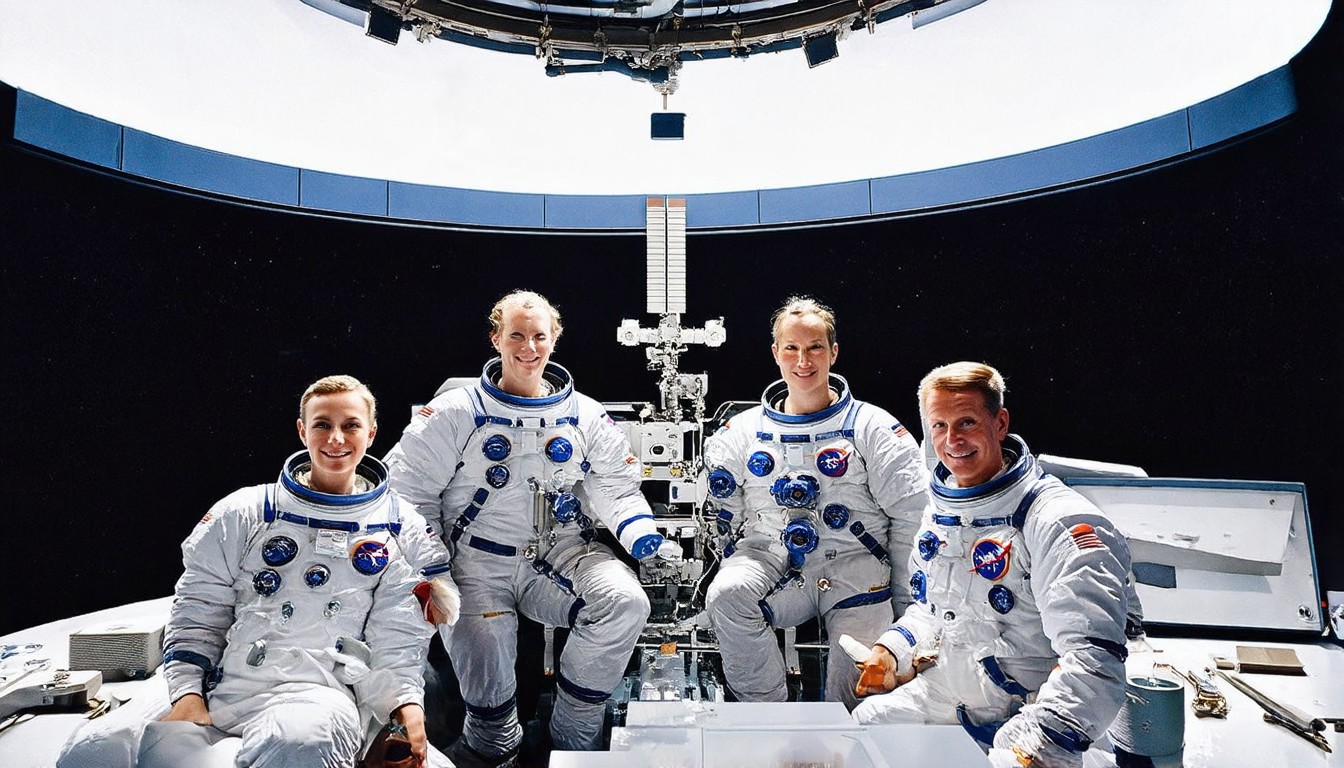
Eyes are on the sky this week as four astronauts get the closest humans have been to the moon for more than 50 years on NASA's Artemis II mission. Join the millions of people looking up while it's on its way and we'll show you how to get the best photo of the moon using your phone.
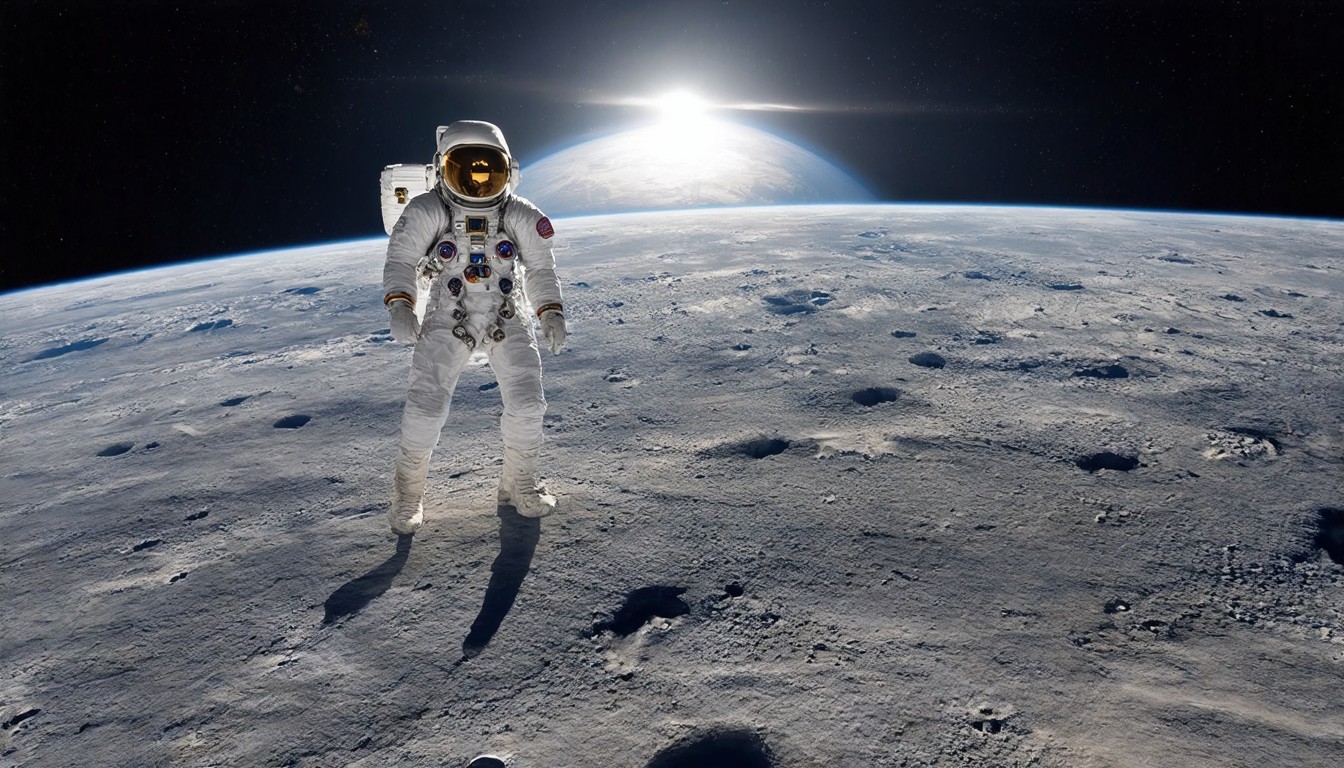
As the world watches with anticipation, NASA's Artemis II mission is carrying four astronauts on the closest journey to the moon in over half a century. This historic mission has sparked a renewed interest in the celestial body, inspiring millions of people to look up at the night sky. For those eager to capture the moon's beauty using their smartphones, we've compiled a guide to help you take stunning photos of our luminous satellite.
The first step to capturing a great moon photo is timing. The best opportunities to photograph the moon occur during its phases, particularly when it is full or nearly full. During these times, the moon is brightest and offers the most detail. However, even during other phases, the moon can be photographed effectively, though the lighting will be different. To determine the best time to take your photos, consult a moon phase calendar or use a dedicated app. These tools will provide precise information on when the moon is at its most photogenic.
Next, consider the location where you will be taking your photos. The ideal spot is one with a clear, unobstructed view of the sky. Avoid areas with tall buildings, trees, or other obstructions that might block the moon or cast shadows. If possible, head to a hill or elevated area to capture a wider view. Additionally, choose a location with minimal light pollution, as this will enhance the natural glow of the moon and reduce unwanted reflections or glare.
Equipment-wise, you'll need a smartphone with a decent camera. Most modern phones come with multiple lenses, including a wide-angle and an ultra-wide-angle lens, which can be particularly useful for moon photography. However, even a standard camera setup can produce impressive results with the right techniques. Ensure your phone's camera app is up to date, as updates often include improvements in low-light performance and image stabilization.
When it comes to settings, the key is to balance between capturing the moon's detail and maintaining a proper exposure. Most smartphones have a "night mode" or "portrait mode" setting that can help enhance low-light conditions. Experiment with these settings to see which produces the best results for your specific phone. Additionally, try adjusting the ISO level to increase the sensitivity of the camera's sensor, which can help capture more light. However, be cautious of overexposure, as this can wash out the moon's details.
Composition is another critical aspect of moon photography. The rule of thirds is a useful guideline for framing your shot. Imagine dividing your screen into nine equal parts, with two horizontal lines and three vertical lines. Position the moon off-center, either to the left or right of the central vertical line, to create a more visually appealing composition. You can also experiment with different angles, such as capturing the moon low on the horizon or high in the sky.
Post-processing can further enhance your moon photos. Apps like Snapseed or Adobe Lightroom offer tools for adjusting exposure, contrast, and color balance. Be cautious not to over-edit your photos, as this can detract from their natural beauty. Instead, focus on subtle adjustments that bring out the moon's texture and the surrounding sky's hues.
Finally, remember that patience and practice are key to mastering moon photography. Take multiple shots during your session, as you may find that some photos turn out better than others. Share your photos on social media using hashtags like #MoonPhotography or #ArtemisII to connect with fellow enthusiasts and learn from their techniques.
As the Artemis II mission continues to captivate the world, take a moment to look up at the moon and consider the incredible journey humanity is embarking on. With your smartphone in hand, you too can become a part of this celestial adventure, capturing memories of our beautiful moon that will last a lifetime.