
Lockhart calls for targeted intervention to stabilise costs in wake of global instability
DUP Agriculture spokesperson, Carla Lockhart MP, has said families, farmers and food producers across Northern Ireland and Great Britain are being squeezed from every direction as a result of ongoing tensions in the Middle East.
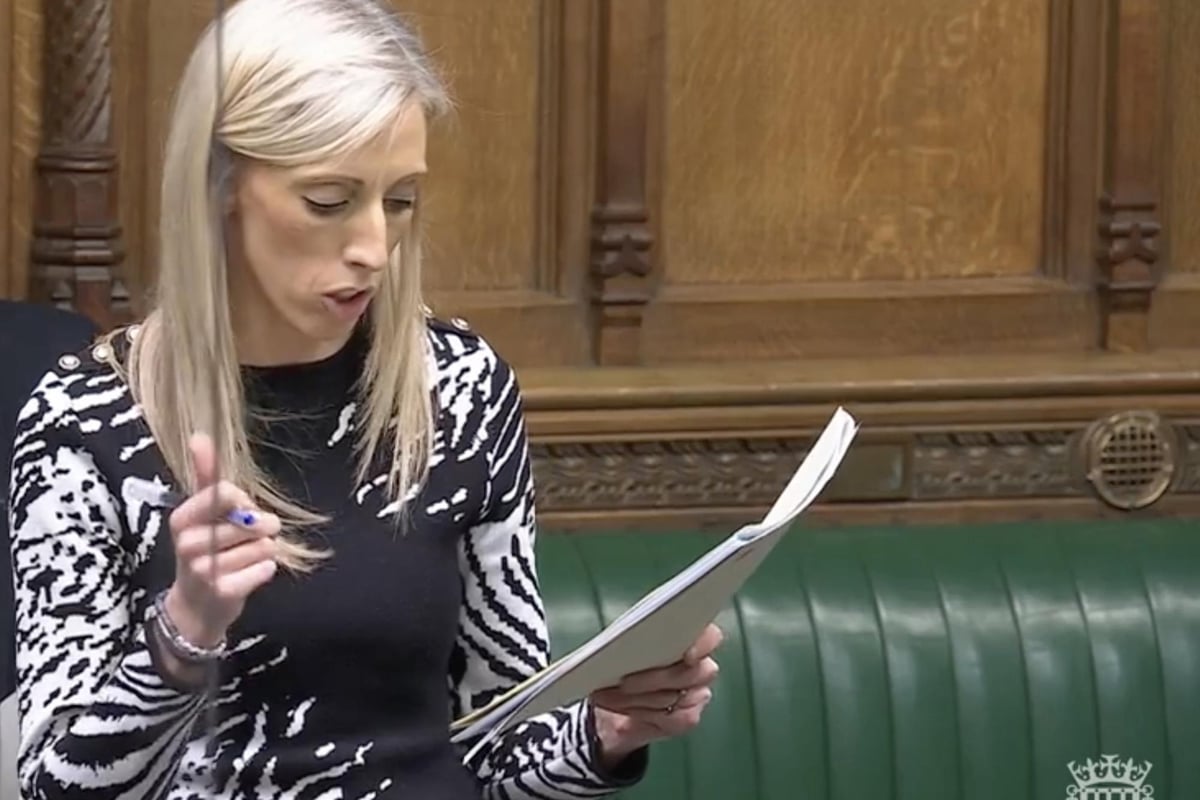
In the face of escalating global instability, DUP Agriculture spokesperson Carla Lockhart MP has called for targeted intervention to stabilise costs for families, farmers, and food producers across Northern Ireland and Great Britain. Lockhart's plea comes as tensions in the Middle East continue to ripple through global markets, affecting everything from fuel prices to food supply chains.
The ongoing geopolitical tensions in the Middle East have had a profound impact on the agricultural and food sectors in the UK and Northern Ireland. Rising oil prices, disruptions in global trade routes, and increased volatility in commodity markets have put immense pressure on farmers and food producers. Lockhart has highlighted that these challenges are not limited to the agricultural industry; they are affecting families and businesses across the board, as inflation and cost-of-living pressures mount.
"Families, farmers, and food producers are being squeezed from every direction," Lockhart said in a recent statement. "It's time for the government to take decisive action to protect them and stabilise costs. We cannot afford to see our hardworking farmers and food producers struggling to make ends meet while they play a vital role in feeding our nation."
Lockhart's call for targeted intervention is aimed at addressing the specific challenges faced by the agricultural and food sectors. This could include measures such as subsidies for farmers to help them cope with higher production costs, support for food producers to mitigate the impact of volatile global markets, and initiatives to ensure the stability of food supply chains.
In addition to the immediate challenges posed by global instability, Lockhart has also pointed out the long-term risks to the UK and Northern Ireland's agricultural and food industries. The region's dependence on global trade and the vulnerability of its supply chains to geopolitical tensions have been highlighted as critical areas of concern.
"We need to invest in resilience and diversification," Lockhart emphasised. "We must reduce our reliance on global markets and build a more self-sufficient, sustainable food system that is less vulnerable to external shocks. This will not only protect our farmers and food producers but also ensure the long-term security of our food supply."
The DUP spokesperson's call for action has been met with mixed reactions from industry stakeholders and policymakers. While many acknowledge the urgent need for support, others argue that government intervention could distort markets and have unintended consequences.
Despite these concerns, Lockhart remains adamant that the government must act swiftly to address the situation. "The well-being of our families, the livelihoods of our farmers, and the stability of our food supply are too important to be left to the whims of global markets," she stated. "It's time for the government to step up and provide the support our hardworking people need to thrive in these challenging times."
As global instability continues to pose threats to the UK and Northern Ireland's agricultural and food sectors, Lockhart's call for targeted intervention serves as a stark reminder of the need for proactive policies and strategies to safeguard these vital industries. The response from the government and other stakeholders will be crucial in determining whether the region can weather the storm and emerge stronger in the long run.








