
Locals dispute Nigerian army claim of 31 rescued after Easter attack
Five civilians were killed by the gunmen and their bodies were recovered at the scene, the army said.
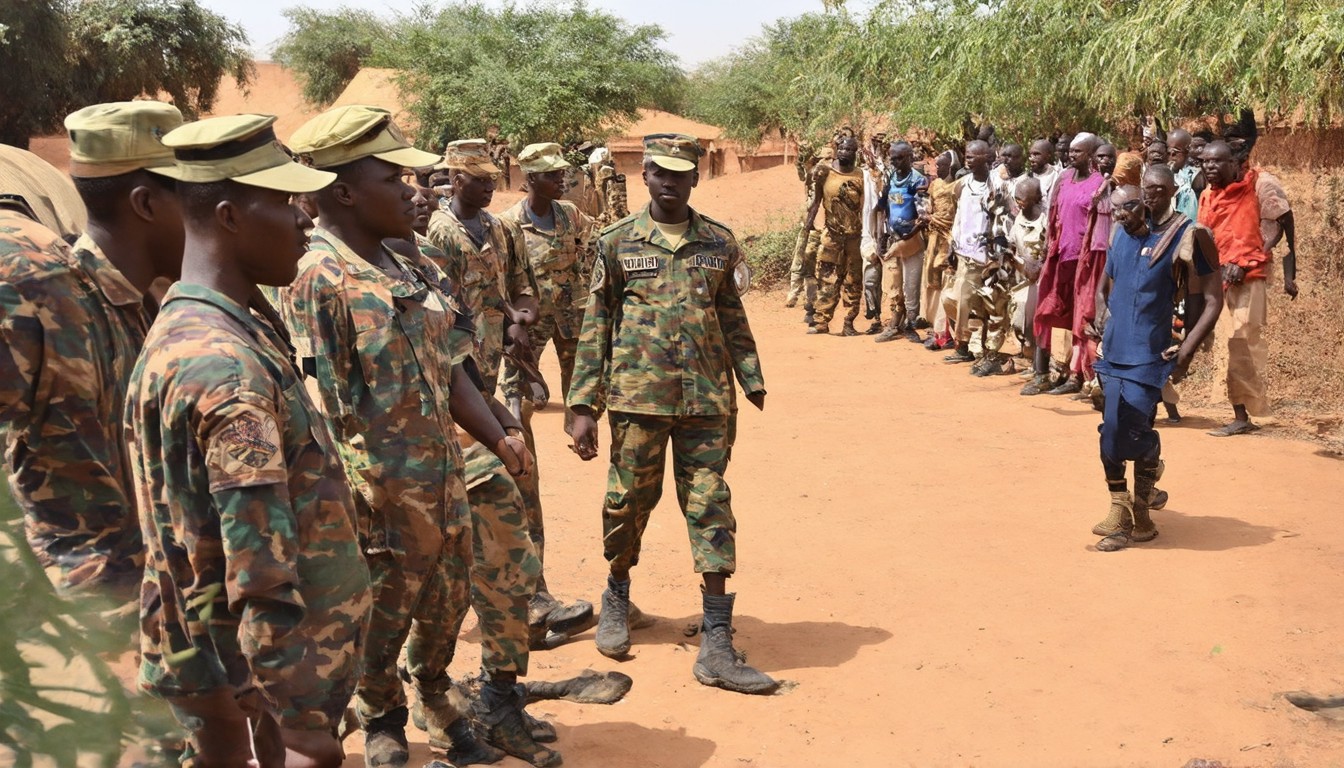
In the aftermath of an Easter Sunday attack in a remote Nigerian village, locals have challenged the Nigerian army's claim that 31 people were rescued from the clutches of gunmen. The incident, which left five civilians dead, has sparked controversy and questions about the true scale of the tragedy.
The Nigerian army, in a statement released on Monday, claimed that their forces successfully rescued 31 individuals after a fierce confrontation with the gunmen. The military highlighted the bravery of their troops, who allegedly neutralized the attackers and secured the area. However, residents of the village have disputed these claims, insisting that the number of rescued individuals is far lower than what the army has reported.
Eyewitnesses and survivors have shared harrowing accounts of the attack, which began early in the morning when heavily armed gunmen stormed the village. The gunmen targeted a local church, where many villagers had gathered for Easter services. Chaos ensued as the attackers opened fire, killing five civilians on the spot. The army arrived shortly after, and a brief skirmish ensued before the gunmen fled the scene.
The army's statement mentioned that the bodies of the five killed civilians were recovered at the scene. However, locals have expressed skepticism about the military's account of the rescue operation. They argue that the number of people rescued is significantly lower than 31, and that many of the villagers were forced to flee the area in panic. Some survivors have reported that they managed to escape on their own, without any assistance from the army.
The discrepancy between the army's claims and the villagers' accounts has raised concerns about the reliability of official reports in such volatile regions. The Nigerian government has faced criticism in the past for underreporting casualties and downplaying the severity of attacks in order to maintain a semblance of stability.
Village elders have called for an independent investigation into the incident, arguing that the truth must be established to provide closure for the victims' families and to hold those responsible accountable. They have also urged the government to take proactive steps to prevent such attacks from recurring.
The Nigerian army has yet to respond to the locals' disputes, and the situation remains tense. As the village grapples with the aftermath of the attack, the community is left questioning the official narrative and seeking answers to the tragic events that unfolded on Easter Sunday. The unresolved discrepancies serve as a stark reminder of the challenges faced by Nigerian security forces in combating insecurity and terrorism in the country.








