
Lebanon’s Coming Collapse
An Israeli assault is pushing the fragile country to the brink.
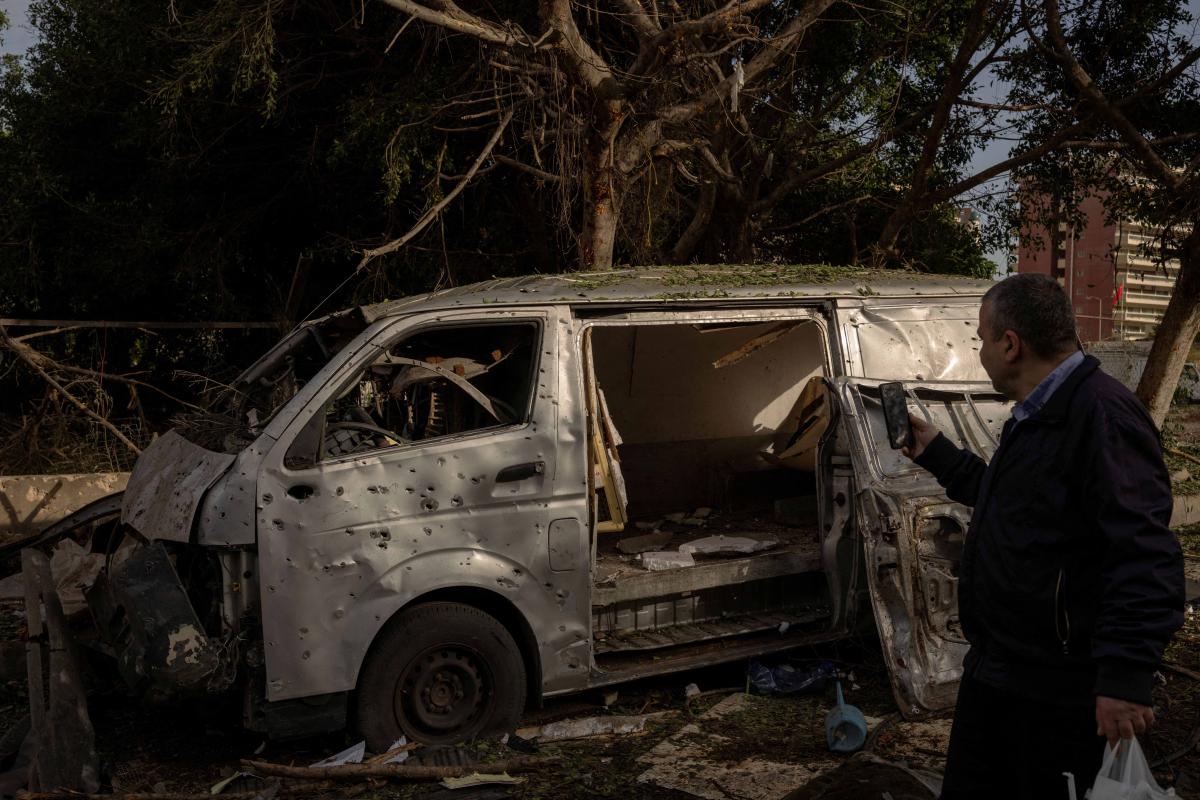
In recent weeks, Lebanon has found itself teetering on the edge of collapse, with an escalating Israeli military campaign exacerbating the country's existing fragility. The conflict, which has been ongoing for years, has now reached a critical juncture, threatening the stability of a nation already grappling with severe economic and political challenges.
The Israeli military's recent intensification of airstrikes and ground operations in Lebanon has targeted Hezbollah positions, a Shia militant group closely aligned with Iran. Hezbollah has long been a contentious presence in Lebanon, with its influence stretching beyond military operations into the country's political landscape. The group has been accused of destabilizing Lebanon through its involvement in regional conflicts, including Syria, and its alleged support for terrorist activities.
The Israeli government's stated aim is to weaken Hezbollah's capabilities and deter its perceived threats. However, the broader implications of this military campaign extend far beyond Hezbollah. Lebanon's infrastructure, already severely damaged by years of neglect and economic turmoil, is being further devastated by the ongoing airstrikes. Hospitals, schools, and residential areas have all been hit, resulting in civilian casualties and displacement.
The economic situation in Lebanon is dire. The country has been in a prolonged recession, with hyperinflation and a collapsing currency leaving millions of citizens in poverty. Unemployment rates soar, and the government's ability to provide basic services has deteriorated. The ongoing conflict with Israel has only added to this crisis, as the Lebanese government struggles to maintain control over its territory and respond to the humanitarian needs of its people.
Politically, Lebanon's situation is equally precarious. The country's sectarian divisions, which have long been a source of instability, have been exacerbated by the Israeli campaign. Sunni, Shia, and Christian communities, which are traditionally balanced in Lebanon's political system, are now under pressure to align with either Hezbollah or its opponents. This polarization threatens the delicate equilibrium that has historically characterized Lebanese politics, potentially leading to further internal strife.
International reactions to the crisis have been mixed. While some countries, such as Iran and Syria, have expressed support for Hezbollah and condemned the Israeli actions, others, including the United States and European nations, have called for a de-escalation of the conflict. The United Nations has also urged for a ceasefire, emphasizing the humanitarian consequences of the ongoing violence.
The future of Lebanon remains uncertain. The Israeli military's relentless campaign, combined with the country's existing economic and political vulnerabilities, could push Lebanon into a full-blown collapse. If international actors fail to intervene effectively, the region may face a new refugee crisis, as Lebanon's displaced population seeks shelter elsewhere.
In the meantime, the Lebanese people are left to bear the brunt of this conflict. With little hope for immediate relief, they must navigate a world where basic necessities are scarce, and the promise of a stable future seems increasingly distant. As the Israeli assault continues, the prospect of a collapse looms large, threatening not only Lebanon's stability but also the broader security of the Middle East.









