
Lebanon says Israeli strikes hit south Beirut, country's south
An Israeli strike hit Beirut's southern suburbs on Monday as Israel's army said it was targeting Iran-backed militant group Hezbollah, while Lebanon reported broad strikes in the country's south.
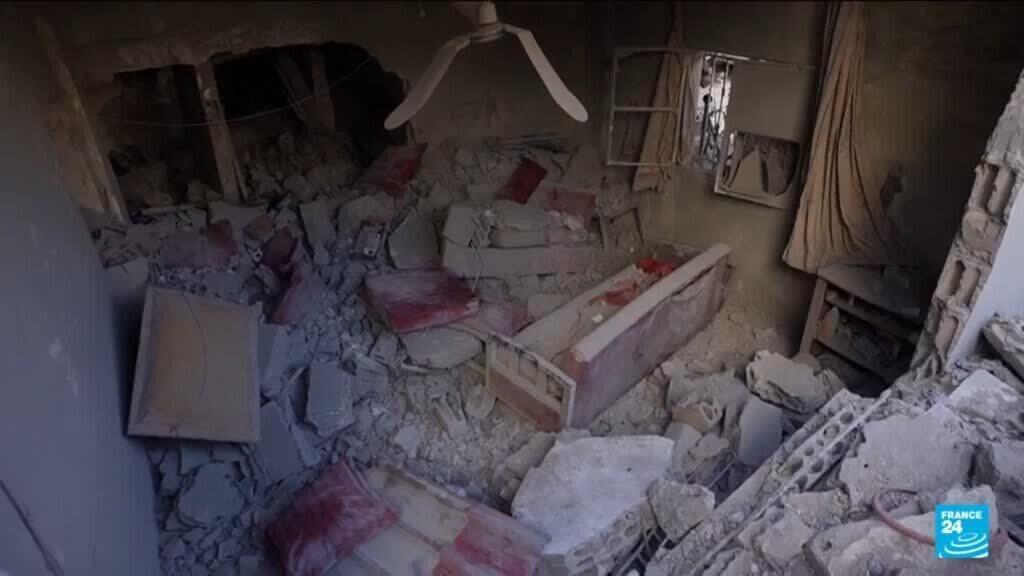
On Monday, an Israeli airstrike targeted Beirut's southern suburbs, marking a renewed escalation in the ongoing conflict between Israel and Hezbollah, the Iran-backed militant group. The Israeli army claimed that the strike was aimed at disrupting Hezbollah's operations, which have been a significant concern for Israel due to the group's close ties with Iran. Meanwhile, Lebanon reported that the airstrike had caused widespread damage in the south of the country, with residents reporting explosions and alarms sounding across the region.
The strike comes as tensions between Israel and Hezbollah have been simmering for years, with both sides frequently engaging in cross-border raids and attacks. Israel has consistently argued that Hezbollah poses a direct threat to its security, given the group's involvement in conflicts in Syria and its stockpiling of weapons in Lebanon. In response, Hezbollah has vowed to retaliate against any Israeli aggression, maintaining a strong military presence along the border with Israel.
The airstrike on Beirut's southern suburbs is not the first time Israel has targeted Hezbollah in Lebanon. In the past, similar operations have led to significant casualties and infrastructure damage in the region. However, this latest strike has drawn particular attention due to its proximity to the Lebanese capital, Beirut, which has already been devastated by previous conflicts and economic crises.
Lebanon's government has condemned the Israeli airstrike, describing it as a violation of its sovereignty and a threat to the country's stability. The Lebanese military has reported that the strike caused damage to residential areas and infrastructure, with several people reportedly injured. The government has called for an immediate end to the Israeli attacks and has urged the international community to intervene to protect Lebanon's territorial integrity.
The situation in Lebanon's south has been further complicated by the ongoing civil unrest and economic crisis in the country. Many Lebanese citizens are struggling to cope with high unemployment rates, inflation, and a deteriorating standard of living. The recent airstrike has added to the existing tensions, with many residents fearing for their safety and the future of their communities.
Israel, on the other hand, has defended its right to take military action against Hezbollah, arguing that the group poses an existential threat to the state. The Israeli military has stated that it will continue to conduct operations in Lebanon as needed to prevent Hezbollah from launching attacks on its territory.
The international community has been closely monitoring the situation, with some countries expressing concern over the escalating violence and calling for a de-escalation of tensions. The United Nations has also urged both sides to exercise restraint and avoid actions that could further destabilize the region.
As the situation in Lebanon's south continues to unfold, it remains unclear how the latest Israeli airstrike will impact the broader dynamics of the Israel-Hezbollah conflict. However, one thing is certain: the ongoing violence and instability in the region are likely to have far-reaching consequences for the people of Lebanon and the broader Middle East.
In the aftermath of the airstrike, Lebanese authorities have begun to assess the extent of the damage and provide aid to those affected. Residents in the southern suburbs of Beirut have reported feeling anxious about the possibility of further Israeli attacks, with many fearing for their safety and the future of their homes.
The situation in Lebanon's south is a stark reminder of the complex and volatile nature of the Israel-Hezbollah conflict, which has been a defining feature of the region's politics for decades. As tensions continue to rise, it remains to be seen whether any diplomatic efforts will be able to bring about a lasting resolution to this long-standing dispute.
In the meantime, the people of Lebanon are left to grapple with the immediate challenges posed by the airstrike and the broader challenges of rebuilding their country in the face of ongoing conflict and economic hardship. The international community must remain vigilant and committed to finding a way to de-escalate the situation and promote lasting peace in the region.








