
LaunchDarkly's approach to AI-powered product management
A conversation with Claire Vo, Chief Product Officer of LaunchDarkly, about the changing role of product managers, her anti-to-do list, and building AI-native teams.
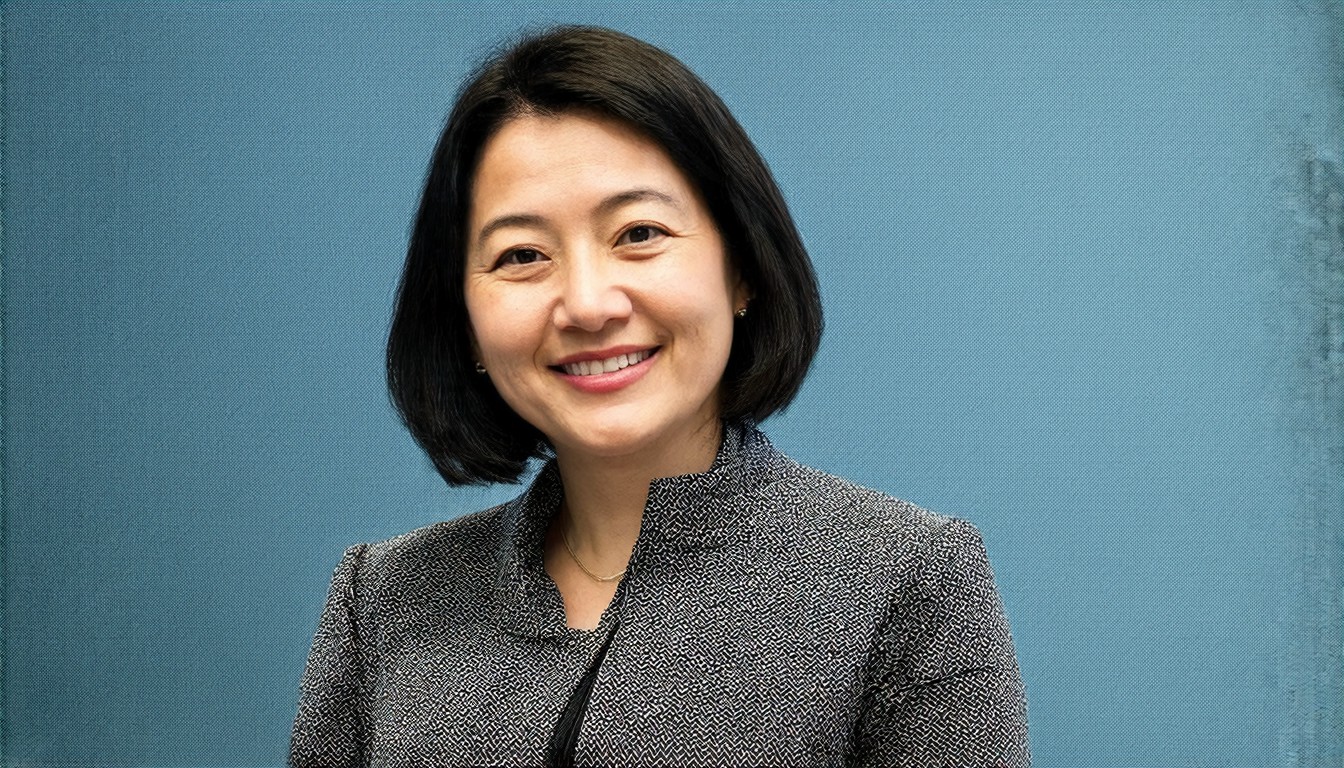
LaunchDarkly, a company known for its AI-driven product management platform, is at the forefront of transforming how businesses approach product development. In a recent conversation with Claire Vo, the company's Chief Product Officer, we delved into the evolving role of product managers, her unique "anti-to-do list," and the challenges of building AI-native teams.
As the landscape of product management continues to shift, driven by advancements in artificial intelligence and data-driven decision-making, the traditional role of product managers is undergoing significant change. Vo emphasized that today's product managers must not only be strategic thinkers but also adept at leveraging AI tools to optimize product development cycles. "The role is becoming more about enabling and orchestrating AI-driven processes rather than just managing features and timelines," she explained. This shift requires product managers to adopt a more collaborative approach, working closely with data scientists and engineers to ensure that AI is integrated seamlessly into the product lifecycle.
One of the most intriguing aspects of Vo's approach is her "anti-to-do list." Instead of outlining a list of tasks, she encourages product managers to focus on what they should not be doing. "Too often, product managers get bogged down by the minutiae of product development, losing sight of the bigger picture," she said. By prioritizing the elimination of distractions, Vo argues that product managers can better allocate their time and energy to strategic decision-making and fostering innovation. This mindset encourages a culture of continuous improvement and adaptability, which is crucial in an AI-driven environment where change is constant.
Building AI-native teams is another critical challenge that Vo and her team at LaunchDarkly face. As AI becomes more integral to product development, the need for teams that understand and can effectively utilize AI tools becomes paramount. Vo highlighted the importance of creating a culture where AI is not just a tool but a fundamental part of the team's identity. This involves not only technical skills but also soft skills such as communication, empathy, and the ability to work collaboratively across disciplines.
"We're looking for people who are curious, who are excited about the possibilities of AI, and who are willing to learn and adapt," Vo explained. To foster this culture, LaunchDarkly invests in training and development programs that equip its employees with the necessary skills to work with AI. Additionally, the company encourages cross-functional collaboration, bringing together product managers, engineers, and data scientists to create a unified approach to product development.
Vo also discussed the importance of ethical considerations in AI-driven product management. As AI becomes more sophisticated, the potential for bias and unintended consequences must be carefully managed. LaunchDarkly's AI platform includes features that help identify and mitigate biases, ensuring that the decisions made by AI are transparent and fair. This commitment to ethical AI is a testament to the company's dedication to responsible innovation.
In conclusion, LaunchDarkly's approach to AI-powered product management is a reflection of the evolving landscape of product development. By redefining the role of product managers, embracing an "anti-to-do list" philosophy, and building AI-native teams, the company is setting a new standard for how businesses can leverage AI to drive innovation and success. As the integration of AI into product management becomes more prevalent, the lessons learned from LaunchDarkly's journey will undoubtedly shape the future of product development.









