
Landwirtschaft: Ernährungssicherheit ist mehr als Autarkie
In Krisenzeiten wird Ernährungssicherheit schnell zur Leitvokabel. Doch wer sie auf nationale Selbstversorgung verengt, blendet die stabilisierende Rolle des Handels aus.
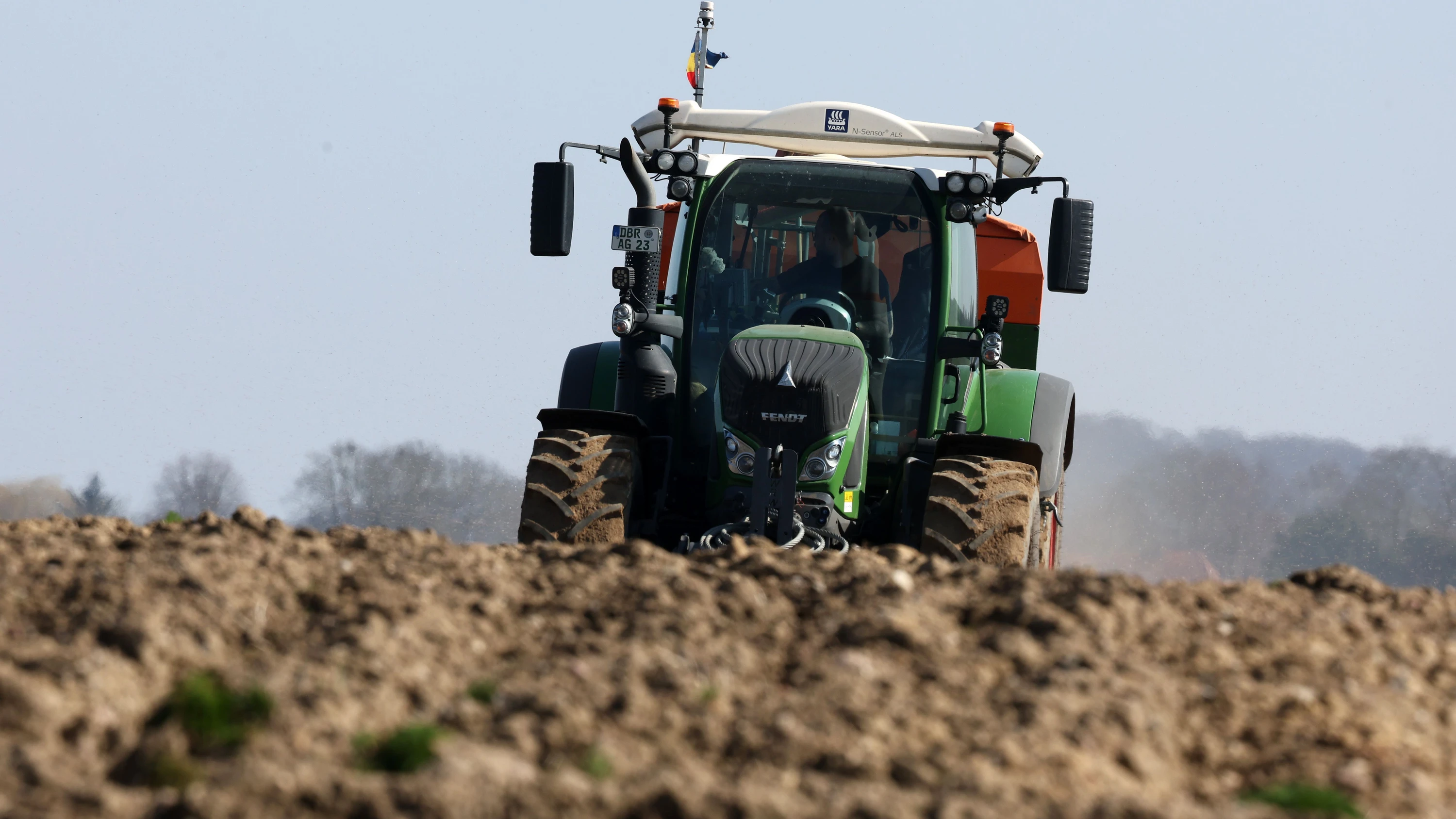
In times of crisis, food security quickly becomes a top priority. However, limiting it to national self-sufficiency overlooks the stabilizing role of trade. The concept of food security is often misunderstood, as it extends far beyond mere self-reliance. It encompasses access to sufficient, safe, and nutritious food for all, regardless of where they live or their economic status. This requires a nuanced understanding of the interconnected global food system, where trade plays a crucial role in ensuring stability and resilience.
National self-sufficiency, while important, is not the only path to food security. In many countries, especially those with limited arable land or unfavorable climates, relying solely on domestic production can be challenging. For instance, in the European Union, a significant portion of its food supply comes from imports, particularly fruits and vegetables. This does not mean that the EU is food insecure; rather, it highlights the necessity of a diversified food supply chain.
Trade also helps buffer against local disruptions. When a region faces a crop failure or a natural disaster, it can import food from other areas that are less affected. This not only ensures that food prices do not skyrocket but also prevents shortages. Moreover, trade can facilitate access to high-quality food products that may not be available domestically. For example, many African nations import fish from other continents to combat seasonal shortages and improve dietary diversity.
However, the role of trade in food security is often overlooked in debates that focus narrowly on self-sufficiency. This can lead to protectionist policies that harm both local and global food systems. Tariffs and quotas can make imports more expensive, reducing access to affordable food, particularly for vulnerable populations. They can also discourage investment in agricultural sectors, as producers may face higher costs for imported inputs.
Furthermore, trade can promote technological and knowledge exchange, which is vital for improving agricultural productivity. Countries that engage in trade often benefit from access to advanced farming techniques, better seeds, and more efficient production methods. This can lead to increased yields and better food security outcomes.
But the benefits of trade are not without challenges. Global food systems are complex and can be vulnerable to shocks, such as pandemics or geopolitical tensions. The COVID-19 pandemic, for instance, highlighted the fragility of global supply chains, as disruptions in trade led to shortages in some regions. This underscores the need for a balanced approach that combines trade with strategic national food policies.
In conclusion, food security is a multifaceted issue that requires a holistic approach. While national self-sufficiency is important, it should not be the sole focus. Trade plays a critical role in stabilizing food systems, mitigating risks, and ensuring access to diverse and affordable food sources. Policymakers must recognize this and strive for a balance that promotes both trade and resilience. Only then can we achieve true food security for all, regardless of where they live or their circumstances.








