Ladakh's First Model Border Village Enhances Security & Life
A pioneering initiative under the Vibrant Village Program is set to transform Chumur, a remote 16,700-foot settlement on the India-China border, into Ladakh's first model border village. This project aims to provide climate-resilient housing, enhance livelihoo
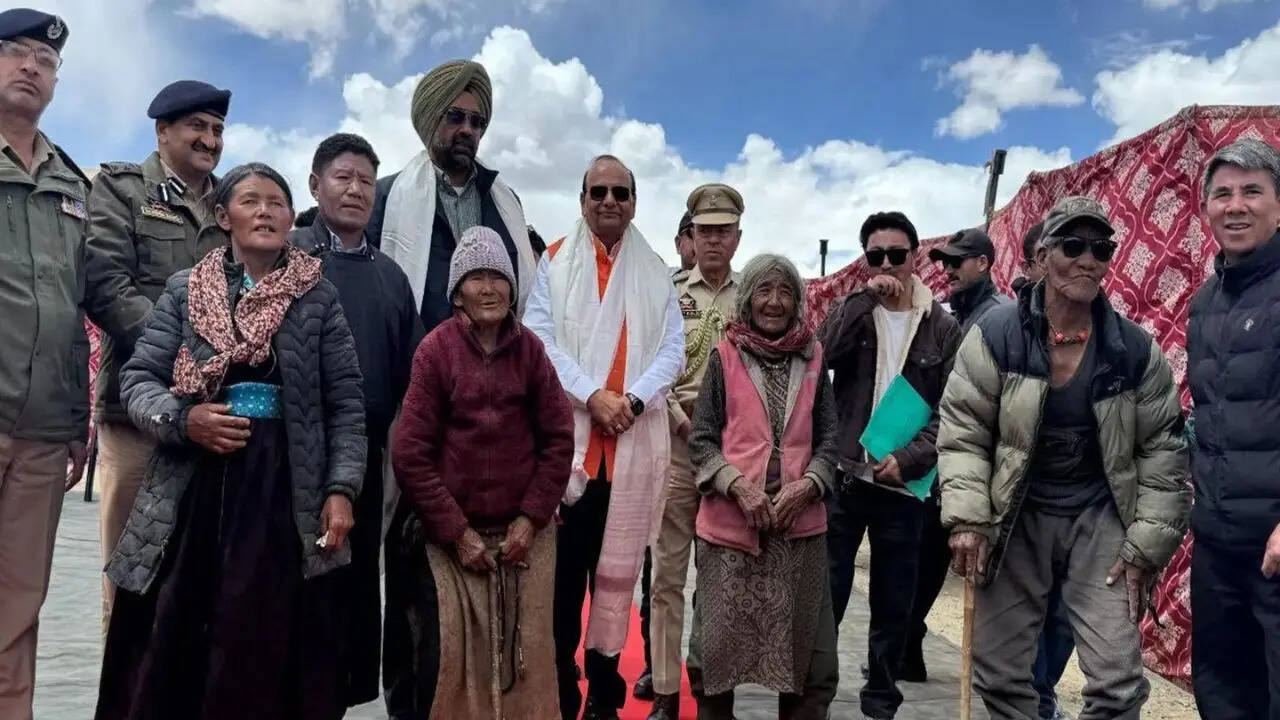
In a significant move aimed at bolstering border security and improving the quality of life for its nomadic communities, India is reportedly establishing its first model border village in Ladakh. This pioneering initiative is taking shape in Chumur, a remote and strategically vital settlement located at an astounding altitude of 16,700 feet along the India-China border. The project, undertaken as part of the broader Vibrant Village Program, is poised to bring transformative changes to the region, focusing on sustainable development and enhanced civil-defence cooperation in this challenging high-altitude terrain.
The Vibrant Village Program, a government initiative, is designed to develop border villages into self-sufficient and thriving communities. Its core objective is to improve infrastructure, provide essential services, and create livelihood opportunities to prevent out-migration from border areas and strengthen the demographic presence in these critical regions. The selection of Chumur for Ladakh's inaugural model village underscores the program's commitment to addressing the unique challenges faced by residents in remote, high-altitude border zones, particularly those with nomadic lifestyles who traditionally traverse these vast landscapes.
The strategic importance of Chumur cannot be overstated. Situated at 16,700 feet, this settlement is not only geographically challenging but also holds significant geopolitical relevance due to its proximity to the India-China border. Establishing a permanent, well-supported civilian presence in such an area is considered crucial for national security. The model village project is expected to provide stability to the region's nomadic population, encouraging them to settle permanently and contribute to the local economy and border vigilance efforts. The extreme climatic conditions at this altitude necessitate innovative solutions, which the program aims to deliver.
A cornerstone of this initiative is the provision of climate-resilient housing. Given the harsh winters, heavy snowfall, and extreme temperatures characteristic of Ladakh's high-altitude regions, traditional housing often struggles to provide adequate protection and comfort. The new climate-resilient homes are designed to withstand these severe conditions, ensuring the safety and well-being of residents throughout the year. This focus on durable and sustainable infrastructure is vital for fostering permanent settlements and improving the overall living standards of the nomadic communities, who have historically adapted to a migratory existence.
Beyond housing, the project places a strong emphasis on enhancing livelihoods, recognizing the economic vulnerabilities often faced by border communities. Two key areas of focus are goat rearing and greenhouse cultivation. Goat rearing is a traditional occupation for many nomadic groups in Ladakh, and the program aims to modernize and improve practices, potentially introducing better breeds or sustainable management techniques to boost income. Greenhouse cultivation, on the other hand, represents a significant innovation for high-altitude farming. By creating controlled environments, residents will reportedly be able to grow vegetables and other crops year-round, reducing their reliance on external supplies and creating new economic opportunities in a region where agriculture is typically limited by the short growing season and harsh climate.
Furthermore, the model village is designed to integrate essential services, which are often scarce or entirely absent in such remote locations. While specific details of these services were not elaborated upon, it can be inferred that they would encompass critical provisions such as healthcare facilities, educational opportunities, access to clean water, reliable electricity, and improved connectivity. The availability of these fundamental services is paramount for attracting and retaining residents, particularly families, thereby transforming Chumur from a transient settlement into a vibrant, self-sustaining community capable of offering a higher quality of life to its inhabitants.
The overarching goal of the Chumur project is to foster secure, permanent settlements. For nomadic communities, this transition can offer unprecedented stability, providing consistent access to education for children, better healthcare, and more predictable economic opportunities. This stability is not only beneficial for the residents themselves but also serves a broader strategic purpose. A settled, well-integrated civilian population in border areas can act as crucial partners in civil-defence cooperation, serving as the "eyes and ears" of the nation, providing vital information, and fostering a sense of shared responsibility for national security. This symbiotic relationship between civilian welfare and defence preparedness is a key driver behind the Vibrant Village Program.
The establishment of Ladakh's first model border village at Chumur is expected to have a profound impact on the nomadic communities in the region. It aims to offer them a pathway to a more settled and prosperous future, blending modern amenities and sustainable livelihood options with their rich cultural heritage. The project seeks to empower these communities, enabling them to thrive in their ancestral lands while contributing to the nation's strategic interests. It represents a careful balance between preserving traditional ways of life and introducing advancements that enhance resilience and well-being.
This pioneering initiative in Chumur could potentially serve as a blueprint for similar development projects across other challenging border regions in India. By demonstrating a successful model for integrating development, livelihood enhancement, and strategic security in high-altitude, remote areas, the Vibrant Village Program is reinforcing India's commitment to its border populations. The project underscores a holistic approach to national security, recognizing that the strength of the nation's borders is intrinsically linked to the prosperity and well-being of the communities that inhabit them. The eyes of the nation will undoubtedly be on Chumur as it embarks on this transformative journey.
In conclusion, the establishment of the model border village at Chumur is a multi-faceted initiative poised to significantly impact Ladakh's nomadic communities and India's border security. Through climate-resilient housing, enhanced livelihoods, and integrated services, it aims to create permanent, thriving settlements, strengthening civil-defence cooperation in a critical strategic location.