Kyiv region under 'massive' daytime drone and missile attack by Russia, officials say
Ukrainian President Volodymyr Zelenskyy said Kyiv was ready for a truce over the Easter holidays, but the Kremlin said it had not received any proposals.
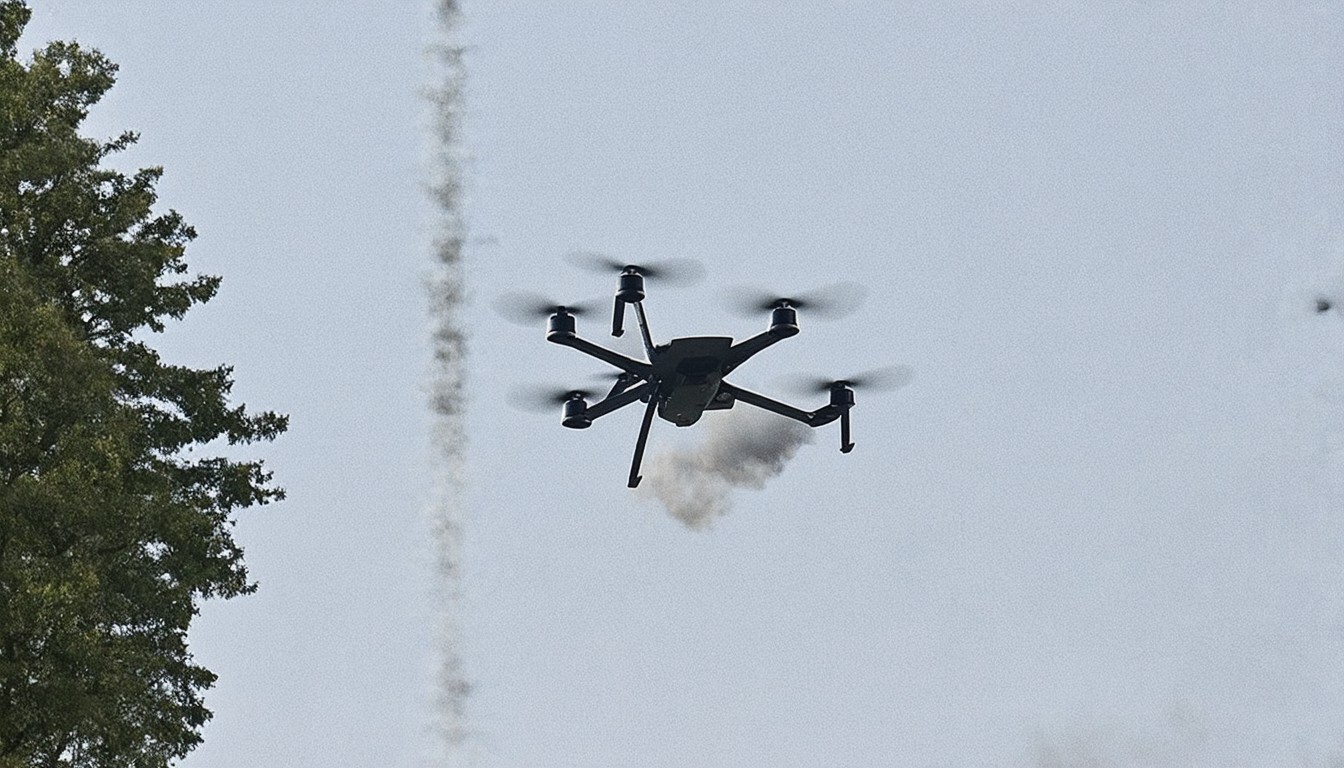
On the eve of the Easter holiday, the Kyiv region faced a massive daytime drone and missile attack by Russian forces, according to Ukrainian officials. Despite Ukrainian President Volodymyr Zelenskyy's statement that Kyiv was prepared for a truce during the holiday period, the Kremlin denied receiving any such proposals, escalating tensions between the two nations.
The attack, which occurred in broad daylight, underscored the ongoing intensity of the conflict and the resilience of Russian military efforts to disrupt Ukrainian infrastructure and civilian life. Officials reported multiple explosions and significant damage to critical facilities, though no casualties were confirmed. The use of drones and missiles in a densely populated area raised concerns about the potential for civilian casualties and the targeting of non-military objectives.
Zelenskyy's announcement of a readiness for a truce during Easter, a time of religious significance for many Ukrainians, was met with skepticism from both domestic and international observers. The Ukrainian president's office emphasized that Kyiv was open to negotiations and a temporary ceasefire to allow for the safe evacuation of civilians from besieged cities like Mariupol. However, the Kremlin's response was dismissive, stating that no formal proposals had been submitted, leaving the possibility of a truce in limbo.
This development comes as the war in Ukraine enters its second year, with both sides accusing each other of violating previous agreements and humanitarian ceasefires. The Russian military has been accused of deliberately targeting civilian infrastructure, such as hospitals and schools, while Ukrainian forces have faced criticism for their inability to fully repel the invasion. The international community, including the United States, European Union, and NATO, has imposed severe economic sanctions on Russia in response to its aggression, further straining relations between Moscow and the West.
The recent attack on the Kyiv region highlights the fragile state of the conflict and the challenges faced by both Ukrainian and Russian forces. While Zelenskyy's call for a truce reflects a desire for peace and stability, the Kremlin's refusal to engage in meaningful negotiations raises questions about its intentions and commitment to ending the hostilities. As the Easter holiday approaches, the world watches with concern, hoping for a break in the violence and a path towards a lasting peace.
In the aftermath of the attack, Ukrainian authorities have vowed to strengthen their defenses and continue resisting Russian aggression. The international community is expected to weigh in, potentially increasing pressure on both sides to pursue diplomatic solutions. Meanwhile, civilians in Kyiv and other regions continue to live under the constant threat of aerial assaults, their lives disrupted by the ongoing conflict.
The situation in Ukraine remains a focal point for global attention, with the world divided over how best to respond to the crisis. As the Easter holiday approaches, the hope for a temporary respite from the violence is tempered by the reality of the ongoing conflict and the mounting humanitarian crisis. The future of the region and its people remains uncertain, with the path to peace shrouded in uncertainty and complexity.