
King's College accused of 'dumbing down' after overlooking poor grammar to be more 'inclusive'
King's College London, part of the elite Russell Group, is overhauling assessment to 'validate diverse knowledge systems and lived experiences'.
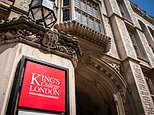
King's College London, a prestigious institution within the elite Russell Group, has recently faced criticism over its decision to overhaul its assessment practices. The changes, which aim to "validate diverse knowledge systems and lived experiences," have been met with accusations of "dumbing down" the academic standards of the college.
The move, announced by the university's leadership, is part of a broader initiative to promote inclusivity and recognize the unique perspectives of students from diverse backgrounds. By prioritizing lived experiences and diverse knowledge systems, the college hopes to create a more inclusive academic environment that values all forms of knowledge. This shift in focus is in line with the growing trend among higher education institutions to challenge traditional academic norms and embrace a more holistic approach to learning.
However, critics argue that this shift could lead to a significant drop in academic rigor. They point out that by overlooking poor grammar and focusing on the content of students' work, the college may be inadvertently lowering its standards. This concern is particularly pronounced given King's College London's reputation as a leading academic institution, where high academic excellence has long been a hallmark of its offerings.
The controversy has sparked debates among academics and educators about the role of grammar and formal writing in higher education. Some argue that while grammar is important, it should not be the sole measure of a student's intellectual capacity. They contend that the ability to communicate effectively, even with occasional errors, is more valuable in today's rapidly evolving world. Others, however, maintain that grammar and writing skills are fundamental components of academic proficiency and that sacrificing them in favor of inclusivity could have long-term negative consequences for the quality of education.
The university's administration has defended its decision, emphasizing that the overhaul is not about ignoring academic standards but rather about recognizing the value of different types of knowledge. They argue that by valuing lived experiences and diverse perspectives, the college is enriching the educational experience for all students, fostering a more inclusive and dynamic learning environment.
Despite the criticism, King's College London is not alone in its efforts to promote inclusivity in higher education. Many other institutions across the UK and beyond are adopting similar approaches, recognizing the importance of diversity and inclusion in shaping a more equitable and vibrant academic community.
The ongoing debate around this issue highlights the complex interplay between academic excellence and inclusivity. While the college's intentions are commendable, the challenge lies in striking a balance that upholds the institution's high standards while also embracing diversity and inclusion.
In response to the criticism, King's College London has pledged to continue refining its assessment practices to ensure that they effectively measure the skills and knowledge of its students. The university has also emphasized its commitment to fostering an inclusive environment where all voices are heard and valued.
As the debate continues, it remains to be seen how the college will navigate these challenges. One thing is clear, however: the push for inclusivity in higher education is a significant and necessary step toward creating a more equitable and diverse academic landscape. Whether King's College London's approach will ultimately succeed in achieving this goal while maintaining its academic reputation remains to be seen.








