
Kerala Polls 2026: From WhatsApp Wars To AI Videos, How Social Media Is Shaping Election Narrative
Kerala parties run AI driven social media war rooms to shape election narratives, target youth and gated voters, but officials warn of rising misinformation and communal content.
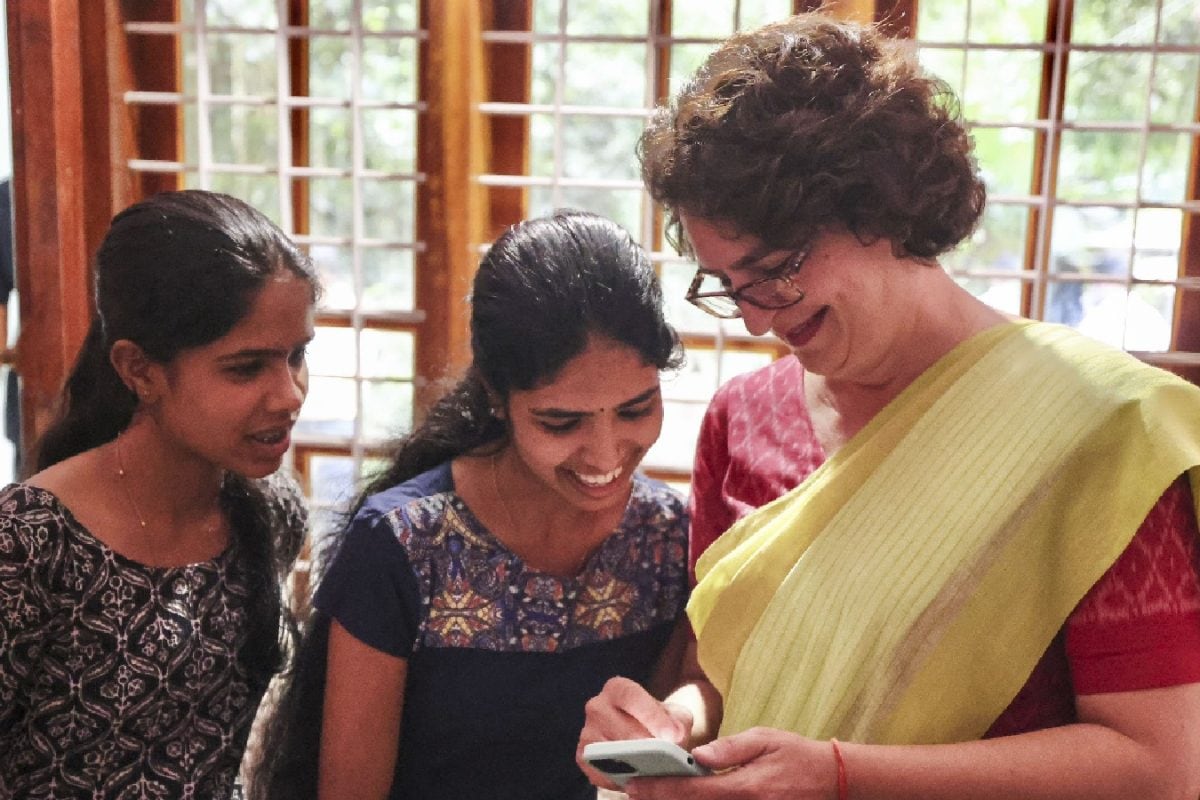
In the lead-up to the Kerala Polls 2026, social media has emerged as a pivotal battleground, with political parties leveraging advanced technologies to shape the election narrative. From AI-driven war rooms to targeted campaigns, the use of social media in Kerala has transformed the way political messaging is crafted and delivered. However, as the stakes rise, concerns about misinformation and communal content are also intensifying, prompting officials to warn of the potential risks.
The Kerala elections, traditionally known for their high voter turnout and close-fought contests, are now being influenced by a new wave of digital strategies. Parties have set up sophisticated AI-driven social media war rooms, equipped with cutting-edge analytics tools and machine learning algorithms. These war rooms serve as the nerve center for political campaigns, allowing parties to monitor real-time data, analyze voter behavior, and tailor their messaging accordingly.
One of the key advantages of AI-driven war rooms is their ability to target specific demographics with precision. Parties are focusing on engaging with younger voters and gated communities, which have become increasingly influential in Kerala's political landscape. By understanding the preferences and pain points of these groups, parties can craft narratives that resonate with their core concerns. For instance, issues such as job opportunities, infrastructure development, and social welfare are being highlighted in a way that appeals to these demographics.
In addition to targeting specific groups, AI-driven war rooms are also used to create personalized content. Machine learning algorithms analyze vast amounts of data to generate tailored messages that are more likely to engage users. This personalized approach not only increases the effectiveness of political messaging but also helps parties to build stronger connections with their constituents.
However, the rise of AI-driven social media campaigns has also brought about new challenges. Officials and experts have raised concerns about the spread of misinformation and communal content, which can exacerbate tensions and undermine the democratic process. As parties compete fiercely for votes, the line between persuasive messaging and outright manipulation can become blurred.
Misinformation can take many forms, from fabricated news stories to manipulated videos. In some cases, AI-generated content is being used to create realistic-looking videos that are designed to mislead or incite hatred. These AI-generated videos can spread rapidly on social media, reaching a wide audience before they are debunked.
Communal content, which promotes division based on religious or ethnic lines, is another significant concern. As parties vie for votes, they may resort to tactics that exploit communal sentiments to gain an edge. This can lead to the spread of hate speech and incitement, which can have devastating consequences in a state like Kerala, where communal harmony has long been a priority.
In response to these challenges, officials and civil society organizations are calling for greater transparency and accountability in the use of AI in political campaigns. There is a growing push for regulations that would require parties to disclose the use of AI-generated content and hold them accountable for any misinformation they disseminate.
Moreover, there is a call for increased public awareness and media literacy, particularly among younger voters who are more likely to encounter AI-generated content. By equipping the public with the tools to critically evaluate information, it is hoped that the impact of misinformation can be mitigated.
Despite the challenges, the role of social media in shaping the Kerala election narrative is undeniable. As parties continue to innovate and adapt their strategies, the digital landscape will undoubtedly play a crucial role in determining the outcome of the 2026 elections. However, it is essential that these advancements are used responsibly, with a focus on fostering informed discourse and maintaining the integrity of the democratic process.
In conclusion, the Kerala Polls 2026 are set to be a landmark election, not only in terms of the political outcomes but also in the way social media and AI are shaping the election narrative. While AI-driven war rooms offer unprecedented opportunities for targeted messaging and personalized content, they also pose significant challenges in terms of misinformation and communal content. As the election approaches, it will be crucial for all stakeholders to navigate these complexities with caution and responsibility, ensuring that the power of social media is harnessed in the service of democracy.









