Kerala Assembly Polls 2026: Rahul says both Modi and Pinarayi share the ‘same arrogance of power’
Congress leader frames Kerala battle as fight against “power without humility,” alleges BJP–LDF nexus, pitches UDF as shield against economic and political crises
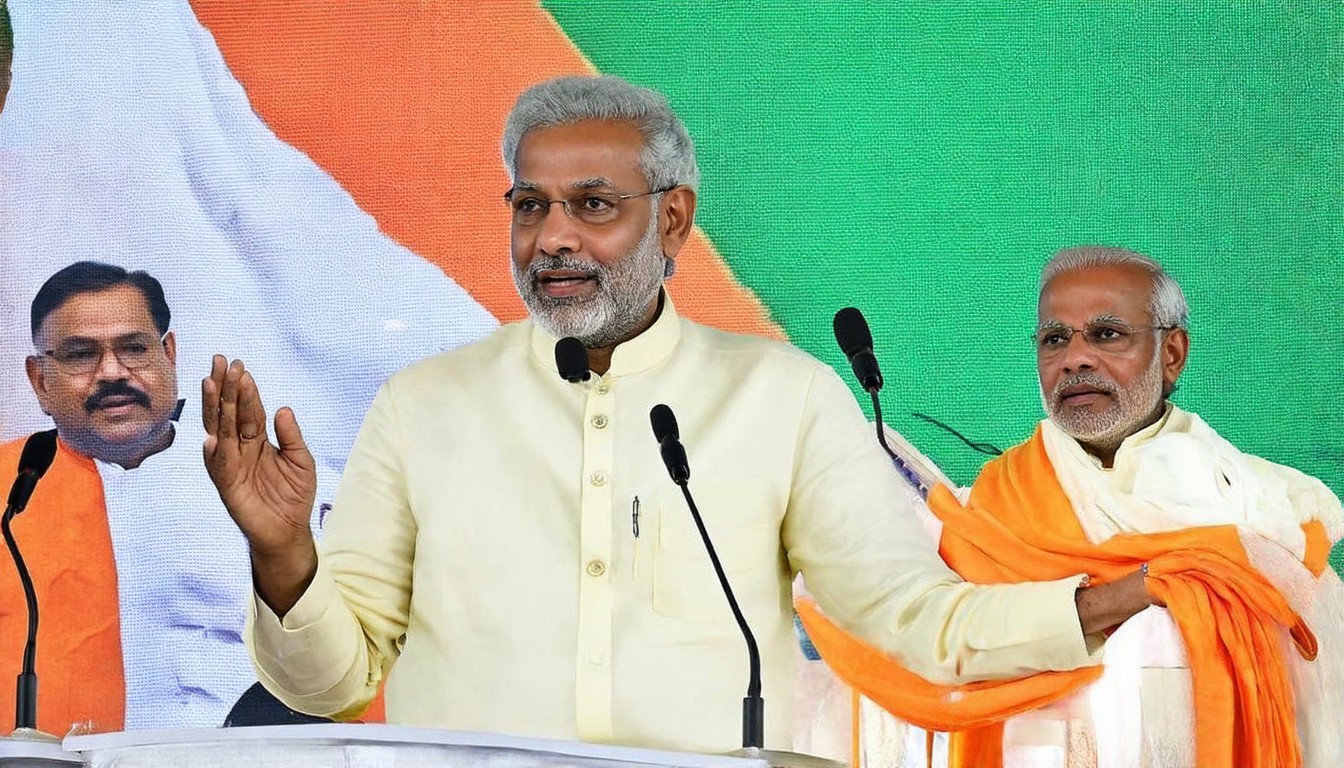
In the lead-up to the Kerala Assembly elections scheduled for 2026, Congress leader Rahul Gandhi has framed the contest as a battle against "power without humility," targeting both the incumbent Left Democratic Front (LDF) led by Pinarayi Vijayan and the Bharatiya Janata Party (BJP) led by Prime Minister Narendra Modi. In a recent speech, Gandhi accused both parties of exhibiting an "arrogance of power" that threatens the state's stability and well-being. He argued that the Kerala elections are not just about the political parties but about the future of the state and its people, emphasizing the need for a united front to counter the perceived threats.
Gandhi's comments come as tensions rise between the Congress-led United Democratic Front (UDF) and the LDF, with both sides vying for control of the state. The Congress leader alleged that there is a nexus between the BJP and the LDF, suggesting that they are working together to undermine the UDF. He warned that such an alliance would be detrimental to Kerala's interests, citing economic and political challenges that the state is currently facing. Gandhi argued that the UDF, under the leadership of Congress, is the only viable shield against these threats, capable of providing a stable and inclusive governance model.
The Congress leader's accusations of a BJP-LDF nexus have not been without controversy. Critics from the LDF have dismissed these claims as baseless and politically motivated, pointing out that the two parties have historically been adversaries. However, Gandhi's assertion has sparked discussions about the possibility of a strategic alliance between the BJP and the LDF, particularly in the context of national politics. He suggested that such an alliance could lead to a power vacuum in Kerala, with both parties prioritizing their own interests over the state's.
Gandhi's focus on "power without humility" is a direct critique of the LDF's governance, which has been in power in Kerala for several decades. He argued that the LDF's long tenure has led to complacency and a lack of responsiveness to the people's needs. He accused the LDF of being out of touch with the ground realities, particularly in the face of economic challenges such as inflation, unemployment, and the impact of the COVID-19 pandemic. Gandhi emphasized the need for a fresh approach and a government that is humble, accountable, and committed to addressing the people's concerns.
On the other hand, Gandhi's comments also target the BJP, which has been actively campaigning in Kerala in recent years. He accused the BJP of attempting to influence the state's politics through external factors, such as financial support and organizational muscle. He warned that the BJP's presence in Kerala could lead to a polarization of the state's politics, with potentially harmful consequences for its social fabric. Gandhi argued that the UDF, with its diverse and inclusive composition, is better equipped to handle such challenges and to promote a harmonious and progressive society.
The Congress leader's pitch for the UDF as the shield against economic and political crises is part of a broader strategy to reposition the party as a strong contender in Kerala. The UDF, which was in power from 2011 to 2016, has been struggling to regain its footing in the state. Gandhi's emphasis on a unified front against the perceived threats from both the LDF and the BJP is an attempt to rally support for the UDF and to present it as the only viable alternative to the existing political order.
However, the effectiveness of Gandhi's message remains to be seen. Polls and public sentiment in Kerala have shown a tight race between the UDF and the LDF, with the BJP making inroads in certain constituencies. The state's complex political landscape, characterized by a high voter turnout and a strong sense of local identity, could pose significant challenges for the Congress leader's strategy.
In conclusion, the Kerala Assembly elections of 2026 are shaping up as a crucial battle for the future of the state. Rahul Gandhi's framing of the contest as a fight against "power without humility" and his allegations of a BJP-LDF nexus have injected new dynamics into the political discourse. While the Congress leader's message resonates with some sections of the electorate, the outcome of the elections will ultimately depend on the voters' perceptions of the candidates' ability to address their specific needs and concerns. As the campaign progresses, it will be interesting to see how the various parties respond to these challenges and how they shape the political trajectory of Kerala in the years to come.