Kerala Assembly polls 2026: Idukki election heats up over land issues
Both high-profile and local leaders have highlighted land issues, title deeds, and human-animal conflict during their campaigns
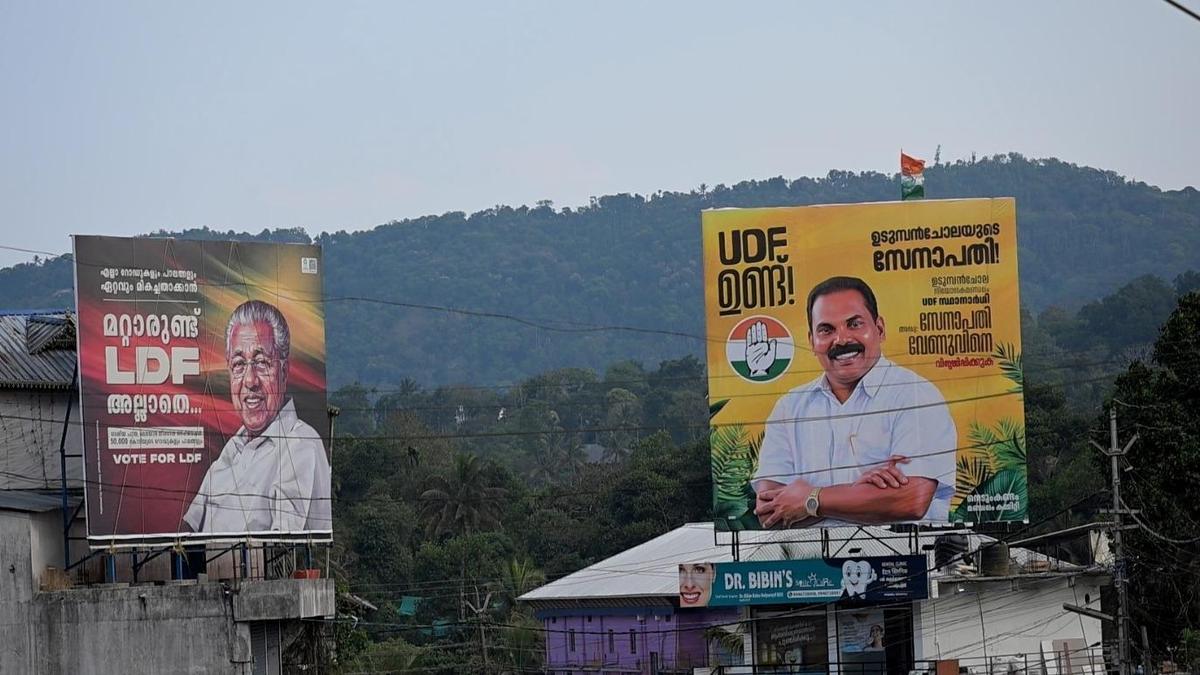
In the lead-up to the 2026 Kerala Assembly elections, the Idukki constituency has become a focal point of intense political discourse, with land issues, title deeds, and human-animal conflicts dominating the campaign narrative. As the electoral fever grips the state, both prominent political figures and local leaders have made these contentious issues central to their campaigns, reflecting the deep-rooted concerns of the constituents.
Land issues have been a persistent challenge in Kerala, particularly in the Idukki district, which is known for its lush green landscapes and diverse ecosystems. The region's unique geography, characterized by hills, forests, and rivers, has made land ownership a complex matter. Over the years, disputes over land titles have arisen due to factors such as rapid urbanization, government policies, and the influx of outsiders seeking real estate opportunities. These disputes have often led to social unrest and economic instability, prompting candidates to address them in their election manifestos.
Candidates from various political parties have pledged to resolve land title disputes and ensure the rights of indigenous communities. They have promised to introduce legislation that would streamline the process of granting land titles and provide legal recourse to those affected by illegal land grabbing. Additionally, they have emphasized the need for sustainable development plans that would balance economic growth with environmental conservation, a critical concern in a region as ecologically sensitive as Idukki.
Human-animal conflicts have also emerged as a significant issue in the Idukki constituency. The district's dense forests are home to several wildlife species, including tigers, elephants, and leopards. As human settlements encroach upon these habitats, the frequency of conflicts between humans and animals has increased. This has led to concerns over public safety, as well as the well-being of both communities and wildlife.
Candidates have responded to these concerns by advocating for stricter enforcement of wildlife protection laws and the establishment of buffer zones between human settlements and wildlife habitats. They have also proposed initiatives to educate local populations about coexistence with wildlife, such as awareness programs and the promotion of eco-tourism as an alternative source of income.
Local leaders in Idukki have taken a more grassroots approach to these issues, engaging directly with communities to understand their specific needs and challenges. They have organized town halls and public meetings to discuss land title disputes and human-animal conflicts, fostering a sense of ownership and involvement among constituents. This engagement has helped build trust between the candidates and the electorate, as well as provided valuable insights into the most pressing issues facing the region.
The Idukki election is thus not just about political power but also about addressing the socio-economic and environmental challenges that the constituents face daily. As the campaign progresses, it remains to be seen how effectively the candidates will translate their promises into action. However, the heightened focus on land issues, title deeds, and human-animal conflicts during the campaign underscores the importance of these matters to the people of Idukki and the broader Kerala electorate.
In conclusion, the 2026 Kerala Assembly elections in the Idukki constituency are set to be a battle of ideas and policies aimed at addressing critical issues that affect the region's people and environment. The candidates' ability to deliver on their promises will be a determining factor in the outcome of the elections, as the constituents look for leaders who can genuinely improve their quality of life and safeguard the natural beauty of their home.