Kawasaki Eliminator Discontinued in India Over E20 Fuel Norms
Kawasaki is set to discontinue the Eliminator cruiser in India, citing the upcoming E20 fuel regulations. The move affects the model's engine calibration and could signal broader changes for the Ninja 500.
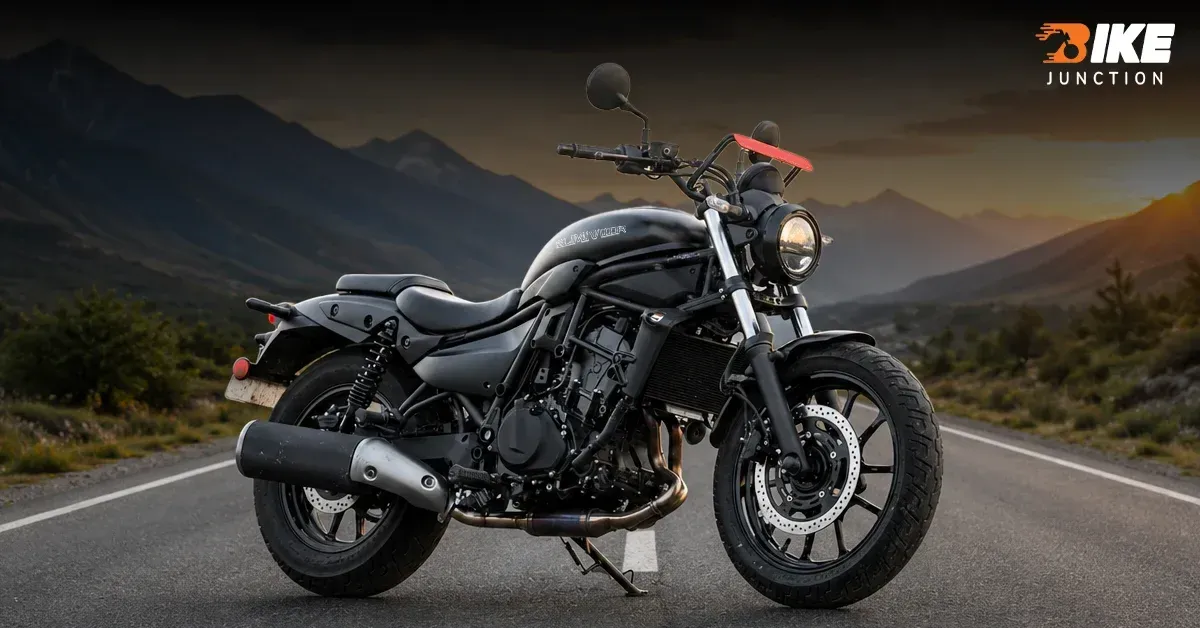
Kawasaki is preparing to pull the Eliminator cruiser from the Indian market, with the decision driven by the country's impending E20 fuel regulations. The model, which was reintroduced to the lineup as a mid-displacement cruiser, will go off sale in the coming months as the manufacturer adjusts to stricter fuel composition standards. The E20 mandate, which requires petrol to contain up to 20% ethanol, has forced several automakers to re-evaluate engine calibrations and fuel system compatibility.
For the Eliminator, the existing engine setup is not fully compliant with the higher ethanol blend, making a straightforward update unviable without significant retooling. Kawasaki has opted to discontinue the model rather than invest in a dedicated India-specific variant. The Eliminator was positioned as an accessible cruiser, powered by a 451cc parallel-twin engine that also underpins the Ninja 500. The bike's price point and styling appealed to riders looking for a lightweight alternative to larger cruisers, but sales volumes in India remained modest.
The discontinuation will leave a gap in Kawasaki's local portfolio, particularly in the entry-level cruiser segment. Industry observers note that the E20 norms are part of a broader push by the Indian government to reduce vehicular emissions and cut oil import dependence. The policy, phased in over several years, requires all new vehicles sold after a certain date to be compatible with E20 fuel. For manufacturers with limited local production scale, the cost of re-engineering engines can outweigh the benefits of retaining low-volume models.
The decision also raises questions about the Ninja 500, which shares the same engine platform. While Kawasaki has not announced any changes to that model, the Eliminator's discontinuation suggests that the company may be evaluating the long-term viability of the 451cc engine in India. If the Ninja 500 also faces compliance hurdles, it could be withdrawn or updated with a new powerplant. Kawasaki has not issued an official statement regarding the exact timeline for the Eliminator's phase-out, but dealers have been informed that remaining stock will be sold on a first-come, first-served basis.
The company is expected to focus on its higher-volume models, such as the Ninja 300 and Z900, which already meet the E20 standards or are easier to adapt. The Eliminator's departure underscores the challenges faced by niche motorcycle brands in a market that is rapidly shifting toward stricter environmental regulations. For enthusiasts, the loss of the model represents a narrowing of choice in the cruiser segment, which is dominated by Royal Enfield and Bajaj.
Kawasaki's move may also prompt other manufacturers to review their India-specific lineups for E20 compliance. As the deadline for full E20 adoption approaches, the Indian two-wheeler industry is bracing for a wave of model discontinuations and updates. The Eliminator is among the first casualties, but it is unlikely to be the last. Kawasaki's decision reflects a pragmatic approach to regulatory compliance, even if it means sacrificing a model that had a dedicated following.