Japan Mosque Demolition Threat: Planning Violations Cited
A newly constructed mosque in Kawagoe, Japan, is reportedly under threat of demolition due to significant violations of the City Planning Act and local zoning regulations. The development has sparked concerns within the Pakistani diaspora, even as the Pakistan
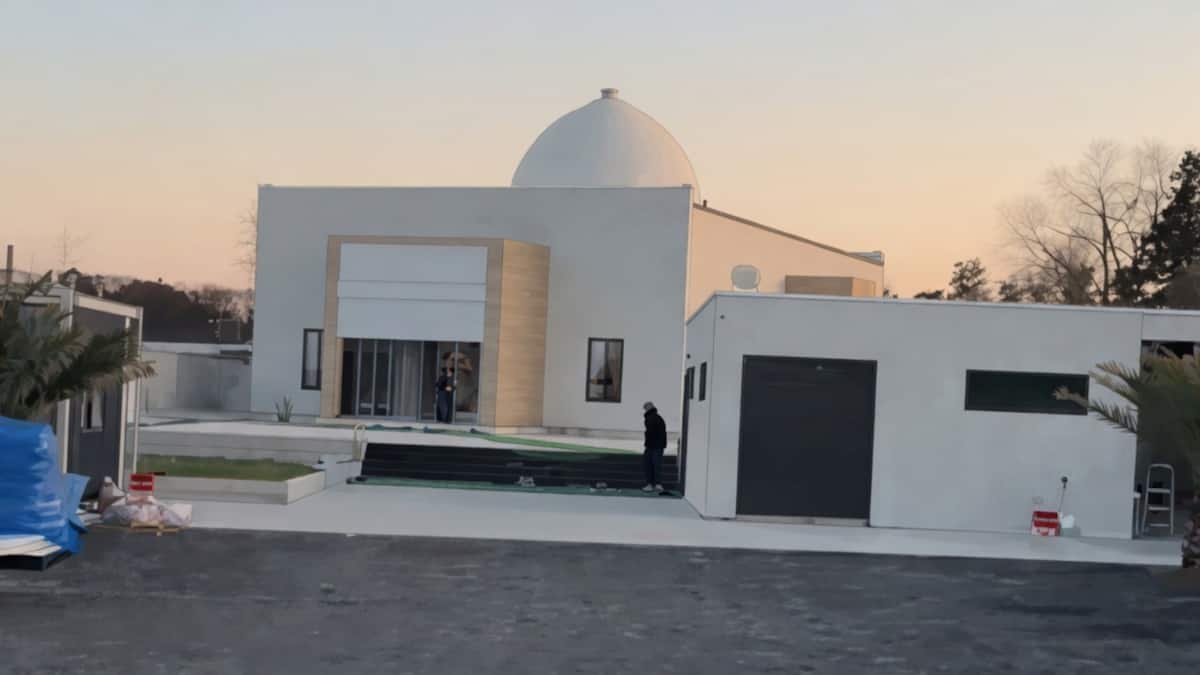
A newly constructed mosque in Kawagoe, Japan, is reportedly facing a demolition order, a development that has sent ripples of concern through the Pakistani diaspora in the region. The looming threat of demolition stems from significant violations of Japan's stringent City Planning Act and local zoning regulations, according to reports. This situation highlights the critical importance of adherence to host country laws for any community-led project, particularly those involving significant infrastructure.
The core of the controversy reportedly lies in the alleged breaches of urban planning regulations. The City Planning Act and associated zoning regulations in Japan are meticulously designed to govern land use, building height, structural integrity, and environmental impact, ensuring harmonious urban development and public safety. Reports suggest that the mosque's construction proceeded with what has been termed "secret construction" and "zero permits," indicating a potential bypass of the standard, rigorous approval processes mandated by Japanese law. Such alleged breaches are considered serious in a nation renowned for its strict adherence to legal frameworks and meticulous urban planning.
Japan's regulatory environment for construction is widely recognized for its thoroughness and precision. Every construction project, irrespective of its purpose or the community it serves, is typically required to navigate a comprehensive process involving multiple approvals, permits, and stringent inspections at various stages. These regulations are not merely bureaucratic hurdles; they are fundamental to ensuring public safety, maintaining the aesthetic and functional integrity of urban spaces, and preventing haphazard development that could negatively impact residents or the environment. In this context, any alleged deviation from these established legal pathways is likely to be met with firm regulatory action, as ignorance of the law is generally not accepted as a valid defense.
Adding a complex dimension to the unfolding situation, the Pakistan Embassy in Japan has reportedly taken a definitive stance, choosing to "completely distance itself" from the mosque project. This move by the diplomatic mission suggests a clear lack of official endorsement or involvement in the planning, funding, or execution of the construction. Such a public disassociation by an embassy typically implies an effort to avoid diplomatic complications that might arise from a private venture's legal issues, underscoring that the responsibility for adherence to local laws rests squarely with the project's proponents and the community involved. For the mosque's builders and the local Pakistani community, this means navigating the legal challenges without official state support.
The potential ramifications for the Pakistani community in Kawagoe and across Japan are considerable. A mosque serves as far more than just a place of worship; it often functions as a vital community center, a hub for cultural activities, and a powerful symbol of identity and belonging for the diaspora. The threat of demolition could therefore lead to the loss of a crucial institution, causing significant distress and a profound sense of displacement among its congregants and supporters. Furthermore, the financial implications for those who contributed to its construction, often through community donations, could be substantial, alongside potential reputational damage or increased scrutiny on other diaspora projects in the future.
This incident also casts a spotlight on the broader challenges faced by religious minorities and diaspora communities globally when establishing places of worship or cultural centers in foreign lands. Such endeavors frequently involve navigating complex local laws, securing appropriate land, and sometimes overcoming cultural or social hurdles. The universal principle remains that while religious freedom and cultural expression are fundamental, they must always be exercised within the established legal and regulatory frameworks of the host nation. The situation in Kawagoe serves as a stark reminder of the imperative for meticulous due diligence, transparent planning, and unwavering legal compliance in all such community-led initiatives.
The process of issuing a demolition order in Japan is typically not arbitrary but follows a structured legal course. It usually involves initial investigations into alleged violations, the issuance of warnings, opportunities for the responsible parties to rectify the breaches, and ultimately, if compliance is not achieved, a formal legal order for demolition. While specific details regarding the timeline or potential avenues for appeal in this particular case remain to be fully reported, it is understood that such processes are grounded in established legal principles and aim to uphold urban planning integrity and public safety. This presents a serious legal challenge for the mosque's proponents.
While the Pakistan Embassy has distanced itself, incidents of this nature, even if unofficial, can subtly underscore expectations regarding foreign nationals' adherence to host country laws. It reinforces the principle that all residents, regardless of nationality or religious affiliation, are subject to the same legal standards. The situation could also prompt other diaspora groups in Japan and beyond to review their own community projects, ensuring full compliance with local regulations to avoid similar predicaments.
In conclusion, the newly constructed mosque in Kawagoe faces an uncertain future, reportedly due to significant violations of Japan's City Planning Act. This development underscores the critical importance of legal compliance in all construction projects, particularly those with substantial community impact. As the situation unfolds, the ultimate fate of the mosque will undoubtedly hinge on legal proceedings and the strict application of Japanese law, serving as a poignant lesson on the necessity of adhering to regulatory frameworks in a globalized world.