Kashmir's Community Spirit Decline: Addressing Social Decay
A recent observation highlights a concerning decline in Kashmir's traditional culture of volunteerism, accountability, and shared responsibility, creating a vacuum now reportedly filled by rising drug abuse, widespread alienation, and social decay.
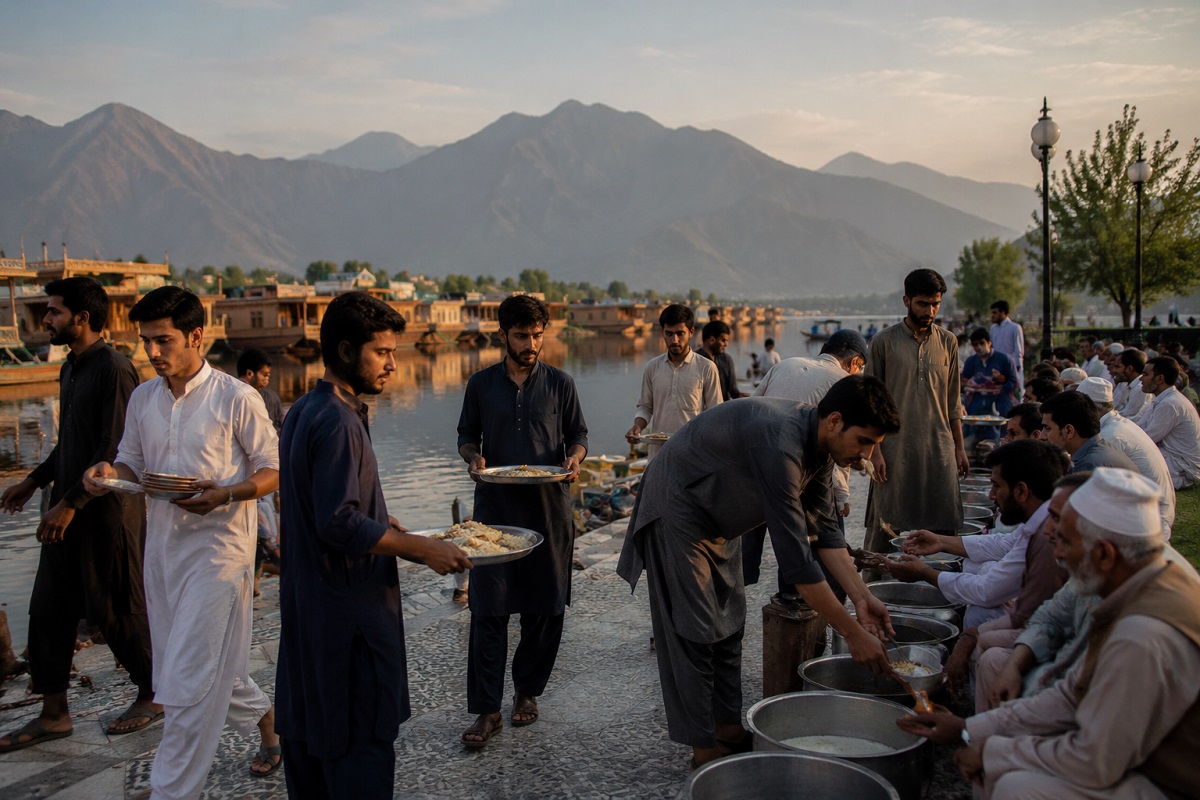
Kashmir, a region historically known for its close-knit communities and robust social structures, is reportedly witnessing a concerning erosion of its traditional community spirit. Observers suggest that a vital culture of volunteerism, accountability, and shared responsibility, once a cornerstone of Kashmiri society, is gradually fading. This perceived decline is not merely an abstract cultural shift; it is said to be creating a significant void, a vacuum that, according to reports, is increasingly being filled by a troubling surge in drug abuse, a pervasive sense of alienation among the populace, and broader indicators of social decay. This societal transformation has profound implications for the region's future resilience and collective well-being.
For generations, the social fabric of Kashmir has been characterized by strong communal bonds, where mutual support and collective action were not just ideals but everyday practices. Whether in times of celebration or adversity, communities often rallied together, demonstrating a profound sense of shared destiny. This historical legacy of solidarity, rooted in cultural and religious traditions, fostered an environment where individual well-being was intrinsically linked to the health of the collective. However, the current assessment indicates a departure from these deeply ingrained norms, a shift with far-reaching consequences for community function and individual interaction.
The reported fading of volunteerism, for instance, marks a significant departure from past practices. Traditionally, community members would often spontaneously contribute their time and effort to local initiatives, whether helping neighbours, participating in civic clean-ups, or maintaining shared spaces. This spirit of selfless contribution not only addressed practical needs but also reinforced social cohesion and trust. A decline in voluntary engagement could lead to greater reliance on external agencies, potentially weakening communities' internal capacity and self-reliance.
Similarly, the diminishing sense of accountability and shared responsibility is a critical aspect of this reported societal shift. In a healthy community, individuals often feel a collective ownership over their surroundings and a mutual obligation towards one another's welfare. This includes holding community members and local institutions accountable, and contributing to the common good. When this sense of shared responsibility wanes, it can lead to a fragmentation of civic engagement, where individuals may feel less compelled to uphold community standards or participate in collective decision-making, potentially paving the way for apathy and disengagement.
Into this reported void, a troubling rise in drug abuse has reportedly emerged as a significant concern. The absence of strong community support networks, coupled with a potential increase in individual isolation, may create fertile ground for substance abuse to take root. When traditional outlets for social interaction, collective problem-solving, and emotional support weaken, individuals, particularly the youth, might become more vulnerable to seeking solace or escape through drugs. This trend devastates individual lives and families, strains public health resources, and fuels broader social instability.
Another profound consequence highlighted is the growing sense of alienation. As community bonds loosen and the culture of shared responsibility diminishes, individuals may experience increased feelings of isolation and detachment from their social environment. This alienation can manifest in various forms, including a lack of trust in social institutions, a feeling of not belonging, or a general disinterest in civic life. Such sentiments erode social capital, hindering communities' ability to mobilize for collective action or address common problems, perpetuating detachment.
The cumulative effect of these trends is reportedly contributing to what observers describe as social decay. This term encompasses a range of negative societal outcomes, including a decline in public order, an erosion of moral values, and a general weakening of the social fabric that binds people together. When volunteerism, accountability, and shared responsibility decline, informal mechanisms regulating social behavior and collective well-being falter, potentially leading to increased anti-social behavior, decreased civic pride, and general community deterioration.
The imperative for Kashmir to reclaim its community spirit thus becomes clear. A vibrant community spirit is not merely a nostalgic ideal; it is a fundamental prerequisite for resilience, progress, and the overall well-being of its people. It empowers communities to address local challenges from within, fosters a sense of belonging, and provides a crucial buffer against external pressures and internal vulnerabilities. Re-establishing these foundational values could be instrumental in countering negative forces reportedly taking hold.
Rebuilding this spirit would likely require a multi-faceted approach, focusing on revitalizing local institutions, encouraging grassroots initiatives, and fostering platforms for dialogue and collective action. This could involve promoting intergenerational engagement, supporting local self-help groups, and creating opportunities for shared experiences that reinforce bonds of solidarity. The emphasis would be on empowering individuals to reclaim ownership of their communities, fostering renewed civic duty and mutual support.
Ultimately, the reported decline in Kashmir's community spirit presents a critical challenge that demands urgent attention. The void created by the fading culture of volunteerism, accountability, and shared responsibility has demonstrably opened the door for detrimental social issues. A concerted effort to revive and strengthen these core community values is not merely about preserving tradition; it is about safeguarding Kashmir's future, ensuring a resilient, cohesive, healthy society for generations.