Karnataka frames guidelines for multi-pair kidney swap transplants
Karnataka is the first State to frame such guidelines in the country, say officials
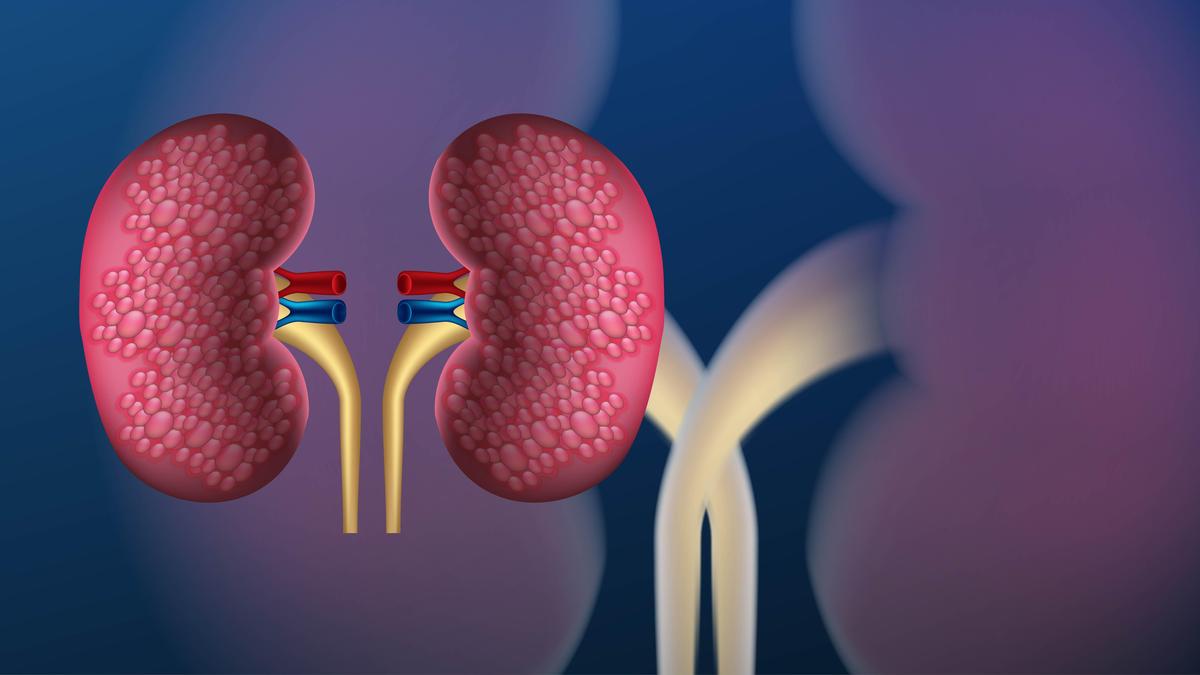
Karnataka, a state in southern India, has recently made history by becoming the first region in the country to frame comprehensive guidelines for multi-pair kidney swap transplants. This significant development is expected to revolutionize the organ transplant sector in India, where the demand for organs far outstrips the supply.
The guidelines, developed by a team of medical experts and government officials, aim to streamline the process of organ swaps, ensuring transparency, safety, and ethical considerations. Multi-pair kidney swaps involve multiple donor-recipient pairs exchanging kidneys simultaneously, which can significantly reduce the waiting time for patients in need of a transplant.
The decision to frame these guidelines was driven by the urgent need to address the organ shortage crisis in the state. Karnataka, like many other parts of India, has a high number of patients on the waiting list for kidney transplants, with some waiting for years for a suitable organ. By facilitating multi-pair swaps, the state hopes to alleviate this burden and save more lives.
The guidelines outline a detailed process for identifying suitable donor-recipient pairs, ensuring that all participants are medically fit and have undergone thorough screening. They also emphasize the importance of informed consent, where donors and recipients are fully aware of the risks and benefits involved. Additionally, the guidelines include strict regulations to prevent any form of commercialization or exploitation of the organ transplant process.
One of the key challenges in implementing multi-pair kidney swaps is ensuring the safety and well-being of all participants. The guidelines address this by mandating that all surgeries be conducted in accredited hospitals with experienced surgical teams. Furthermore, they require post-operative monitoring to detect and manage any potential complications promptly.
The state government has also allocated significant resources for promoting awareness and education about organ donation and transplantation. This includes collaborating with healthcare providers, NGOs, and community groups to spread information about the benefits of organ donation and the process of multi-pair kidney swaps.
The framing of these guidelines is a testament to Karnataka's commitment to leading the way in healthcare innovation in India. It is hoped that other states will follow suit, recognizing the importance of multi-pair kidney swaps in addressing the organ shortage crisis.
In conclusion, Karnataka's pioneering effort to frame guidelines for multi-pair kidney swaps marks a turning point in India's organ transplant landscape. By ensuring transparency, safety, and ethical practices, the state is taking a bold step towards saving lives and improving the lives of thousands of patients in need of a transplant. This development not only highlights the potential of organ sharing but also underscores the need for a national strategy to combat the organ shortage crisis in India.